
I remember the moment vividly—the sharp jolt of pain shooting down my back after my first chiropractic session. I thought, “Is this normal?” and nervously wondered if I was doing something wrong. That lightbulb moment hit me hard: recovery isn’t just about the adjustment itself, but about what I do afterward to support that process.
Why Choosing the Right Exercises Makes All the Difference
Since experiencing my own setbacks, I’ve realized that the exercises I did in the days following my spinal adjustment played a crucial role in my healing. Not all exercises are created equal—some can speed up recovery, while others might inadvertently prolong discomfort. Today, I want to share the strategies I’ve learned and used successfully, so you won’t have to navigate this confusing maze alone.
Is This Exercise Routine Actually Worth the Hype?
Early on, I made the mistake of overdoing it—thinking that intense stretching and aggressive core work would hasten my recovery. Spoiler: that only made things worse. Experts warn that improper movement post-adjustment can undo the benefits of your visit. Research from reputable sources indicates that targeted, gentle exercises support spinal health effectively (source: Motion Therapy Pro), but the key lies in choosing the right kind.
So, what exactly should you focus on? It’s about aligning your movement with the body’s natural healing process and avoiding the pitfalls of overexertion or poor posture. With that in mind, let’s dive into practical exercises that have transformed my recovery journey—and can do the same for you. Ready to take control of your healing? Keep reading!
Start Small and Focused
Immediately after your chiropractic session, it’s crucial to engage in gentle movements that promote healing without overstressing your spine. My first attempt involved trying to do vigorous stretches, thinking it would expedite my recovery. Instead, I experienced more discomfort. Instead, start with light, controlled movements like pelvic tilts or gentle knee-to-chest stretches. These mimic the body’s natural healing rhythm and prevent re-injury.
Harness the Power of Micro-Movements
Implement Gentle Spinal Twists
In one messy morning, I performed slow, seated spinal twists using a chair. The aim was to relieve tension around my lower back. The key here is deliberate, slow motion—think of it as waking up your muscles, not forcing them. This stimulates blood flow, supplies nutrients to the healing tissues, and avoids the risk of muscle guarding or spasms. Incorporate a few repetitions daily, focusing on control rather than range.
Use Breath to Support Movement
During these exercises, synchronize your breath with your movements—inhale as you prepare, exhale as you move into the stretch. This technique helps relax the muscles, reducing unnecessary tension. I found that combining deep diaphragmatic breathing with gentle flexion or extension significantly eased post-adjustment soreness and encouraged proper alignment.
Target Muscles for Better Stability
Identifying the right muscles to activate makes all the difference. I used a tennis ball against my lower back to release knots and stimulate deep stabilization muscles. Rolling gently over tender spots—much like giving your back a massage—can improve mobility and reduce pain. It’s essential to avoid overdoing it; just a few minutes can create noticeable relief and prepare your muscles for controlled strengthening movements.
Incorporate Functional Movements Carefully
After a couple of days, I started integrating basic functional movements like cat-cow stretches or bird-dogs. These mimic everyday activities and improve coordination between muscles and joints. The trick is to move slowly and deliberately, focusing on maintaining proper posture. This approach fosters long-term stability and prevents future injuries. Remember, even in these early stages, avoid high-impact or strenuous exercises until your provider clears you.
Listen to Your Body and Adjust Accordingly
Throughout this process, I learned to pay close attention to how my body responded. If a movement caused sharp pain or increased discomfort, I paused and reassessed. Sometimes, a minor tweak—such as reducing the range or slowing down the motion—made all the difference. Incorporate recovery strategies like applying ice or heat and stay hydrated. For more insights on managing back pain effectively, check out these tips.
Consistency Is Key
Building a routine of these gentle exercises keeps your spinal health on track. I found that doing a 10-minute session twice daily yielded the best results, gradually increasing as my comfort improved. This consistent engagement helped reinforce proper movement patterns, reduce stiffness, and support your body’s natural healing process. Remember, progress may be slow at first, but persistence ensures long-lasting relief.
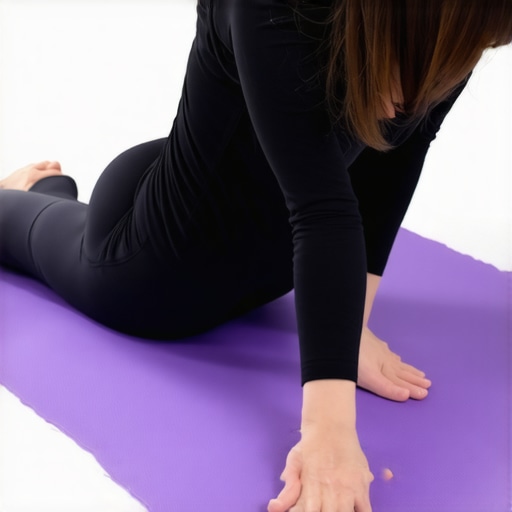 Despite the widespread belief that chiropractic adjustments and sports rehab are straightforward fixes, the truth is far more nuanced. Many practitioners and patients alike fall prey to common myths that can hinder true recovery. For example, the idea that a single adjustment will resolve persistent back pain oversimplifies the complex interplay of muscles, joints, and nervous system signals involved in chronic discomfort or injury. In reality, long-term relief requires a comprehensive approach, integrating targeted exercises, lifestyle modifications, and understanding the body’s interconnected systems. One pervasive myth is that adjustments alone are enough to restore optimal function, but studies show that without proper strengthening and movement education, issues often recur (source: The Science Behind Chiropractic Adjustments).
Keep It Working with the Right Tools
Maintaining the benefits of chiropractic adjustments and sports rehab requires more than just good intentions; it demands specific, effective tools that support your ongoing recovery. From at-home equipment to digital resources, having the right arsenal can make all the difference in your long-term back health.
Personalized Foam Rolling Platforms
I swear by high-density foam rollers tailored to target my lumbar and thoracic regions. These aren’t generic rollers; I prefer models with varied surface textures that better simulate my muscle knots and trigger points. Consistent use helps prevent stiffness and addresses tightness that may reemerge after therapies. Remember, the goal is gentle, targeted massage—not aggressive self-manipulation. For detailed techniques, you might explore guides on effective foam rolling practices or even consider a professional assessment to customize your routine.
Smart Posture Devices
To sustain proper alignment throughout the day, I rely on wearable posture trainers like the Upright Go. These devices provide real-time feedback whenever I slouch, training my nervous system to maintain better habits. Over time, this persistent reminder helps engrain healthier postural patterns, reducing strain that could negate therapeutic gains. As technology evolves, expect smarter, app-integrated gadgets that can analyze your posture trends and suggest personalized corrections.
Physical Therapy Apps and Virtual Coaching
I also incorporate mobile apps designed for guided exercises and progress tracking. Programs like **[MotionTherapyPro](https://motiontherapypro.com/)** offer comprehensive routines rooted in current research—perfect for maintaining muscle balance and spinal stability. Additionally, virtual coaching sessions from licensed therapists can provide accountability and adjust your protocol based on your progress, ensuring long-term results. These digital tools bridge the gap between clinical visits and everyday reinforcement, making consistency manageable even with a busy schedule.
How Do I Sustain My Progress Over the Years?
The future of back health lies in proactive maintenance. As we learn more, wearable tech and advanced apps will likely become even more integrated with personalized rehab programs. Predictive algorithms may even alert you when your posture deviates from optimal ranges, allowing preemptive corrections that prevent setbacks.
Prioritizing regular check-ins with your healthcare provider and sticking to tailored exercises remain invaluable.
One tip I urge you to try immediately is setting up a daily 5-minute spinal stability routine using proprioceptive tools like balance discs or wobble cushions. These devices improve muscle engagement and joint awareness, forming the foundation for resilient spinal health. For in-depth strategies, check out this resource.
The Hardest Lesson I Learned About Back Recovery
One of the most eye-opening insights I gained was realizing that immediate relief isn’t the finish line. Consistent, targeted exercises are crucial, but I also learned that patience and listening to my body outweigh rushing back into strenuous routines. The body’s healing process is slow and nuanced, and respecting that made all the difference in my recovery journey.
My Favorite Tools for Sustained Spine Wellness
Over time, I found that incorporating specific tools like high-quality foam rollers designed for deep tissue release and wearable posture trainers like the Upright Go transformed my approach. These tools serve as constant reminders and support mechanisms that reinforce good habits and help me maintain spinal alignment day-to-day. For more insights on effective rehab tools, explore this engaging resource.
Ignite Your Journey—No More Hesitation
Addressing back pain and embracing long-term health is within your reach. By applying gentle, mindful exercises and leveraging innovative tools, you can create a resilient spine that enables you to excel. Remember, progress may be gradual, but each small step strengthens your foundation for a pain-free future. Start today and watch your confidence grow!
What’s the first step you plan to take toward better back health? Drop your thoughts below, and let’s support each other in this journey.
,