
Last week, I spent hours behind the wheel during a weekend trip. By the time I reached my destination, a dull ache was pounding behind my eyes, and my neck felt stiff, almost like a tight band was squeezing around it. That lightbulb moment hit me hard—I’ve been living with tension headaches caused by driving for too long without realizing that the key might be in my neck position and movement. It’s a frustrating experience, isn’t it? One minute, you’re just trying to get from point A to B, and the next, you’re battling a relentless headache that zaps your energy.
Why Your Driving Could Be Triggering Those Headaches and How to Fix It
If you’re like me, you might have accepted these headaches as a normal part of long drives. But here’s the truth: many of these tension headaches are linked to your cervical spine—the neck area—that gets out of alignment or becomes overly tense after hours of sitting in the same position. The good news? You don’t have to suffer in silence or rely solely on medication. Small, targeted adjustments to your neck can lead to lasting relief. I’ve personally found that a simple cervical reset, incorporating specific movements and postural awareness, transformed my driving experience. You can learn how to do this yourself, and I’ll show you exactly how.
Could Restoring Neck Balance Be the Game Changer?
Many people, myself included, overlooked the importance of cervical health until I made a mistake early on—ignoring my posture at the wheel and thinking it was just ‘part of aging.’ That was a costly misconception. Experts agree that improper neck alignment can cause or exacerbate tension headaches (discover more about how chiropractic adjustments can help here). If you’ve experienced recurring headaches after long drives, you might want to consider that your neck’s position and movement could be the root cause, not just stress or fatigue. Understanding this has been a pivotal step in my journey toward pain-free driving.
So, are you ready to learn the step-by-step process to reset your cervical spine and reclaim your comfort behind the wheel? Let’s dive in.
Targeted Neck Mobilizations for Immediate Relief
First, sit upright in your car seat, ensuring your back is supported. Gently tilt your head forward, bringing your chin toward your chest, then slowly roll your head from side to side like a windshield wiper to loosen tight muscles. During my last long trip, I used this technique to relieve tension halfway through—initially awkward, but it provided quick relief. Repeat these gentle movements for 30 seconds each side.
Use Self-Myofascial Release to Loosen Neck Tissues
Take a small, firm ball like a lacrosse ball and place it against your upper shoulders or the base of your skull while seated. Gently apply pressure and roll over the area to release adhesions and improve tissue flexibility. I tried this during a break on a recent drive, and it noticeably reduced my headache intensity. Focus on tender spots, spending about 20 seconds on each. This technique is like loosening a tight rubber band, restoring mobility and cutting down pain.
Finish with Posture Re-Alignment Exercises
Stand outdoors or in your driveway after parking. Perform chin tucks: draw your chin back as if making a double chin, holding for 5 seconds. Imagine pulling a string attached to the top of your head upward to elongate your neck. This counters the forward head posture often adopted while driving. I included this in my routine, and over a week, I noticed less stiffness and fewer headaches. Incorporate these gentle, deliberate movements to correct alignment and promote long-term relief.
Incorporate Breathing and Gentle Stretches
Finally, practice deep diaphragmatic breathing to reduce tension. Inhale slowly through your nose, expand your belly, then exhale through your mouth. Add gentle neck stretches, tilting your ear toward your shoulder without shrugging, holding each side for 10 seconds. During a recent trip, this combo helped me wind down tense muscles, even during traffic jams. Making these a habit enhances circulation and reduces stress-related tension headaches.
Consistently applying these techniques, especially during long drives, can significantly decrease neck tension and headache frequency. For more insights on spinal health, explore strategies here here.
 Many people assume that all chiropractic adjustments are the same, leading to misconceptions about their effectiveness and purpose. In reality, the nuances of technique, timing, and individual anatomy are crucial for successful outcomes. For instance, some believe that a quick adjustment will permanently resolve chronic back pain, but without addressing underlying habits and tissue health, relief may be short-lived. This oversimplification can be a trap that prevents patients from seeking comprehensive care or understanding the importance of personalized treatment plans.
Another common myth is that adjustments are only for acute injuries. However, expert strategies in {provide link: https://motiontherapypro.com/boost-your-sports-rehab-journey-with-proven-chiropractic-strategies} show that ongoing chiropractic care can play a vital role in maintaining spinal health, preventing future injuries, and optimizing athletic performance. Recognizing this broader scope is essential for long-term wellness.
One often-overlooked aspect is the subtlety involved in the practitioner’s technique. For example, the difference between a high-velocity, low-amplitude (HVLA) thrust and gentle mobilizations can significantly influence outcomes and patient comfort. Advanced practitioners tailor these approaches to each patient’s unique biomechanics, which is why choosing a provider familiar with {provide link: https://motiontherapypro.com/revolutionize-your-rehab-chiropractic-techniques-for-faster-recovery} can make all the difference.
Additionally, many assume that chiropractic adjustments are solely about ‘popping’ joints back into place. While this is a component, the true benefits often come from paired strategies such as tissue release, corrective exercises, and lifestyle modifications. Integrating these methods leads to more sustainable results, reducing the risk of recurrence.
Beware of the trap of seeking quick fixes. A misstep many make is relying on a single adjustment for long-term pain relief, which overlooks the importance of comprehensive care plans involving movement analysis, posture correction, and ergonomic advice. The expert approach emphasizes a holistic view, as detailed in {provide link: https://motiontherapypro.com/strategic-chiropractic-solutions-for-long-term-back-health}.
Have you ever fallen into this trap? Let me know in the comments.
By understanding these nuances and avoiding common misconceptions, you can approach chiropractic care with more confidence and clarity. Remember, effective treatment is about personalized strategies, ongoing support, and addressing root causes, not just temporary pain relief. For more insights, explore how {provide link: https://motiontherapypro.com/unlocking-back-pain-relief-expert-chiropractic-adjustments-that-work} can help you achieve lasting back health.
Keeping It Working: My Go-To Equipment and Strategies
Maintaining spinal health, especially after chiropractic adjustments or during ongoing rehab, requires the right tools and routines. Over the years, I’ve refined my personal toolkit to include specific equipment and software that enhance recovery, track progress, and prevent setbacks. These tools aren’t just accessories; they’re integral to sustaining long-term results and optimizing your body’s performance. In this article, I’ll share the exact equipment I personally use, why I trust them, and how they help me stay on top of my health game.
TheraBand Resistance Bands for Continuous Mobility
One of my favorite tools is the TheraBand resistance band system. I rely on them daily for targeted mobility and strengthening exercises that complement adjustments. These bands allow for precise resistance during rehab routines, promoting tissue resilience and stability. Unlike bulky weights, they are portable and versatile, making it easy to perform effective routines anywhere—be it at home, in the gym, or even during travel. Their variable tension ensures I can modify intensity, which is crucial for progressing safely over time.
Foam Rollers with Textured Surface for Myofascial Release
I swear by my textured foam roller, which I’ve found indispensable for self-myofascial release. Regular use helps prevent the re-tightening of muscles that can occur after chiropractic sessions, especially in the lumbar and cervical areas. The textured surface provides better grip and stimulates blood flow, accelerating tissue recovery. I’ve learned that consistency with foam rolling not only maintains my adjustments but also enhances flexibility and reduces the risk of injury, aligning with expert advice on supplementing chiropractic care with soft tissue work.
Smart Wearables for Monitoring Posture and Movement
To keep tabs on my posture, I utilize a combination of wearable tech like the Upright Go. It provides real-time feedback on neck position, reminding me to correct poor habits that could undermine my progress. Seeing data over time motivates me to stay mindful and encourages habit formation. I believe that integrating such devices will become standard practice as technology advances, providing personalized feedback that helps prevent issues before they escalate, especially considering the trend towards smarter health monitoring.
Computer Software for Exercise Planning and Tracking
Out of all tools, the software I use to plan, log, and analyze my rehab workouts stands out. Platforms like MyFitnessPal or more specialized apps allow me to track session details, monitor flexibility improvements, and adjust routines based on progress. This data-driven approach makes my rehab more effective and ensures I stay aligned with my long-term goals. I recommend integrating these tools into your plan, especially since consistent tracking is key to sustainable results, as highlighted in strategic chiropractic solutions.
Looking Ahead: The Future of Maintenance Tools
As technology continues to evolve, I predict wearable devices will become even more integrated with AI to provide personalized rehab programs automatically. Virtual reality might offer immersive exercises that improve engagement and adherence. The landscape is shifting towards smarter, more adaptive tools that can preempt issues and facilitate proactive maintenance. Embracing these innovations now lays the groundwork for more efficient, long-lasting improvements in spinal health.
How do I maintain progress over time?
Consistency with these tools, combined with informed adjustments and periodic professional check-ins, is essential. Regularly updating your routines based on tracked data ensures you adapt to your body’s changing needs. For example, I set weekly targets for mobility and strength exercises, revisiting my progress with a professional to fine-tune my regimen. This proactive approach aligns with expert strategies for sustained spinal health and injury prevention. For comprehensive insights on customizing your maintenance plan, explore this guide.
Remember, the right tools and a disciplined routine are your best allies in keeping your spine healthy and preventing back pain. Advanced techniques like integrating biofeedback devices have shown to dramatically improve outcomes. I highly recommend trying out a wearable posture trainer for at least a month—you’ll be surprised how quickly it can reset your habits and solidify progress.
< >
>
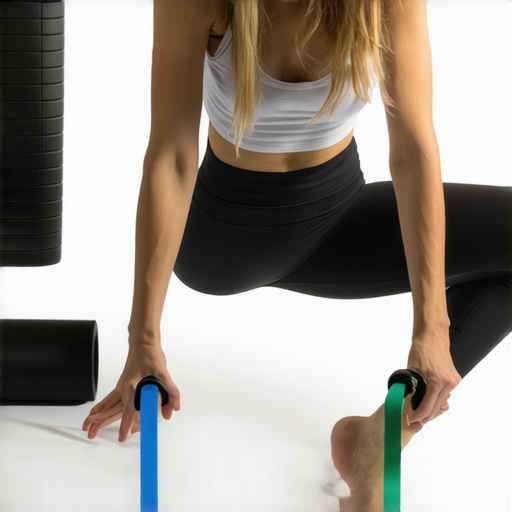
Image Prompt: A person using a resistance band, foam roller, and wearable posture device, demonstrating tools for spinal health maintenance. Alt: Equipment for maintaining spinal health with resistance bands, foam roller, and posture wearable. Title: Tools for Sustained Spinal Wellness.
,
What I Didn’t Expect About Neck Adjustments and Long-Term Relief
- Consistency Wins Over Quick Fixes: I once believed that a single chiropractic session could solve my neck tension, but experience taught me that regular care and daily habits are crucial for lasting benefits.
- Personalized Approach Matters: No two necks are the same. Tailoring exercises and adjustments to my specific needs made all the difference, emphasizing the importance of consulting experienced practitioners.
- Mindful Posture is a Game Changer: Small adjustments in how I sit and drive significantly reduced my headaches, reminding me that awareness is key in preventing recurring tension.
- Self-Help Techniques Accelerate Recovery: Incorporating gentle mobilizations and stretches between visits empowered me to take control of my healing process, boosting confidence and results.
- Holistic Care Complements Adjustments: Combining tissue release, posture correction, and exercise created a synergy that enhanced my overall neck health and prevented future issues.
Resources That Elevated My Understanding of Spinal Wellness
- Proven chiropractic strategies—_This guided my approach to comprehensive recovery, blending adjustments with functional exercises._
- Back pain relief insights—_Invaluable for understanding how to maintain spinal health beyond the clinic._
- Innovative rehab techniques—_Inspired me to incorporate novel mobilizations and soft tissue work into my routine._
- Healthy lifestyle tips—_Reminded me that daily habits outside the clinic are vital for long-term spinal wellness._
Your Next Step Toward Comfort and Confidence
If my journey has taught me anything, it’s that managing neck tension and headaches is about more than just occasional adjustments—it’s about embracing a comprehensive, personalized routine. The powerful combination of professional care, self-mobilization, and mindful habits can transform your driving experience and overall wellbeing. Don’t wait for discomfort to take over; start integrating these strategies today and rediscover how good it feels to move freely and pain-free. Remember, real progress begins with taking that first, informed step toward your health. Have you ever noticed how small changes in posture or routine can make a big difference? Share your experiences below—I’d love to hear your story.