
I remember the first time I sprained my ankle during a Saturday hike; it was swollen, throbbing, and I naively thought a simple ice pack would do the trick. But instead of relief, I found myself suffering longer than I should have, wondering if I had missed some crucial step. It was a lightbulb moment—what I thought was helpful was actually hindering my recovery. If you’ve ever experienced a similar frustration, you’re not alone. Many folks mistake how they apply ice to injuries, unknowingly prolonging pain or even causing more damage.
The Power of Proper Ice Therapy and Why It Matters
Effective ice application isn’t just about slapping a cold pack onto an injury; it’s about understanding the right method, timing, and frequency to optimize healing. When applied correctly, ice can reduce inflammation, numb pain, and accelerate tissue repair. But do it wrong, and you risk impairing necessary healing processes or causing frostbite-like injuries.
Many people struggle with knowing the best way to ice injuries, leading to inconsistent results. As someone who initially ignored proper ice therapy and paid the price, I’ve learned that mastering this simple step makes a huge difference. If you want to get back on your feet faster—whether from a sports injury, a fall, or even minor strains—knowing the right technique is essential.
You might be skeptical. Is there really a correct way, or is icing just icing? Trust me, the details matter. Early on, I made the mistake of leaving ice on too long or wrapping it directly against my skin, which worsened irritation instead of helping. Those mistakes taught me that there’s a science behind proper ice therapy, and it’s worth understanding if you’re serious about recovery.
Curious how to ice injuries properly and avoid common pitfalls? Let’s look into what the latest expert recommendations suggest, so you can heal faster and move on with your life.
Proper Ice Application Steps
Start by getting a flexible, leak-proof ice pack or a bag of frozen peas—think of it as a portable block of cool relief. Wrap it in a thin cloth—never apply ice directly to the skin, as I learned the hard way during my first aid attempt—this prevents frostbite and skin irritation. Position the wrapped ice on the injured area, making sure it’s snug but not too tight, akin to gently holding a fragile glass to avoid breaking it.
Timing is Everything
Apply the ice for about 15-20 minutes at a stretch. I once left an ice pack on for over an hour, thinking more would speed up healing—this backfired, causing unnecessary numbness and skin redness. Set a timer to prevent overcooling, and remember to wait at least 40 minutes before reapplying—this allows the tissue to recover from initial cold exposure.
Consistency Creates Results
Consistency matters more than intensity. I kept a small calendar to remind me to ice my ankle every 2-3 hours during the first 48 hours post-injury. Routine application reduces inflammation and swelling, acting like a reset button for your body’s healing process. Skipping sessions or irregular icing can prolong discomfort, so stick with your schedule as you would with a therapy appointment.
Avoiding Common Mistakes
One mistake to dodge is wrapping the ice pack too tightly—this can impede blood flow, aggravating swelling instead of reducing it. Think of it like constricting a garden hose; too tight, and water can’t flow freely. Also, avoid direct contact with skin; always use a cloth barrier. Leaving ice on too long can cause tissue damage; I learned this from a painfully cold experience that left my skin red and tender.
Enhance Your Recovery Routine
Complement icing with gentle compression and elevation—imagine trying to drain a sopping sponge by squeezing and raising it. Elevate the injured limb above heart level to facilitate fluid drainage, reducing swelling. Wearing a compression bandage can provide support but should be snug, not restrictive, much like a supportive brace that allows movement while stabilizing.
For chronic or complex injuries, integrating professional guidance accelerates healing. Professionals use techniques beyond just icing; they combine adjustments and rehab strategies tailored to your unique needs. If you’re serious about recovery, consider consulting experts who can craft an effective plan. For more on comprehensive injury management, visit this resource.
When it comes to chiropractic care, many people assume that the main goal is quick relief through adjustments. However, this oversimplification overlooks nuances that can significantly impact long-term health. For example, a common myth is that a single adjustment can completely fix chronic back pain. In reality, ongoing lifestyle modifications and targeted rehab strategies are crucial for lasting results. Ignoring these can lead to temporary relief but persistent issues. Additionally, many practitioners focus solely on spinal manipulation without considering the importance of functional movement patterns and muscle imbalances, which are often at the root of pain. Overlooking these elements can result in recurring problems despite regular treatments. A typical trap patients fall into is expecting adjustments alone to resolve complex issues—this ‘quick fix’ mentality can be counterproductive.
Are Chiropractic Adjustments Really the Ultimate Solution for Long-Term Back Health?
The truth is, adjustments are a vital piece of the puzzle, but they shouldn’t be the entire strategy. Integrating personalized rehab exercises and proper ergonomics ensures sustainable improvements. Studies, such as those highlighted by the American Chiropractic Association, demonstrate that combining adjustments with movement education yields better outcomes than adjustments alone. Moreover, many overlook the significance of lifestyle factors like nutrition, sleep, and stress management, which profoundly influence recovery. Failing to address these can lead to a cycle of temporary relief followed by recurrent pain.
To truly benefit from chiropractic care, patients need to understand the importance of a comprehensive plan that goes beyond the adjustment table. This includes engaging in active rehab, correcting postural habits, and understanding individual biomechanics. For those aiming to accelerate recovery or prevent future episodes, exploring advanced techniques like spinal stabilization exercises or proprioceptive training can be invaluable. Curious to learn more about effective strategies? Check out resources on how expert adjustments unlock back pain relief or discover innovative rehab approaches here.
Remember, the road to lasting back health is nuanced. Don’t fall into the trap of thinking that quick fixes are enough. Instead, adopt a holistic approach that addresses all aspects of your musculoskeletal health.
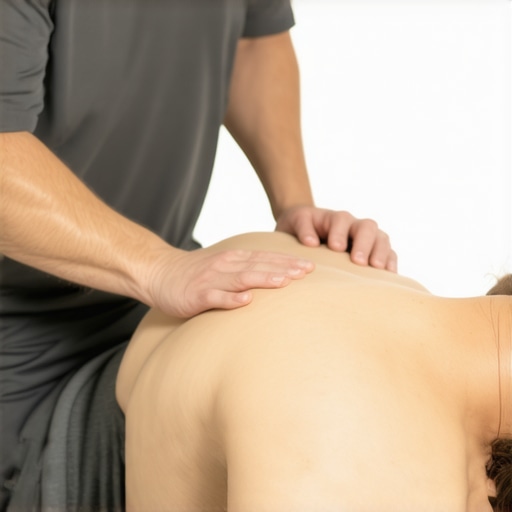
Have you ever fallen into this trap? Let me know in the comments.Maintaining a healthy back over the long term requires more than just occasional adjustments or stretching; it involves using the right tools and techniques consistently. One piece of equipment I personally find invaluable is the lacrosse ball. Its firm, dense surface allows for targeted myofascial release, especially for tight spots like the upper traps or lower back. I regularly use it to perform self-massage routines that help prevent muscle knots from developing, making recovery faster and more sustainable. Incorporating a foam roller is another essential; I prefer the TriggerPoint Grid Foam Roller because its multi-density surface offers a balanced mix of firmness and flexibility, enabling me to roll out larger muscle groups efficiently. Regular foam rolling improves blood flow, reduces stiffness, and keeps muscles pliable, which is critical for long-term spinal health.
But tools are only part of the equation. Software tracking can also be valuable. I utilize a simple app like MyFitnessPal to log my daily activity levels, habits, and sleep patterns. Monitoring these factors helps me identify lifestyle patterns that might contribute to back pain or stiffness. Staying consistent with these logs encourages accountability and helps me spot trends early before they develop into bigger issues.
For digital management of your rehab or chiropractic plan, I recommend dedicated telehealth platforms that integrate with your device ecosystem. This way, I ensure I follow prescribed exercises correctly and get timely feedback from my practitioner. Consistent follow-through with these digital tools ensures that I stay on track and make steady progress.
Looking ahead, I believe that wearable technology will become even more sophisticated, providing real-time biomechanical feedback during daily activities or workouts. Imagine a smart belt that alerts you when your posture deviates or a sleeve that monitors muscle tension—these innovations will make maintaining back health more intuitive and personalized.
**How to maintain your spinal health over time** involves integrating these tools into a comprehensive routine. Regular self-massage with a lacrosse ball, combined with proactive lifestyle monitoring via apps, creates a seamless approach that enhances the effectiveness of chiropractic care and rehab exercises. Want to accelerate your progress? Try incorporating targeted self-massage routines with a lacrosse ball after workouts, and see how quickly your mobility improves. For expert guidance tailored to your specific needs, contact us via this link and start making your back health a priority today.
Secrets I Didn’t Expect to Learn About Staying Pain-Free
The most eye-opening lesson I discovered was that consistency in habits matters far more than quick fixes. Early in my recovery journey, I believed occasional adjustments and sporadic stretching would suffice, but I realized lasting relief demands daily mindful actions and lifestyle tweaks. Additionally, I learned that embracing multiple approaches—like integrating chiropractic adjustments with targeted rehab exercises—creates a powerful synergy that accelerates healing. Lastly, understanding my body’s unique response to treatments, rather than following generic advice blindly, proved essential in crafting an effective, personalized plan that keeps me pain-free long-term.