
It was a frustrating Sunday afternoon when I finally hit a wall during my workout. My grip was failing, and with it, my hope of pushing through the stubborn elbow pain that seemed to have taken over my life. I remember feeling a twinge of helplessness—like no matter how many stretching routines or chiropractic adjustments I tried, the discomfort persisted. It was a lightbulb moment: maybe I was missing a key piece of the puzzle.
The Hidden Link Between Grip Strength and Elbow Pain
As someone passionate about fitness and rehab, I’ve learned that strength isn’t just about how much weight you lift or how many reps you crank out. Sometimes, the real issue lurks in the small but crucial muscles that support larger movements. I discovered that weak grip muscles can lead to overcompensation in the forearm and elbow, aggravating tendons and prolonging pain. This connection isn’t widely known, but understanding it changed everything for me.
Many folks suffer from chronic elbow tendinitis, not realizing that their grip strength plays a pivotal role in recovery. I’ve seen countless clients and friends stuck in a cycle of pain because they overlooked this aspect. The good news? Improving grip strength doesn’t require fancy equipment or endless supplements. It’s about targeted, mindful training that I now incorporate into my routines.
Before I made this shift, I made a major mistake early on: I focused solely on the elbow joint without strengthening the supporting muscles. That mistake set me back months. Trust me, I’ve been there, and I want to save you the frustration.
Curious if this resonates?
Are you dealing with persistent elbow pain that refuses to budge, even with conventional rehab? You’re not alone.
In the next sections, I’ll show you how to harness the power of grip strength to accelerate your healing and get back to your favorite activities—pain-free.
For starters, check out our comprehensive guide on the grip adjustment that fixed my golfer’s elbow and see how small tweaks can make huge differences. Let’s dive into why your grip might be your secret weapon in managing elbow tendinitis—so stick around.
Assess Your Current Grip and Hand Position
Start by examining how you hold objects during daily activities and workouts. Notice if your grip feels weak or unstable, especially during pressing or pulling movements. I recall a session where I realized my grip was slipping during deadlifts, leading to strain in my elbows. When I consciously checked my hand placement, I discovered I was gripping too tightly on my thumb side, causing imbalance.
Incorporate Targeted Grip Strength Exercises
Introduce activities such as farmer’s carries, towel wrings, or squeezing a tennis ball. For instance, I spent five minutes daily squeezing a grip ball, which significantly boosted my finger and palm strength. Think of your grip as the foundation of a house; strengthening it stabilizes all the connected structures.
Use Progressive Overload Carefully
Gradually increase the resistance or duration of grip exercises. Don’t leap into heavy squeezing; instead, add small increments, similar to lifting weights but on a smaller scale. I once tried to jump straight into maximal squeeze holds and ended up over-fatiguing my tendons, setting back my progress. Patience ensures strengthening without overstressing.
Modify Your Technique to Reduce Strain
Review how you perform your lifts or daily tasks. For example, when doing push-ups or bench presses, ensure your grip is neutral, avoiding excessive wrist extension. I noticed that turning my hands slightly inward during presses alleviated pressure on my elbows without compromising grip strength. This tweak made a noticeable difference in my recovery pace.
Optimize Your Equipment and Hand Positioning
Choose grips and handles designed to distribute force evenly. Using thicker handles can encourage proper finger engagement. I switched to ergonomic kettlebell grips, which reduced my forearm tension, preventing elbow flare-ups. Think of your hand as a clamp—improving how it contacts objects can prevent the muscles from overcompensating.
Address Underlying Mobility and Support Issues
Limited wrist or finger mobility can hinder grip and increase elbow strain. Incorporate mobility drills like wrist circles or finger stretches daily. I found that doing a quick belly breathing exercise improved overall tension management in my entire upper limb. Better mobility translates into more efficient force transfer and less strain.
Integrate Grip Training with Whole-Body Stability
Enhance core and scapular stability to support your grip strength. Exercises like scapular resets or ribs stabilization drills can protect your elbows by improving overall movement patterns. I experienced less elbow pain when I integrated these into my regular routine, correcting compensatory movements.
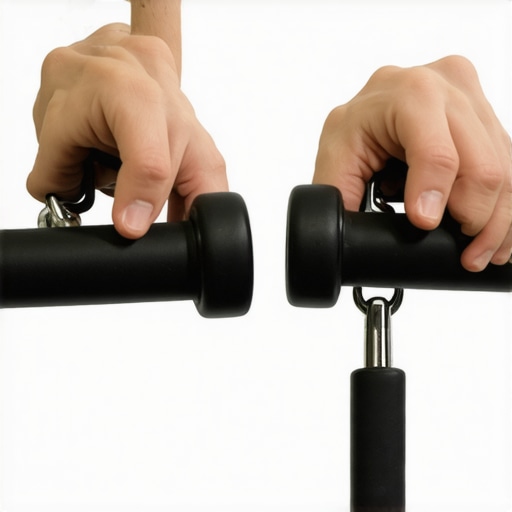 When it comes to managing back pain, many assume that the quick fix—targeted adjustments or chiropractic sessions—will produce long-lasting results. However, this belief often falls short because it overlooks a crucial nuance: the importance of addressing underlying weaknesses, especially in muscles like the glutes and core, which support spinal stability. Relying solely on adjustments without strengthening these supportive muscles is a common misconception that can lead to repeat visits and unmet expectations.
Are You Missing the Bigger Picture in Your Recovery?
According to a 2017 study in the Journal of Manual & Manipulative Therapy, passive treatments like adjustments may provide temporary relief but often don’t result in sustained improvement unless combined with active rehab exercises that target muscle strength and stability. A frequent trap is thinking that adjustments alone are a cure-all; instead, they should be part of a comprehensive plan that includes mobility, strength, and neuromuscular control.
Additionally, many people don’t realize that improper movement patterns, such as compensating with overactive muscles, can nullify the benefits of adjustments. For example, weak glutes can cause the lumbar spine to overcompensate, leading to persistent pain despite regular chiropractic care. This is why integrating targeted stabilization drills, like those described here, is essential. Neglecting this aspect can turn a short-term fix into a long-term problem.
Beware of the trap of thinking that pain relief equals a resolution. Quick adjustments might feel good temporarily, but unless you’re addressing the root causes—such as muscle imbalances or poor movement habits—the pain is likely to return. This ‘quick fix’ mentality can delay true recovery and even cause further injury if the underlying issues worsen. Always consider a multifaceted approach that includes both manual therapy and active rehabilitation, like core stability exercises or mobility drills, which have shown to improve outcomes significantly. For example, a solid morning routine focusing on mobility can make a notable difference.
In summary, sidestepping the larger picture—like muscle strength and movement quality—permits a cycle of temporary relief but prevents genuine recovery. Incorporate supports like glute activation drills or thoracic mobility work, and you’ll enhance the durability of your treatment results. Don’t get caught in the trap of believing that adjustments alone are enough; let active rehab be your secret weapon. Have you ever fallen into this trap? Let me know in the comments.Maintaining your progress in rehab and mobility requires the right tools and consistent routines. Personally, I rely heavily on a few specific pieces of equipment that have genuinely transformed my approach to long-term maintenance. One essential item is a quality grip ball—like the IronMind Captains of Crush—because it allows me to perform focused grip strengthening exercises daily, which I’ve found crucial for back and elbow health. Incorporating grip strength into my routine has helped stabilize my forearm muscles, reducing strain during heavier lifts and daily activities.
Another game-changer has been using mobility tools such as foam rollers and massage balls, especially for the thoracic spine. A dense foam roller helps me perform my daily mobility drills, like those detailed in our mobility enhancement guide. Regular self-myofascial release has kept my tissues supple, preventing stiffness that often leads to compensatory movements and pain. For precise adjustments, I swear by resistance bands—particularly those with handles—since they facilitate controlled strengthening and stability drills. Bands are versatile for exercises targeting glutes, core, and shoulder stability, which are foundational for preventing setbacks.
I also employ a programmatic approach using specific software like Trainerize to track my workouts and progress. Digitally guided protocols ensure I stay consistent, aligned with my goals of sustainable health. Leveraging apps with video tutorials helps me refine technique, ensuring every movement is performed optimally, reducing the risk of setbacks. As telehealth and digital rehab tools evolve, I predict a future where personalized, app-guided programs become the norm, making expert guidance more accessible for long-term maintenance.
### How do I keep my back healthy over time?
It’s critical to integrate both active exercises and supportive tools into a personalized routine. Regularly revisiting mobility drills, like those in our short mobility routines, ensures tissues stay flexible. Additionally, leveraging resistance bands for stability and strength exercises can help prevent imbalances that often cause pain recurrence. Consistency in using these tools, combined with mindful movement, is key.
If you’re still relying solely on passive treatments like adjustments, consider incorporating strengthening routines that address underlying weaknesses, especially in glutes and core. This approach aligns with emerging research showing that active rehab significantly enhances long-term outcomes (see the study in the Journal of Manual & Manipulative Therapy).
To get started, pick one tool that resonates most with your current routine—perhaps a mobility drill or a grip exerciser—and commit to integrating it daily. Over time, these small adjustments can lead to meaningful, lasting improvements. Ready to boost your maintenance game? Try incorporating a daily thoracic mobility routine from our mobility guide and experience the difference. Keep moving smart—your body will thank you.
The Hardest Lesson I Learned About adjustments, chiropractic, back pain, sports rehab
One of my most impactful realizations came after countless sessions of passive treatments. I discovered that without addressing underlying muscle weaknesses—like weak grip muscles impacting elbow health—relief was only temporary. This lightbulb moment reminded me that sustainable recovery demands a proactive approach, focusing on strengthening those small but crucial muscles. Recognizing this shifted my entire perspective on injury management and optimized my rehab strategies.
3 Myths About adjustments, chiropractic, back pain, sports rehab That Held Me Back
For years, I believed that manual adjustments alone could resolve deep-rooted issues. I thought a quick tweak would provide lasting relief. However, I learned that unless combined with targeted exercises—such as grip strengthening or mobility drills—these treatments only offered short-term solutions. Busting these misconceptions helped me embrace a full-spectrum approach that fosters true, long-lasting healing.
What Experts Won’t Tell You About adjustments, chiropractic, back pain, sports rehab
The truth is, passive therapies are just one piece of the puzzle. Active rehab, including core activation and mobility work, plays a vital role in preventing future setbacks. For instance, integrating scapular and rib mobility drills can dramatically enhance upper body stability. This holistic view, often overlooked, is the key to transforming pain management into sustainable wellness, and I now prioritize it in my routine.
My Essential Toolkit for adjustments, chiropractic, back pain, sports rehab
Over time, I’ve curated a set of tools that support my recovery and long-term health. A high-quality grip ball, like the IronMind Captains of Crush, allows me to strengthen my grip daily—crucial for reducing elbow pain and improving stability. Resistance bands enable controlled strengthening, especially for glutes and shoulders, which protect the spine. Additionally, foam rollers and massage balls keep tissues supple and ready for movement. These tools have become my go-to assets for maintaining mobility and strength, ultimately preventing setbacks.
Where to Go from Here
If you’re serious about making lasting changes, start by reassessing your routine. Incorporate targeted grip exercises, mobility drills, and stability work as foundational pillars. For comprehensive guidance, I recommend exploring our detailed overview of grip adjustments that can transform your recovery journey. Remember, progress is a gradual build—be patient, stay consistent, and trust that small, deliberate actions will lead to significant, enduring results.
Your Next Step Toward Pain-Free Movement
The path to lasting relief involves more than quick fixes—it’s about understanding and addressing the root causes, like muscle imbalances and movement patterns. I encourage you to integrate simple mobility routines, strengthen your support muscles, and use effective tools daily. Doing so will not only relieve current pain but also fortify your body against future injuries. Are you ready to take control of your health and redefine what’s possible? Your journey toward sustained mobility starts now.