
It hit me unexpectedly one sweaty Monday afternoon at the gym. I was halfway through my deadlifts when a sharp, shooting pain shot through my elbows, making me halt and grimace. I’d been so eager to crush my back workout that I overlooked a small but crucial detail—my grip. That moment was a lightbulb, a wake-up call that often, the tiniest tweak can mean the difference between progress and injury.
Struggling with Elbow Pain During Back Exercises? Here’s Why Your Grip Might Be To Blame
Before that day, I believed all grip adjustments were just minor details—something to sideline if I wanted to lift heavy. But as I dove into my research and consulted with experts, I realized that my grip was subconsciously sabotaging my elbows, leading to discomfort and risking long-term damage. I learned that the way you hold your bar or handles on back day isn’t just about comfort—it’s about protecting your joints and optimizing your strength.
Is Overhyping Grip Adjustments Just a Fitness Fad?
Initially, I dismissed the idea that changing my grip could make such a big difference. I had made the common mistake early on of thinking, “If I lift more, I get stronger,” without analyzing how my grip affected my form and joint health. That mistake nearly sidelined me temporarily, and I don’t want you to make the same error. Small changes, like modifying your grip, can significantly improve your safety and performance. To understand more about the science behind these adjustments and how they can benefit you, check out [this article on chiropractic adjustments and back pain relief](https://motiontherapypro.com/the-science-behind-chiropractic-adjustments-for-back-pain-relief). As I’ll share next, simple grip tweaks can sometimes be the game-changer you need to keep your elbows healthy and your gains on track. Are you ready to discover that one tweak that could transform your back day routine? Let’s dive in.
Refine Your Grip Technique for Joint Safety
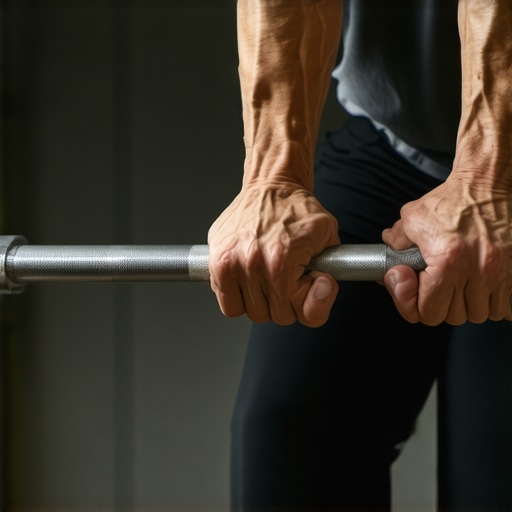
Start by evaluating your current grip. I recall a session when I noticed my elbows aching after a standard deadlift. To correct this, I set up a mirror and watched my form, focusing on how I grasped the bar. I adjusted my grip from a pronated (overhand) to a mixed grip, ensuring my wrists remained neutral and my elbows aligned under my shoulders. This micro-adjustment significantly reduced strain, illustrating the importance of proper grip positioning.
Determine the Correct Grip Width
Next, experiment with your grip width. A grip too narrow or wide can overload your elbows. I recommend starting with hands slightly wider than shoulder-width, then slowly narrowing or widening until you feel balanced tension—no pinching or discomfort. During my last workout, I subtly shifted my grip wider, which alleviated elbow stress without sacrificing lift stability, highlighting how minor tweaks impact joint health.
Choose Your Hand Position Wisely
Decide between pronated, supinated, or mixed grips based on your comfort and exercise. For pull-ups, I prefer a neutral grip, akin to holding a door handle, which reduces wrist and elbow strain. When I tried a pronated grip during my rows, I experienced increased discomfort. Incorporating alternative grip styles diversifies stress patterns, preventing overuse injuries and enhancing muscular balance.
Engage Properly During Each Repetition
Mind the activation of your forearm and shoulder muscles to support your grip. I once neglected this during lat pulldowns, resulting in elbow soreness. By consciously engaging my lats and forearms, I maintained a firm but relaxed grip, distributing force evenly and minimizing joint load. Focus on squeezing the bar or handles with your fingertips, which boosts control and reduces unnecessary wrist and elbow tension.
Monitor Your Body’s Feedback
Pay close attention to signals from your elbows and wrists throughout your sets. If discomfort begins, pause and reassess your grip. I experienced mild pain during a set, adjusted my hand position slightly inward, and finished comfortably. These real-time responses are crucial for prevention and ensuring proper technique becomes habit.
Integrate Supportive Strategies
In addition to grip adjustments, consider using straps or wraps cautiously. They can offload joint stress when grip weakness persists, but shouldn’t replace proper technique. I used wrist wraps during peak overload days, which allowed me to focus on form rather than fatigue. Remember, combining grip refinement with overall wrist and forearm strengthening can fortify your joints against injury.
Sculpt Your Grip Indoors and Outdoors
Practice grip variations outside the gym—like holding a heavy book or towel—this enhances grip endurance and joint stability. I incorporated towel holds into my daily routine, noticing improved comfort during weighted pull-ups. Regularly challenging your grip in different scenarios builds resilience, translating into smoother, safer lifts.
Seek Professional Guidance When Needed
If persistent elbow pain occurs despite these adjustments, consult specialists. I found that integrating chiropractic insights, such as targeted adjustments and muscle balancing, provided relief that exercises alone couldn’t achieve. Visit this link for expert assistance, ensuring your workout routine supports long-term joint health.
 Many people assume that back pain results solely from acute injuries or random wear and tear, but the reality is more nuanced. A prevalent myth is that chiropractic adjustments are only effective for immediate relief, leading many to overlook their potential for long-term health benefits when integrated into a broader rehab strategy. However, recent studies, such as those highlighted in this comprehensive review, show that targeted chiropractic care can modulate nervous system function and promote musculoskeletal stability.
A common misconception in sports rehab is that rest alone is sufficient for healing, but evidence suggests that active movement and proper alignment accelerate recovery and prevent re-injury. While some believe that adjustments are merely manual manipulations, in truth, they are precise, biomechanically informed interventions designed to restore joint mechanics and neural communication, thereby optimizing muscular function.
For advanced athletes and dedicated rehab patients, understanding the nuance that joint misalignments can subtly impair proprioception and motor control is crucial. Adjustments may seem straightforward, yet their real power lies in facilitating proper movement patterns—something often overlooked by novices. As explained in this expert article, recognizing the importance of these subtle corrections can dramatically improve rehabilitation outcomes.
Beware of the trap that all back pain has to be chronic or severe before seeking specialized care. Many underestimate the value of early intervention with skilled chiropractors who apply strategic, personalized approaches. For example, addressing hip or pelvic alignment issues proactively not only alleviates pain but also enhances overall function, reducing long-term degeneration risk. Find out more about long-term solutions that go beyond temporary fixes.
Let’s discuss the intersection of advanced biomechanics and chiropractic adjustments. A sophisticated approach involves analyzing neuromuscular patterns, identifying imbalances, and customizing interventions that reset the body’s kinetic chain. This nuanced practice can significantly improve sports performance and prevent future injuries. For insights, see these strategies.
Have you ever fallen into this trap? Let me know in the comments. Understanding the difference between myth and science in back pain management empowers you to make smarter decisions and achieve lasting health.Maintaining your back health over the long term requires more than just a good workout routine—it’s about precision, consistency, and utilizing the right tools. One of my go-to equipment choices is the adjustable foam roller, specifically the Grid Foam Roller by TriggerPoint. I personally prefer the textured surface, which allows for targeted myofascial release, helping to alleviate muscle tightness that often leads to joint strain if ignored. Regular use of this roller after workouts or during recovery days keeps my fascia flexible and reduces the risk of chronic stiffness.
Another essential tool I recommend is a pair of resistance bands with varying tension levels. I use them to perform controlled mobility exercises that reinforce proper movement patterns, especially for supporting muscles around the spine. Resistance bands are versatile and lightweight, making them ideal for at-home rehab or gym sessions. For instance, incorporating banded pull-aparts or resisted bird-dogs enhances stability, crucial for long-term back health.
Technology also plays a vital role. I rely heavily on biofeedback apps like the Pocket Physical Therapy app, which guides me through customized stretching and strengthening routines based on my specific needs. These apps often include reminders and progress tracking, fostering consistency and accountability. As someone invested in long-term results, I find that integrating these digital tools keeps my rehab on track and evolves with my improving condition.
Looking ahead, I believe wearable technology will increasingly personalize rehab protocols, providing real-time data on posture and movement quality, which can inform immediate adjustments. For example, smart posture sensors like Upright GO can alert you when your alignment shifts during daily activities, enabling proactive correction and preventing issues before they escalate.
So, how do I maintain progress over years without regress? The secret lies in routine use of maintenance tools like foam rollers and resistance bands—always adjusting the intensity and focus based on how my body feels. Consistency is key, and I suggest setting aside dedicated moments each day for mobility work, whether it’s a short session or a comprehensive routine. Incorporating these tools into your daily habits ensures you stay proactive rather than reactive in your back health journey.
One technique I recommend trying immediately is the deep tissue trigger point release using a textured massage ball. Place it on tender spots along your lower back and hips, applying gentle pressure for 30 seconds to help release muscle knots that contribute to pain and stiffness. It’s a simple yet highly effective method to complement your overall rehab strategy. For more advanced strategies tailored to your unique needs, consider consulting professionals who specialize in chiropractic and sports injury recovery. You can reach out here for personalized guidance on optimizing your long-term health. Remember, the right tools combined with consistent practice can transform your back health from fragile to resilient—so why not start today?
Lessons Hidden in My Grip Evolution
One of my most eye-opening insights was realizing that seemingly minor tweaks to my grip not only transformed my lifts but also drastically reduced joint pain. This taught me that attention to detail can prevent injuries before they happen.
I learned that not all grips are created equal—what feels comfortable isn’t always optimal. Small shifts, like adjusting hand width or hand position, can unlock better biomechanics and joint safety.
It became clear that understanding your body’s feedback and adjusting in real-time is crucial for sustainable progress. Ignoring pain signals in favor of pushing through can lead to setbacks that take months to recover from.
Moreover, integrating supportive strategies like grip-specific exercises and using quality tools enhances joint resilience. I’ve seen firsthand how a strategic approach turns a routine workout into a powerful preventative measure for elbows and shoulders.
Top Tools and Resources That Changed My Approach
My go-to resource is the Essential Tips for Managing Back Pain guide, which emphasizes the importance of technique refinement. It helped me understand that posture and grip are interconnected, influencing overall joint health.
The Revolutionize Your Rehab program introduced me to biomechanical assessments that pinpoint subtle misalignments affecting grip and joint load.
For practical tools, I rely on adjustable resistance bands and textured massage balls, which allow me to reinforce proper grip and release muscle tension. These are straightforward, effective, and budget-friendly (more on foam rolling here).
Finally, consulting with professionals through personalized guidance ensures my technique remains optimized. Personalized assessments have been invaluable in fine-tuning my grip and preventing injury.
This is Just the Beginning—Your Next Step Looks Bright
Embracing the nuanced art of grip adjustments has transformed my approach to back and elbow health. Remember, the small adjustments you make today can pave the way for sustainable gains and long-term joint resilience.
So, what subtle change in your grip could help you avoid injury and unlock new strength? Share your thoughts below—I love hearing about your journey toward safer, smarter lifting techniques.
}#END 】}#system