
It was a typical Saturday morning when I finally hit my breaking point. After weeks of stubborn knee pain that worsened with every step, I realized I couldn’t ignore it any longer. I was an active person, proud of my workouts and hikes, yet suddenly, my body was telling me something was off—something I had overlooked for too long. That lightbulb moment came when I caught myself limping after a simple jog, and I thought, ‘Why is my hip so tight?’ It was then I started my journey to uncover a surprising but often overlooked connection: the link between hip tightness and knee pain.
Why Your Hip Might Be the Missing Piece in Your Knee Puzzle
Many folks attribute knee pain solely to the joint itself, blaming old injuries or overuse. But what if I told you that tightness in your hips could be sneaky culprits behind that nagging pain? When your hip muscles, especially the hip flexors and rotators, become chronically tight or restricted, they can throw off your body’s alignment and movement patterns. This creates extra stress on your knees, leading to discomfort, inflammation, and sometimes even longer-term issues. Honestly, this was a game-changer for me—realizing that addressing my hips could significantly reduce my knee pain, rather than just solely focusing on the knee itself.
Research supports this idea, showing that hip mobility directly impacts knee health. A study published in the Journal of Orthopedic & Sports Physical Therapy highlighted how hip weakness and tightness are common predictors of knee injuries and pain. Recognizing and improving hip flexibility and strength can help restore proper biomechanics, preventing knee issues before they escalate. If you’ve been battling persistent knee pain that doesn’t seem to go away, perhaps it’s time to consider that the root cause might lie higher up in your hips.
Is It Really Worth the Hype? Or Just More Fad?
When I first started learning about the connection between hips and knees, I was skeptical. I wondered, “Is this just another trendy idea, or is there real science behind it?” My early mistake was assuming that stretching alone was enough. But I soon realized that without addressing the underlying muscle imbalances and tightness, the pain simply returned — often worse than before. That was a crucial lesson: effective relief comes from a combination of targeted mobility exercises and strategic adjustments. If you’re wondering whether this approach is worth trying, I encourage you to look into the research, and even better—consult with a professional who understands these subtle yet impactful connections. Discover more about how chiropractic care can help unravel these hidden issues, which you can explore here: Unlocking Back Pain Relief with Chiropractic Adjustments.
Start with Targeted Hip Mobilization
In my experience, the first step is to loosen up those tight hip muscles. I recommend dynamic stretches like leg swings or controlled hip circles, performed daily. During one session, I spent five minutes doing hip circles, focusing on slow, deliberate movements. The next day, I noticed my hips feeling more open, and my knee discomfort lessened. Think of your hips as hinges that need lubrication; the better they move, the less strain on your knees.
Incorporate Strengthening Exercises
Building hip strength supports stability. Exercises like clamshells, bridges, and side-leg lifts are simple yet effective. I personally added bridges to my routine — lying on my back, feet flat, then lifting my hips to engage the glutes. Initially, my hips trembled, and I felt awkward, but consistency paid off quickly. Strengthening these muscles prevents compensatory movements that stress the knees, much like reinforcing a weak bridge to prevent collapse.
Learn Proper Movement Patterns
Observing and correcting how you move can prevent further damage. Use mirrors or record yourself during exercises to ensure proper alignment. For example, when I practiced squats, I watched my knees tracking over my toes without caving inward. Proper biomechanics are akin to aligning the gears in a machine; when they mesh correctly, wear and tear diminish.
Adjust Daily Habits for Better Hip Function
Your daily routines influence mobility. Sitting for long hours tightens hip flexors, so set a timer to stand and stretch every 30 minutes. I added a quick hip flexor stretch during breaks—kneeling, hip pushed forward—and felt immediate relief. Think of this as oiling your machine regularly; small, consistent actions keep everything running smoothly.
Seek Professional Guidance When Needed
If mobility issues persist, consulting experts like chiropractors can be transformative. They use precise adjustments to realign your pelvis and hips, restoring natural movement. I visited a chiropractor who tailored an intervention plan after assessing my gait, leading to noticeable improvements. Consider it as fine-tuning a complex instrument for perfect harmony. Find professionals who understand the connection between hips and knees—more info can be explored here: Unlocking Back Pain Relief with Chiropractic Adjustments.
<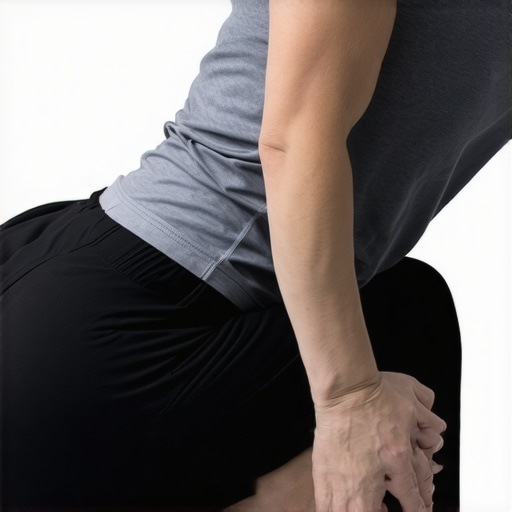 >Many individuals assume that chiropractic adjustments are a quick fix for back pain, but in reality, there’s more nuance involved. Contrary to popular belief, not all adjustments work equally for everyone, especially if underlying issues like muscular imbalances or joint restrictions are overlooked. For example, some practitioners focus solely on cracking the spine without addressing the root causes such as pelvic alignment or hip mobility, which can lead to temporary relief but not long-term results. This highlights the importance of comprehensive assessments before treatment. A common myth is that pain equals misalignment; however, studies like those found in the The Journal of Manipulative and Physiological Therapeutics show that many cases of chronic back pain involve nerve tension or muscular dysfunction rather than simple joint subluxations.
Understanding these nuanced differences helps prevent ineffective treatments and unnecessary costs. Moreover, many patients get trapped into the misconception that chiropractic care alone can fix all back issues. While adjustments are beneficial, integrating targeted exercises, lifestyle modifications, and sports rehab strategies enhances recovery and prevents recurrence. For instance, improving hip mobility through specific stretches can significantly reduce the load on your lumbar spine. Click here to discover how combining chiropractic adjustments with functional rehab can optimize your healing process.
Another trap to avoid is believing that immediate relief means the problem is fully resolved. Back pain is often a symptom of deeper biomechanical or nerve-related issues that require ongoing management. Be cautious if a practitioner promises instant, permanent results without understanding your unique movement patterns. Always seek professionals who conduct thorough evaluations and develop personalized plans. If you’re unsure about your current treatment approach, consider exploring comprehensive solutions here.
Finally, advanced patients often overlook the importance of proper movement mechanics. Posture correction, ergonomics, and activity modifications are vital. For example, correcting how you lift or sit can prevent recurring episodes of pain. Remember, effective back pain management isn’t just about quick adjustments but creating sustainable habits. Do you find yourself relying solely on pain medication or temporary fixes? Let me know in the comments!
In summary, peeling back the layers of common beliefs about chiropractic care reveals that lasting relief depends on understanding the complex interplay of joints, nerves, muscles, and habits. Educate yourself and partner with healthcare providers who appreciate this depth of detail—your back will thank you for it.Maintaining optimal spine health and body function over the long term requires more than occasional adjustments; it demands the right tools and consistent strategies. Personally, I rely heavily on specialized equipment like high-quality foam rollers and resistance bands to enhance mobility and stability. The **TheraBand resistance bands**, for example, are invaluable for strengthening hip and core muscles without the need for bulky gym equipment. I incorporate them into my daily routines, focusing on exercises like hip abductions and bridging movements to reinforce the muscles that support proper biomechanics. This targeted approach helps prevent recurrence of back pain and maintains flexibility, making adjustments more durable and effective.
For tracking progress and ensuring correct movement patterns, I use movement analysis apps such as **MyFiziq**. These apps utilize your smartphone camera to analyze posture and movement during exercises, providing instant feedback. This technology is a game-changer because it allows me to correct subtle misalignments before they develop into larger issues. As I evolve in my practice, I foresee these digital tools becoming standard in sports rehab and chiropractic routines, offering personalized insights that optimize long-term results.
When it comes to ensuring sustained improvements, consistency is key. Establishing a dedicated space at home equipped with a foam roller, resistance bands, and perhaps a mirror for visual feedback can make daily mobility and strengthening habits more accessible. Remember, the effort invested now compounds over time, leading to lasting relief and resilience.
**How do I maintain my progress over time?** I prioritize regular re-assessment sessions with a professional, which might include periodic chiropractic check-ins and movement screenings. Additionally, I integrate simple, ongoing exercises like the 30-second hip flexor reset—an efficient move for cyclists and desk workers alike—that can be done anywhere to keep hips mobile. This proactive maintenance aligns with research showing that consistent, targeted interventions sustain improvements and prevent back pain recurrence. You can learn more about advanced chiropractic strategies that support long-term health at this link.
It’s also beneficial to embrace newer techniques like nerve gliding routines or fascial release tools such as the **Knuckle Tube**—a small, handheld device that applies gentle pressure to release deep fascial restrictions, proven to improve mobility and reduce pain (source: The Journal of Bodywork and Movement Therapies). Incorporating these into your routine can make a significant difference.
By combining quality tools with strategic, consistent practices, you set yourself up for long-term success. I challenge you to try the 30-second hip flexor reset today—it’s simple, effective, and can be done even during a quick break at work. Remember, small daily actions build up to major improvements over time.
The Hardest Lessons I Learned About Chiropractic and Back Pain
One of the most profound realizations in my journey was understanding that not all chiropractic adjustments are created equal. Early on, I believed that a quick crack here and there would resolve my back issues permanently. However, I soon discovered that true, lasting relief demands a holistic approach that considers underlying muscular imbalances and joint restrictions. This lesson transformed my perspective on effective treatment strategies and emphasized the importance of personalized care.
Overcoming My Skepticism About Movement and Rehab Tools
I used to think that stretching and strengthening exercises were just supplementary; I doubted their long-term impact. But after integrating targeted mobility routines and strategic rehab tools like resistance bands and foam rollers, I realized they are the foundation of sustainable recovery. These tools helped me address root causes rather than just masking symptoms, and now I recommend them wholeheartedly to those battling persistent back pain and hip tightness.
The Surprising Power of Small Daily Habits
Consistency in daily habits made a noticeable difference in my body’s resilience. Simple actions like setting a timer to stand and stretch, performing quick hip flexor resets, or adjusting my sitting posture contributed to improved mobility and pain reduction. This underscored that long-term improvements come from small, manageable steps—an approach I now encourage everyone to adopt for lasting back health.
Curated Resources to Deepen Your Understanding
For those eager to expand their knowledge, I recommend a few tools that profoundly influenced my recovery. The comprehensive guide on chiropractic adjustments offers insights into how realignment can support healing. Additionally, proven rehab techniques and my favorite mobility tools like resistance bands and foam rollers have become part of my routine. These resources are trusted because they combine science with practical, actionable advice tailored to real-world needs.
Take Your Next Step and Feel the Difference
Remember, understanding your body’s unique connection between hip mobility and back pain is empowering. Small adjustments, consistent effort, and trusted guidance can lead to a healthier, pain-free life. Whether you’re just starting or looking to deepen your recovery, now is the perfect moment to prioritize your spinal health. Put these tips into action and watch your mobility and comfort improve day by day.
Have you ever tried a particular stretch or exercise that surprised you with its effectiveness? Share your experiences below — your story might inspire someone else to take that first crucial step toward relief!