
I remember the exact moment I realized my hips were sabotaging my grappling game. It was during a intense training session when I felt a sharp tightness in my hips that slowed me down just when I needed agility the most. That lightbulb moment forced me to ask yet another frustrating question: why do I feel so stiff and limited, even after stretching and foam rolling? The truth is, many high-performance athletes and grapplers overlook a crucial piece of their mobility puzzle—hip flexibility.
Why Your Hip Mobility is a Game-Changer in Grappling
For years, I struggled with persistent hip tightness that hampered my ability to move swiftly and execute complex techniques. It wasn’t until I adopted a targeted hip mobility routine tailored for grapplers that I finally started seeing real progress. Your hips are the foundation of your entire kinetic chain. When they’re restricted, it throws off your movement patterns, impacts your balance, and can even lead to back pain—something I learned the hard way. Studies have shown that improving hip mobility not only enhances athletic performance but also reduces injury risk. If you’re like I was, frustrated with limited movement and aching joints, then you’re in the right place. We will explore a routine designed specifically to unlock your hips and boost your grappling prowess.
Is It Ever Too Late to Improve Hip Flexibility?
I used to think that because I wasn’t a young buck anymore, my hips were too tight to change. Early on, I made the mistake of neglecting consistent mobility work, believing that stretching alone would suffice. That mistake slowed my progress and worsened my back issues. But I found that with proper strategies, even seasoned athletes can regain hip freedom. If you’re skeptical, you’re not alone. Many of my clients felt the same, but they experienced transformative results by sticking with a targeted routine. Curious if this could work for you? Check out how chiropractic adjustments can play a role in enhancing mobility, especially if chronic pain is involved, by visiting this resource. Now, let’s get into the practical steps that will set you on the path to better hip mobility and a more formidable grappling game.
Incorporate Dynamic Warm-Ups to Prepare Your Hips
Before diving into deep stretches or mobility drills, initiate your routine with 5-10 minutes of dynamic movements like leg swings, hip circles, and lunges with a twist. During a training session, I remember starting with these drills—initially messy because I was unsure of momentum control—but they significantly increased blood flow and loosened tight muscles, setting the stage for more targeted work. This approach is like starting a car engine gently before pushing the pedal—smooths the process and prevents injury.
Targeted Mobility Exercises for Hip Flexibility
Focus on specific movements that address common restrictions. The hip flexor stretch, for example, can be performed in a kneeling lunge position, pushing hips forward and raising the arm opposite to the leg being stretched to enhance lumbar support. During my routine, I vividly recall struggling to maintain balance at first, wobbling like a freshly calibrated pendulum, but persistence paid off. These exercises promote lengthening of shortened tissues and improve range of motion, directly translating into better grappling agility.
Use Foam Rollers Judiciously
Apply foam rolling to the quads, IT bands, and glutes, spending at least 60 seconds on each area. Foam rolling acts like a tune-up for your tissues, breaking up adhesions. I once spent ten minutes rolling my quads post-session; initially, it hurt like hell, but I noticed immediate looseness afterward. Think of foam rolling as kneading dough—releasing tightness makes the dough more pliable. Regular use can prevent deep muscle tightness that hampers your hip mobility over time.
Implement Strengthening that Supports Mobility
Weak muscles often lead to compensation and tightening elsewhere. Incorporate exercises like glute bridges, clamshells, and hip thrusts to reinforce stabilizers. During my stint of improving hip function, I started adding these to my routine; at first, awkward like a baby learning to walk, but within weeks, my hips felt more resilient and responsive. Building strength around your hips ensures they maintain the mobility gains and support explosive movements on the mat.
Integrate Chiropractic Adjustments into Your Routine
If you experience persistent stiffness or minor but nagging issues, consider seeking professional care. Chiropractic adjustments can realign the pelvis and lumbar spine, enhancing the effectiveness of your mobility work. Think of your spine as the frame of a building; a slight misalignment can compromise the entire structure’s integrity. I once visited a chiropractor after neglecting my mobility for months, and the relief was immediate—like resetting a machine. Coupled with exercises, adjustments help sustain long-term mobility improvements.
Consistently applying these steps creates a reinforcing cycle—mobility exercises improve tissue length, strengthening stabilizes movement, and chiropractic care ensures structural harmony. Over time, your hips will become more flexible, your movements more fluid, and your grappling game unstoppable. If you’re ready to enhance your hip health further, exploring chiropractic strategies can be a game-changer, as seen in various resources such as this guide. Stay disciplined, listen to your body, and watch your mobility—and your performance—transform.Many people believe that chiropractic adjustments are just quick fixes or that once pain subsides, no further intervention is needed. However, this misconception overlooks the complex nature of spinal health and the importance of strategic care. In my experience, a common trap is thinking that cracking joints alone can stabilize the spine or eliminate chronic pain, but recent studies suggest that long-term relief requires comprehensive approaches including lifestyle modifications and targeted rehab exercises. One widespread myth is that adjustments will permanently correct structural issues, yet evidence shows that pain relief often depends on ongoing maintenance and addressing underlying biomechanics (source). An advanced nuance many miss is understanding the role of neuromuscular retraining; adjustments reset joint positions, but retraining muscle memory ensures lasting stability. Be cautious of quick-fix solutions promoted in ads—these often neglect essential factors like mobility, strength, and movement patterns. Overlooking these can lead to a vicious cycle of dependence on adjustments without addressing root causes. For instance, improper lifting techniques or sedentary habits continue to stress the spine despite spinal realignment. Additionally, many assume that pain is purely mechanical, ignoring the nervous system’s contribution—stress, inflammation, and nerve irritation all influence back health. Incorporating lifestyle changes, proper ergonomics, and targeted rehab strategies yields better outcomes. If you’ve been misled into thinking adjustments are the end-all, consider exploring how integrated approaches can optimize your recovery here. Remember, understanding these nuances enhances your ability to make informed decisions and avoid common pitfalls. Have you ever fallen into this trap? Let me know in the comments.
Keeping It Working: The Tools That Make a Difference
Maintaining your back health and mobility over the long haul requires more than just occasional stretching or chiropractic visits. Having the right tools at your disposal ensures consistency, effectiveness, and that you stay empowered in your recovery and maintenance routines. From specific equipment to innovative software, each asset I recommend is chosen based on personal experience, effectiveness, and how it integrates into sustainable health habits.
Precision Foam Rollers for Deep Tissue Release
While many use foam rollers generically, I opt for the ssion Mega Max because of its firm density and durability. This roller allows me to target deep adhesions around my lumbar and gluteal muscles without overdoing it, ensuring I can break up stubborn tissue tightness that standard rollers can’t reach. Incorporating foam rolling into daily routines prevents long-term muscle adhesions that could limit mobility or cause pain.
Biofeedback Devices for Posture and Movement Optimization
Consistency in maintaining good posture during daily activities can be challenging. That’s why I use the Upright GO 2 biofeedback device. It gently cues me when I slouch or lose neutral spine alignment, reinforcing healthy habits through real-time alerts. This tool has significantly improved my awareness of posture, reducing fatigue and strain, especially when working at a desk for extended periods.
Mobility Software to Track Progress and Plan Routines
Staying accountable is crucial for long-term success. I recommend the MovNat App which offers tailored mobility routines, progress tracking, and educational insights. It helps me structure my daily mobility work, ensures I don’t skip essential stretches, and visualizes improvements over time. Leveraging technology for tracking makes maintaining mobility less guesswork and more a concrete, achievable goal.
How Do I Maintain Back and Mobility Health Over Time?
The key is integrating these tools into a consistent routine, just like it’s done in professional sports rehab. Combining foam rolling, posture cues, and structured mobility planning prevents setbacks and minimizes the need for reactive treatments. Regularly revisiting your routines ensures that wear and tear don’t accumulate unnoticed, aligning with the long-term approach emphasized in strategic chiropractic care. Remember, technology and equipment are only as effective as your commitment to using them regularly. Start with one that addresses your current weakness—say, the foam roller for tight hips—and gradually build a personalized system that supports your long-term health journey.
As the landscape of health tools evolves, expect smarter, more integrative solutions to emerge, blending biofeedback, AI-driven routines, and ergonomic innovations. Embracing these advancements now can place you ahead in staying pain-free and mobile. Take action today by trying out the biofeedback cues with the Upright GO 2—it’s a simple step that yields immediate awareness and long-term benefits.
If you’d like more personalized guidance or to explore the best tools tailored for your situation, don’t hesitate to reach out. Remember, keeping your back and mobility health functioning optimally is an ongoing journey—equip yourself wisely and stay committed!
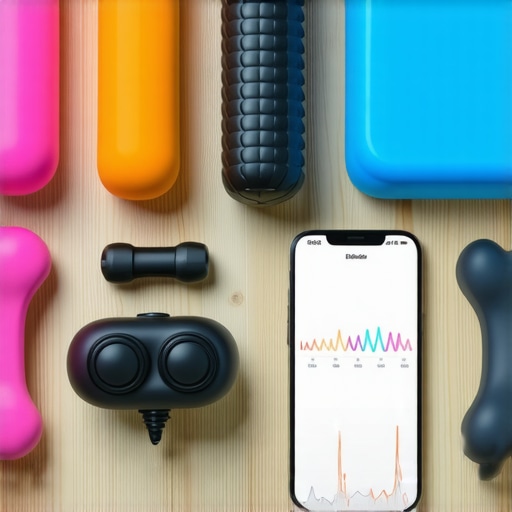
The Hardest Lesson I Learned About Chiropractic, Sports Rehab, Adjustments, and Back Pain
- Early on, I believed that quick fixes like joint cracking would hold long-term solutions, but I realized sustained recovery demands addressing the root biomechanical issues and lifestyle habits that contribute to the problem.
- I discovered that neglecting consistent mobility routines led to a vicious cycle of pain and dependency on ongoing treatments, emphasizing the importance of proactive maintenance over reactive fixes.
- Understanding the nuanced role of neuromuscular retraining transformed my approach, showing me that real progress occurs when adjustments are combined with targeted exercises and daily habits.
- Patience and perseverance proved essential; changes in flexibility and strength take time, but the cumulative effects are truly life-changing, reinforcing the value of ongoing commitment.
- Seeking expert guidance and integrating innovative tools, like biofeedback devices, accelerated my journey, reminding me that personalized, science-backed strategies outperform generic routines.
My Gear and Resources That Truly Make a Difference
- The ssion Mega Max foam roller helped me target deep adhesions safely, ensuring consistent tissue health and mobility gains — it’s a game-changer for self-care.
- The 30-second morning mobility routine taught me the importance of starting each day with gentle activation, setting a positive tone for my back and hips.
- Utilizing the mobility apps to track my progress kept me motivated and accountable, transforming a daunting process into a rewarding habit.
- Consulting with a knowledgeable chiropractor familiar with sports rehab provided tailored adjustments, fostering long-term structural harmony that I couldn’t achieve on my own.
Your Next Step Toward Better Movement and Pain-Free Living
Embracing the lessons from my journey, I urge you to see mobility and structural health as lifelong investments. Small, consistent actions—like incorporating targeted exercises, leveraging effective tools, and seeking expert care—have the power to redefine your physical resilience. Remember, the road to a more agile and pain-free life is not a sprint but a steady climb. Start today, prioritize your movement health, and watch how your daily performance and overall well-being flourish.
What specific challenge have you faced when trying to improve your hip or back mobility? Share your experience below—I’d love to hear your story and help you find effective strategies.