
I remember the exact moment when I realized I was tired of living with that nagging headache every afternoon. Sitting at my desk, shoulders tense and neck achy, I felt a sudden wave of frustration. Despite trying countless remedies—chiropractic tweaks, stretches, even pain meds—the pain stubbornly stayed. That was until I had a lightbulb moment about the importance of scapular positioning. You see, for years, I overlooked how my shoulder blades’ mobility and alignment could be directly linked to my headaches. And let me tell you, that realization transformed my approach. If you’re like I was, tired of that relentless pain and unsure where to turn, today I want to share a game-changer: the scapular drill that helped me finally break free from chronic tension headaches.
Why Your Shoulder Blades Might Be the Missing Piece in Headache Relief
Chronic tension headaches often seem like they come out of nowhere. We blame stress, eye strain, or even our sleep positions. But what if the root cause is something more overlooked—your scapular mobility and posture? Proper scapular movement doesn’t just prevent shoulder pain; it plays a crucial role in reducing head and neck tension. When your shoulder blades are stuck or misaligned, it can lead to increased strain on neck muscles and nerves, resulting in those pesky headaches that just won’t quit. Early in my journey, I made a classic mistake: I treated the symptoms, not the real problem. Skipping this connection cost me months of unnecessary discomfort. Recognizing how crucial scapular health is set me on the path to discovering a simple, effective drill that targets this very issue. Want to start feeling better? Keep reading; I promise the next steps are straightforward and doable.
How to Perform the Scapular Activation Exercise Correctly
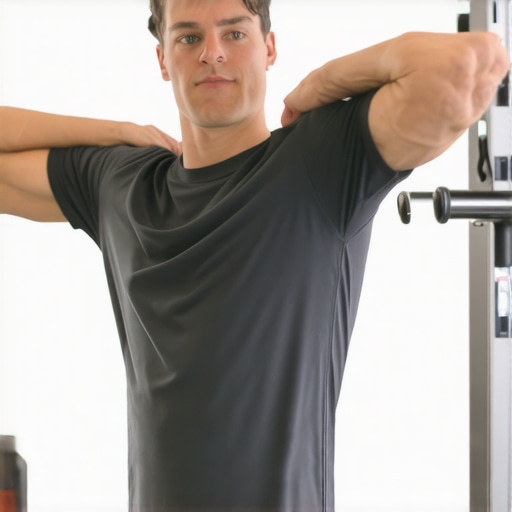
Start by sitting or standing upright in a comfortable position, ensuring your shoulders are relaxed. Imagine your shoulder blades are like wings that need gentle coaxing to move properly. Bring your shoulders back and down, squeezing your shoulder blades together without shrugging. Keep your chest open and avoid arching your lower back during the movement. Practice this for 10 repetitions, focusing on controlled, deliberate motion. I once felt awkward doing this in front of a mirror, but concentrating on a slow, deliberate squeeze helped me connect with the muscles that had been dormant due to poor posture.
Integrate the Drill into Your Daily Routine for Best Results
Consistency is key. Incorporate the scapular drill into your morning or evening routines, performing 2-3 sets of 10 reps daily. When I first started, I kept forgetting, so I set reminders on my phone. Over a few weeks, I noticed my shoulders becoming more mobile and the tension headaches diminishing. Think of this like tuning a guitar—regular adjustments keep the strings (muscles) in harmony, preventing dissonance (pain). These movements also help prepare your muscles before engaging in sports or physical activities, much like how a warm-up prepares your muscles for better performance.
Enhance Effectiveness with Additional Shoulder Mobility Techniques
Complement the scapular activation with shoulder circles, pendulum swings, or doorway stretches to free up tight muscles. For example, stand in a doorway, place your arms on the frame at shoulder height, and gently step forward to stretch your chest. This improves overall scapular mobility, which can directly impact head, neck, and shoulder tension. I found combining these exercises accelerated my progress, similar to how chiropractors utilize multiple adjustments to address complex misalignments. To explore more about how chiropractic techniques can enhance your recovery, check out this resource.
 Many people believe that the primary goal of sports rehabilitation is just to restore strength or flexibility, but in my experience, this oversimplifies the complex interplay between biomechanics, neural pathways, and tissue health. A common misconception is that quick fixes like short-term stretches or relying solely on adjustments will resolve chronic issues. However, recent research emphasizes the importance of understanding individual biomechanical patterns and neuroplasticity; for example, Dr. Craig Liebenson advocates for a systems-based approach that considers functional movement patterns over isolated treatments (Liebenson, 2020). An advanced mistake many practitioners and patients make is neglecting the subtle yet impactful role of proprioception—your body’s ability to sense its position. Ignoring this can lead to recurrent injuries even after seemingly effective adjustments. Additionally, some believe that pain always indicates damage—in reality, pain can be a protective neurological response, which means that solely focusing on symptom elimination without addressing underlying neural contributions can be counterproductive. For instance, improper load management or movement habits often perpetuate pain cycles, despite chiropractic adjustments.
What nuances are often missed when evaluating progress in sports rehab?
Studies suggest that measuring improvements in movement patterns, tissue quality, and neural adaptions provides a more comprehensive view than just symptom relief. This aligns with the philosophy that effective rehab isn’t just about addressing mechanical faults but also optimizing neural pathways, tissue health, and even psychological readiness. The danger lies in assuming that techniques like manipulations or dry needling alone will guarantee lasting recovery; integrating strategies such as neuromuscular re-education and lifestyle modifications yields more sustainable results. Curious if you’ve ever fallen into this trap? Let me know in the comments! For deeper insights, explore how chiropractic strategies can be tailored for your needs by visiting this resource or contact us here.Maintaining progress in sports rehab and back pain management requires more than just good intentions—it demands the right tools and consistent practices. One of my favorite pieces of equipment is the lacrosse ball, which I use daily for myofascial release. Its small size allows targeted pressure on trigger points, helping to release stubborn knots that can perpetuate pain or restrict movement. Personally, I incorporate it into a quick routine post-exercise or whenever I notice tightness creeping in. This simple tool has proven invaluable in maintaining tissue quality and preventing regressions. For those seeking a more comprehensive approach, foam rollers are my second go-to. I prefer dense foam rollers over softer options because they offer deeper myofascial stimulation, which is crucial for restoring mobility. I regularly perform rolling on my thoracic region and hips to keep these areas supple, especially after long periods of sitting or intense training sessions. When it comes to digital support, I rely on symptom tracking apps like MyRehab or custom workout journals. These tools help me monitor progress, set reminders for maintenance exercises, and adjust routines based on how my body responds. I’ve found that consistent documentation increases accountability and ensures long-term adherence. As technology advances, I predict a shift toward integrated biofeedback devices that can sync with your smartphone, providing real-time data on muscle activation or tension levels. This integration could revolutionize self-managed rehab by offering immediate insights, akin to how wearable tech has transformed athletic training.Throughout my journey in sports rehab and chiropractic care, I’ve realized that some of the most impactful lessons come from the pitfalls and misconceptions we’ve all encountered. One striking lesson is that quick fixes rarely lead to lasting healing; true progress requires a nuanced understanding of biomechanics and neural adaptation. I once believed that a single adjustment was the magic bullet, but it became clear that addressing movement patterns and proprioception yields more sustainable results. Another insight is the power of personalized routines—what works for one person might be ineffective or even detrimental for another. Recognizing this taught me the importance of tailored strategies and ongoing assessment. Lastly, I’ve learned that supportive tools, like foam rollers and biofeedback devices, can exponentially enhance recovery when integrated thoughtfully into daily habits. Embracing these lessons shifted my approach from symptomatic treatment to genuine, long-term health improvements. If you’re committed to transforming your sports rehab journey, integrating these insights can make all the difference and help you unlock higher levels of mobility and pain relief.