
It was a moment I won’t forget. Last week, during my workout, I attempted my usual overhead press, only to be overwhelmed by a sharp twinge in my lower back. I knew I had pushed too hard, but what really hit me was how painfully familiar that ache had become. I realized I was falling into a trap many of us unknowingly set for ourselves — pressing heavy weights while compensating with poor form, especially arching the back excessively. That lightbulb moment spurred me to reconsider the secrets behind safe, pain-free overhead pressing.
Why Aching Back During Overhead Presses Isn’t Normal
For years, I believed that a little arch in my back was just part of lifting heavy and that it was harmless. But the truth is, over-arching your back during overhead presses can lead to chronic discomfort and even serious injury if left unchecked. The core issue often lies in weak or imbalanced musculature, which forces the lower back to take on more than it should. Early on, I made the mistake of ignoring this imbalance, thinking it was just part of doing a tough workout. That was a mistake that could have cost me my mobility and comfort in the long run. Research shows that proper spinal mechanics are essential for pain-free lifting and longevity. If you’re tired of the constant discomfort or fear of injury, it’s time to look beyond just the weights and focus on what’s happening inside your body.
Is Your Technique Actually Sabotaging Your Progress?
When I first started lifting heavier without paying attention to my form, I noticed that my back felt worse after every session. I didn’t realize that my habitual arching was actually making me weaker and more vulnerable. It’s easy to fall into the trap of thinking that pushing harder is the answer, but without a solid foundation, you’re just setting yourself up for setbacks. For help with understanding the nuances of proper form, you might find targeted chiropractic care can help improve your movement patterns and prevent injuries before they happen. Remember, the key is not just lifting heavier but doing so safely and sustainably.
So, have you ever felt that nagging lower back ache during or after overhead presses? If so, you’re not alone—and I’m here to tell you that there’s a better way. In the next sections, I’ll share practical insights and proven strategies that will help you press pain-free without sacrificing your gains. Ready to get started on transforming your overhead game and protecting your back? Let’s dive into the core principles that can change how you lift forever.
.
Strengthen Your Core Before Lifting
Start by building a resilient core, the natural brace around your spine. Incorporate exercises like planks, dead bugs, and bird dogs into your daily routine. When I applied this approach during my own rehab, I noticed my back felt more stable, and I could lift without fear of strain. Consistent core activation creates a foundation that reduces the tendency to over-arch during presses, much like a sturdy house prevents leaks.
Perfect Your Technique with Expert Cues
Engage the Lats and Keep the Scapulae Stable
Imagine trying to hold a pencil between your shoulder blades; this is what engaging your lats feels like. During my last attempt at overhead pressing, I consciously pinched my shoulder blades together and maintained this engagement throughout the lift. This cue prevents excessive arching, distributes the load evenly, and reduces lumbar stress. Focus on maintaining this activated lats position with every rep.
Maintain Neutral Spine Alignment
Visualize your spine as a straight, tall rod suspended from the ceiling. Use a mirror or record yourself to check your form. When I corrected my arching, I realized I was overextending my lower back because I was looking up too much. Instead, fix your gaze forward or slightly upward to keep your neck and spine in alignment. This alignment minimizes undue pressure on the lumbar discs.
Implement Proper Breathing and Bracing
Before initiating each lift, take a deep diaphragmatic breath, brace your abs as if preparing for a punch, and hold your breath briefly during the movement. I noticed that rushing my breath caused my core to weaken mid-lift, leading to instability. A proper breathing pattern acts as an internal corset, stabilizing your posture much like steel reinforcement in concrete.
Gradually Increase Load with Focused Mobility
Incrementally add weight, ensuring that your form remains uncompromised. Pair this with mobility drills targeting the thoracic spine and shoulders—areas that, when stiff, force compensatory movements. I personally found that adding gentle T-spine rotations improved my overhead range and reduced compensatory arching. This dynamic ensures your joints move freely, preventing the lower back from taking on excess load.
Seek Skilled Chiropractic Support
If persistent back aches occur despite proper technique, consult experienced professionals who can identify underlying imbalances. For example, targeted chiropractic adjustments can restore proper joint mechanics, much like fine-tuning a misaligned wheel. Discover how chiropractic adjustments can alleviate chronic back pain and enhance your lifting capacity by visiting this resource.
Remember, integrating these steps creates a layered approach: strengthening, technique mastery, breathing, gradual progress, and professional guidance. Each plays a vital role in safeguarding your back while allowing you to push your limits safely.
While many believe that quick fixes or generic adjustments will solve chronic back pain or injuries, this oversimplified view often leads to ongoing issues. *Most practitioners and patients alike overlook the vital importance of personalized, movement-based rehab strategies.* For example, a common myth is that chiropractic adjustments alone can fully resolve long-term problems without addressing underlying movement patterns or muscle imbalances. In reality, effective sports rehab integrates both precise adjustments and targeted functional training—*a nuance many overlook*. Relying solely on adjustments without strengthening stabilizers and correcting motor patterns can result in only temporary relief, or worse, recurring pain.
What Advanced Mistakes Do Even Experienced Chiropractors Make?
Many experienced clinicians fall into the trap of focusing solely on spinal realignment, neglecting the kinetic chain’s role. For athletes and active individuals, injuries often stem from dysfunctional movement patterns elsewhere—like hips, knees, or ankles—that ripple upward. A study published in the Journal of Bodywork and Movement Therapies highlights that multimodal interventions, combining chiropractic care with specific exercise and mobility work, lead to superior long-term outcomes.
Moreover, a common pitfall is underestimating the influence of foot biomechanics, as poor foot alignment can sabotage spine health even after successful adjustments. Understanding this intricate interplay is essential. For those seeking comprehensive care, exploring strategic chiropractic solutions that address the entire kinetic chain can be transformative.
Beware the trap of applying quick fixes—true progress arises from nuanced, patient-specific strategies that incorporate posture, movement mechanics, and lifestyle corrections. Have you ever fallen into this trap? Let me know in the comments.
Maintaining your back health over the years requires more than just occasional adjustments or exercises; it demands the right tools and a proactive approach. One of my personal favorites is a high-quality foam roller. I use a dense, medium-sized foam roller daily to target my thoracolumbar fascia, releasing tension and promoting mobility. Unlike softer rollers, this firmer option helps me break apart muscle knots that can contribute to chronic tightness and discomfort. Incorporating regular foam rolling has been shown to improve circulation and reduce fascial restrictions, which are critical for long-term back health.
Next, I rely heavily on a magnetic therapy mat during my rest periods. The therapeutic magnets enhance blood flow and aid in reducing inflammation, which supports recovery between workouts or after chiropractic sessions. It’s a simple addition that yields cumulative benefits over time, especially when combined with proper movement and nutrition.
For digital support, I recommend an app that tracks your posture and reminds you to maintain correct alignment, especially during long periods at a desk. I personally use an app that prompts me to check my sitting posture every 20 minutes, which helps prevent the habitual slouching that can contribute to back pain. Consistent awareness and correction are key to long-term sustainability.
Understanding the importance of precise mobility work, I integrate the T-spine mobility move into my routine weekly. This simple exercise—focused on thoracic spine rotation—has been backed by research (e.g., the T-spine mobility move that adds power to your golf drive) for its effectiveness in enhancing shoulder and upper back function, reducing compensatory movement patterns that strain the lumbar region.
Looking ahead, the trend in sports rehab and chiropractic care leans toward personalized, technology-assisted strategies. Wearable sensors that monitor spinal alignment and muscle activation are becoming more common, offering real-time feedback to optimize your movement patterns. As this technology advances, expect a more tailored, data-driven approach to maintaining back health, making injuries less frequent and recovery faster.
How do I keep my back healthy over the years?
One of the most effective methods is integrating targeted mobility drills with professional support. For example, I regularly use a T-spine mobility move to unlock stiff areas that often lead to compensations elsewhere. Additionally, regular check-ins with a chiropractor skilled in strategic solutions—like those outlined here—can re-align and rebalance your kinetic chain, preventing long-term issues. Remember, consistency is king; daily habits and the right tools make all the difference.
To start, I recommend trying the 5-minute daily mobility routine focusing on your thoracic spine. It’s simple, quick, and effective at sustaining spinal health, keeping you moving smoothly for years to come. Always combine these practices with professional guidance to tailor the strategy to your unique needs, ensuring lasting results and optimal performance.
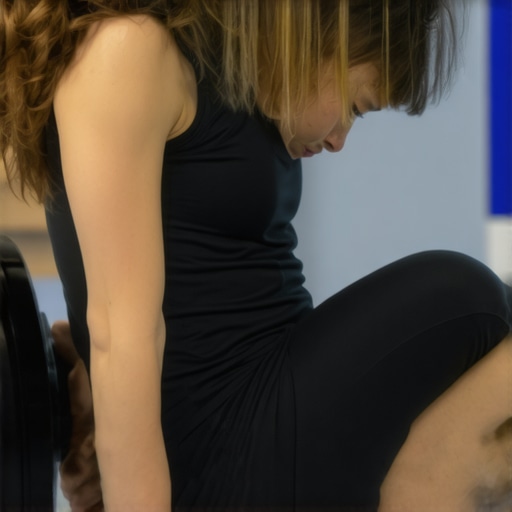
Reflecting on my journey, I realized that the most valuable lessons in maintaining your back health while overhead pressing aren’t always obvious at first glance. These insights come from personal experience, trial and error, and working closely with professionals dedicated to movement mastery.
The Hardest Lesson I Learned About Overhead Pressing and Back Safety
- Form trumps weight every time: I learned the hard way that lifting heavier without perfect technique leads to setbacks. Prioritizing proper lats engagement, neutral spine, and controlled breathing transformed my lifts and reduced discomfort.
- Imbalances are silent killers: Ignoring muscle imbalances in my core and shoulders caused compensations that strained my back. Regular mobility and targeted strengthening revealed how critical these small habits are for long-term health.
- Professional insights accelerate progress: Consulting with skilled chiropractors and movement specialists helped me detect subtle faults in my technique. Their personalized strategies made all the difference in safe lifting and recovery.
- Mindful progression safeguards your future: Incremental load increases paired with consistent form checks prevent injuries. Rushing to lift heavier is tempting but unsafe without a solid foundation.
- Tools amplify your efforts: Using mobility drills, foam rollers, and smart tracking apps enhances stability and awareness. These additions make maintenance and improvement sustainable over time.
My Trusted Gear for Staying Strong and Safe
- Quality foam rollers: I rely on dense foam rollers to release fascial restrictions, which is vital for flexibility and pain prevention. Consistent rolling keeps my thoracic spine mobile, especially before overhead days.
- Mobility-enhancing apps: Digital cues remind me to correct my posture throughout the day, reinforcing healthy habits and preventing bad compensations from becoming ingrained.
- Targeted exercise resources: Programs focused on shoulder and core stability, like those recommended in professional guides, help me maintain a balanced, injury-resistant body.
- Professional support: Regular check-ins with licensed chiropractors ensure my movement patterns stay optimal, addressing issues before they escalate into pain or injury.
Your Path to Pain-Free Overhead Pressing Starts Today
Every journey towards better back health and safer lifting is unique. Embrace the small practices—like consistent mobility, proper technique, and professional guidance—that build a resilient foundation. Remember, progress isn’t about rushing; it’s about creating sustainable habits that serve your strength and longevity.
Take charge of your safety and performance. Start integrating these insights today, and watch how your overhead presses become safer, more powerful, and pain-free. Your future self will thank you.
What’s the biggest challenge you face when trying to maintain proper form during overhead pressing? Share your experiences below—I’d love to hear your story!
,