
Have you ever reached the end of a taxing workday only to find your shoulders feeling like they’ve been wrapped in a steel vice? I’ve been there, hunched over my keyboard for hours, thinking it’s just part of the job—until the tightness becomes almost unbearable. You stretch, massage, maybe even wing it with some exaggerated shoulder rolls, but nothing sticks. It’s frustrating, and honestly, it can mess with your mood and productivity. And here’s the thing: I realized early on that these stubborn tensions aren’t random; they’re signals from your body, telling you something simple but powerful is missing in your routine.
Why Stiff Shoulders After Typing Are More Common Than You Think
The truth is, many of us ignore the subtle signs our bodies send after hours of typing or screen time. According to recent studies, poor posture and sustained static positions can lead to muscular imbalances, which then manifest as stiff shoulders and neck tension. Interestingly, this kind of discomfort isn’t just a minor nuisance; it can develop into chronic issues if not addressed early. I used to dismiss that tension as normal until I learned that a quick, intentional reset might be the game-changer I needed. That realization opened my eyes to a simple solution—something I now call the “30-Second Reset”—which has transformed my post-work routine.
Ever Feel Like You’re Just Wasting Time Trying to Loosen Up?
Trust me, I’ve made the mistake of overthinking stretches and complex routines that promised relief but delivered frustration. Early in my journey, I thought that more stretching or frequent massages would be the fix. However, I discovered that a single, targeted movement performed just after typing can yield much better results—quick, effective, and easy to do anywhere. Scientific research supports this approach, noting that brief but specific muscle releases can significantly reduce tension and improve mobility within seconds (source). Ready to learn how to implement this simple trick? Let’s dive into the practical steps that helped me beat that stubborn shoulder stiffness and can do the same for you.
Perform a Targeted Shoulder Reset
Stand upright, relax your arms by your sides, and gently shrug your shoulders upward as if trying to touch your ears. Hold for a second, then slowly roll them backward in a smooth circular motion. This movement resembles resetting a machine to its optimal function, clearing out built-up tension. I once tried this during a particularly stressful workday; after just two repetitions, I noticed a significant decrease in stiffness, making it easier to continue working without discomfort.
Use Your Breathing to Deepen Relaxation
Inhale deeply through your nose, expanding your diaphragm, then exhale slowly through your mouth. Pair this breathing pattern with your shoulder roll to enhance muscle relaxation. This technique acts like a reset switch for your nervous system, calming overactive muscles and encouraging blood flow to tight areas. I adopted this during a tight spot at my desk, and within a minute, my shoulders felt noticeably looser.
Incorporate Dynamic Arm Movements
Extend your arms in front of you at shoulder height, palms facing down. Slowly raise your arms upward, reaching overhead, then lower back down. Repeat this a few times, focusing on smooth, controlled motion. Think of this as oiling a rusty hinge—loosening stiff joints with deliberate movement. Once, I performed this right after an extended typing session, and it effectively loosened the muscles that had become static, preventing further discomfort.
Apply Light Self-Myofascial Release
Use your opposite hand to gently press into the muscles at the tops of your shoulders, applying light pressure in small circles for about 10 seconds. This self-massage stimulates blood flow and releases fascia restrictions, acting like a manual adjustment on a tiny scale. I experimented with this technique in my office, which helped ease lingering tension that stretching alone couldn’t resolve.
Implement a Quick Posture Correction Routine
Stand against a wall with your heels a few inches away, hips, shoulders, and head touching the surface. Tuck your chin slightly and pull your shoulder blades back and down. Hold for 15-20 seconds to simulate a chiropractic adjustment’s effect. This correction realigns your spine, addressing the root cause of shoulder stiffness, much like correcting a misaligned image. After doing this, I found my shoulders felt more balanced and less tense throughout the day.

Illustration of shoulder reset posture with step-by-step guidance.
Many individuals believe that chiropractic adjustments are a quick fix and that once aligned, your problem is permanently solved. However, this misconception overlooks the nuanced biomechanical and neurological factors involved in spinal health. In fact, relying solely on adjustments without addressing underlying movement patterns, muscular imbalances, or postural habits often leads to recurring issues. For example, a frequent mistake is assuming that a single spinal ‘pop’ addresses the root cause of pain, but research indicates that proper post-adjustment verification is essential to ensure lasting results. Additionally, many people overlook the importance of integrating functional movement exercises, like those detailed in hip mobility drills, which support spinal realignment and prevent future strain. A common myth is that adjustments alone will correct complex issues like disc herniations or chronic sciatica; however, without addressing compensatory movement patterns, these problems tend to reemerge. It’s essential to view chiropractic care as part of a holistic approach involving muscle balancing, movement re-education, and lifestyle adjustments. Sophisticated practitioners consider *why* restrictions and misalignments occur, not just *how* to fix them temporarily. This insight aligns with findings from top experts emphasizing the significance of restoring optimal biomechanics rather than short-term symptom suppression. Always be cautious of practitioners who promise quick fixes without building a comprehensive plan—this is a trap that often leads to frustration and prolonged recovery. If you’re curious about how to identify whether your adjustments truly target the root cause, exploring topics like proper signs of effective adjustments can be enlightening. Remember, the path to lasting pain relief involves understanding the complex interplay of nerves, muscles, and joints beyond just the spinal column. Have you ever fallen into this trap? Let me know in the comments.
Keeping your body in optimal shape over the long term requires not just effective techniques but also the right tools and consistent maintenance strategies. As someone dedicated to holistic wellness, I rely on specific equipment and methods that have proven their value time and again. Incorporating these into your routine can help maintain spinal alignment, prevent setbacks, and even scale your progress as your body adapts.
Invest in a Quality Foam Roller and Lacrosse Ball
For ongoing self-myofascial release, I swear by a high-density foam roller and a small lacrosse ball. The foam roller helps me target larger muscle groups, especially my glutes and quadriceps, which influence my pelvis alignment—a key factor in back health. I use it regularly with controlled, deliberate rolls to prevent muscle knots that could compromise adjustments. The lacrosse ball, on the other hand, is perfect for pinpointing stubborn fascia restrictions around the shoulders and upper back. I personally find it invaluable for relieving trigger points that tend to re-activate after adjustments, especially in the thoracic region.
Digital Tools for Postural and Movement Monitoring
To stay vigilant outside the clinic, I incorporate smartphone apps that use the device’s camera to analyze posture. Programs like Upright or PostureScreen provide instant feedback on my alignment, guiding me to correct imbalances before they become chronic issues. Regular self-assessment ensures I maintain good habits and catch deviations early, reducing reliance on professional interventions. Over time, this proactive approach minimizes flare-ups and keeps me moving comfortably. The future of these tools points toward AI-driven personalized programs, making ongoing maintenance more accessible and precise.
Consistency with Movement and Stretching Routines
One of my secret weapons is a set of targeted mobility drills I perform daily, like the hip internal rotation and 2-minute morning routines. These routines revitalized my core and pelvis stability, complementing adjustments and ensuring they hold longer. You can find these exercises detailed in guides that emphasize functional movement and neuromuscular control, which are crucial for long-term spinal health. Remember, maintenance isn’t just about tools—it’s about embedding habits that reinforce your progress and prevent regression.
Where This Trend Is Heading
As technology advances, I anticipate integration of wearable sensors that give real-time data on muscular tension and posture. This can lead to personalized feedback loops, empowering you to make micro-corrections throughout the day. Already, some devices can monitor your spinal angle and muscle activity, providing insights that help preempt discomfort before it becomes painful. The focus will shift from reactive care to proactive prevention, making long-term spine health more manageable for everyone.
How Do You Maintain Your Back and Neck Health Over Time?
Building a sustainable maintenance routine is all about consistency and smart tool use. I suggest trying a simple addition: use a lacrosse ball after your workday to target tight spots and invest in a posture app to monitor your alignment daily. Combining manual tools with digital feedback creates a powerful system for lasting results. Remember, small, daily checks and adjustments are more effective than occasional heavy interventions. With the right equipment and mindset, you’ll find that staying pain-free and mobile becomes second nature, even as your activity levels increase.
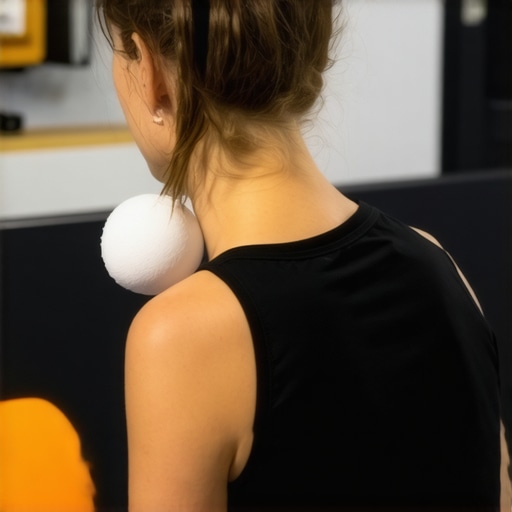
Close-up of a person using a lacrosse ball on their shoulder blade with a foam roller nearby, illustrating self-myofascial release tools.
Learning to maintain your spinal health is an ongoing journey. Incorporate these tools and habits into your routine, and you’ll be better equipped to handle whatever life throws at you. Want to dive deeper? Explore how specific movement patterns and technique tweaks can further reinforce your progress—remember, consistency is key to keeping it working!
Lessons From My Deepest Chiropractic Aha Moments
One of the most eye-opening lessons I learned was that quick fixes rarely lead to lasting relief. I used to rely solely on adjustments, believing they’d solve everything. But over time, I realized the importance of addressing movement patterns and muscular habits that undermine chiropractic care. It became clear that true progress comes from integrating simple habits, like the shoulder reset combined with breathing, into daily routines. This insight transformed my approach from reactive to proactive, emphasizing that mastering your own body is the real key to long-term health.
Another revelation was that body awareness tools, such as posture-monitoring apps, aren’t just gadgets—they’re allies in daily maintenance. They help catch misalignments early and reinforce healthy habits. Also, I discovered that persistent muscle tightness often stems from unresolved fascia restrictions, making self-myofascial release tools, like lacrosse balls and foam rollers, indispensable allies. Learning these nuances shifted my perspective from quick relief to sustainable wellness, empowering me to prevent issues before they develop.
Tools and Resources That Changed My Approach
I swear by the combination of a quality foam roller and lacrosse ball—they’ve been game-changers for releasing stubborn tension and maintaining mobility. The foam roller helps me keep large muscle groups in check, especially around my hips and upper back, which are critical for spinal health. The lacrosse ball is perfect for pinpointing trigger points and fascia knots, especially in high-tension zones. Additionally, I rely on digital posture analysis tools like PostureScreen, which give me real-time feedback on my alignment—a small investment that makes a big difference in sustaining progress.
For deeper understanding, books like “The Fascial Release” by Ann Frederick have broadened my knowledge about fascia’s role in back pain and movement. Lastly, following specialists’ blogs that prioritize functional movement exercises, such as those covering hip mobility and nerve flossing, keeps me informed about holistic strategies that complement chiropractic care and prevent recurrence. These resources collectively form a toolkit that supports my body’s resilience and enhances chiropractic outcomes.
Your Next Step Toward Lasting Relief
Embrace the mindset that your body is a dynamic system—small daily habits and mindful tools can lead to profound changes. Whether it’s integrating simple shoulder resets, using self-myofascial release, or leveraging digital posture feedback, these strategies empower you to take control. Remember, consistency is your most powerful ally on this journey. By making deliberate choices today, you pave the way for pain-free movements and better spine health tomorrow. Your own proactive routine can outshine even the most advanced adjustments if you nurture it with patience and knowledge. So, are you ready to start taking charge of your back health and turn these insights into everyday practices? I’d love to hear how you plan to implement these tips—share your thoughts below!