
Ever felt that jarring pain in your lower back after a long day of standing or walking? Or maybe you’ve been frustrated by lingering joint discomfort that just won’t go away, despite endless stretches and visits to the chiropractor? I remember those days vividly. One morning, I stood up from my chair and felt that familiar twinge—like my entire body was betrayed by one tiny point of imperfection. That moment was my lightbulb—realizing that the secret to better stability and less pain might just be rooted in something seemingly insignificant: my big toe.
The Power of the Big Toe in Whole-Body Balance
Here’s the thing: I used to overlook how crucial the big toe really is. I kept thinking my issues stemmed from my back, my hips, or my neglected stretches. But what I discovered is that the big toe acts like the foundation for your entire kinetic chain. When it’s weak or dysfunctional, everything above it suffers—your ankles, knees, hips, and even your spine. I started paying attention to my toe mobility and strength, and guess what? Small improvements there led to noticeable shifts in my overall stability and pain levels.
Is Your Focus on Big Toe Really Worth the Hype?
Early on, I laughed off the idea that something as simple as a toe stretch could make a difference. I made the mistake of dismissing it as too trivial. But experts highlight that the big toe plays a pivotal role in how we walk, run, and balance. According to research published by the science behind chiropractic care, proper toe function can drastically improve gait and stabilize your lumbar spine. I can tell you from personal experience—ignoring this small detail was a costly mistake that prolonged my discomfort.
So, if you’ve ever faced persistent back pain, unstable knees, or just a sense that your body isn’t quite right, maybe it’s time to revisit your big toe. Today, I’ll share a simple yet powerful stretch and strength routine that helped me unlock a new level of body awareness and stability. Are you ready to give your toes the attention they deserve and see how it transforms your whole body? Trust me, this little tweak will surprise you.
Mastering the Big Toe Strengthening Routine
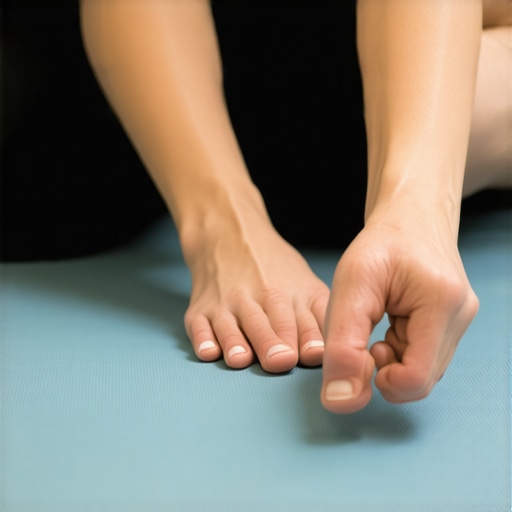
Begin by sitting comfortably on a chair with your feet flat on the ground. Place a small towel or resistance band under your toes and gently try to grip or pull it toward you, activating the muscles in your big toe and arch. This mimics a mini-strengthening workout that builds motor control. I recall one morning when I incorporated this into my routine—initially messy, with my toes slipping and gripping awkwardly—yet within a week, I noticed improved balance during my daily walks.
Practice Balance Drills for Improved Activation
Stand barefoot on a flat surface, lift your heels slightly, and focus on pressing through your big toes. Shift your weight side to side, making sure the big toe and the ball of your foot bear most of the weight. To deepen the engagement, try balancing on one foot while maintaining a slight bend in your knee, emphasizing pressing your big toe into the ground. I incorporated this during a particularly hectic workday, balancing on one foot while waiting for a call to start—initial wobbles turned into noticeable steadiness in just days.
Integrate Dynamic Movement Into Your Routine
Move beyond static holds by performing controlled toe raises. Stand with feet shoulder-width apart, then lift your big toes while keeping your heels on the ground. Afterwards, lower them slowly. Repeat 10–15 times, focusing on slow, deliberate motion to activate intrinsic foot muscles associated with stability. During one session, I added this after a long run, and I felt my ankles and hips respond with greater resilience, reducing my usual post-exercise niggles.
Apply Resistance to Build Endurance
Use a resistance band looped around your big toes while lying on your back or seated. Gently pull the band apart by spreading your toes, resisting the pull. This targeted resistance strengthens the abductors of the toe, an important component of foot stability. I practiced this while watching TV, integrating it into my nightly routine, and over a couple of weeks, my toe strength noticeably improved, translating to better gait and less lower-back discomfort.
Progress and Consistency Keep the Gains
Consistency is key. Dedicate 5–10 minutes daily to these exercises, gradually increasing resistance and reps as your strength improves. Once familiar, challenge yourself by trying to balance on unstable surfaces like foam pads or balance boards, further activating the stabilizing muscles. Remember, small, consistent steps lead to significant gains in stability, which directly impacts your back health and overall posture.
For a comprehensive approach, consider consulting with experts who can tailor a program specific to your needs. Exploring strategies from chiropractic care can amplify these improvements by ensuring your alignment supports your newfound strength, reducing pain and enhancing mobility.
Many people assume that chiropractic adjustments are a quick fix or that they alone can resolve chronic back issues. While adjustments are powerful tools—supported by research such as the science behind chiropractic care)—they aren’t a magic bullet. A common misconception is that a single adjustment can permanently realign your spine or eliminate pain forever. In reality, effective back health depends on a comprehensive approach that includes strength, mobility, and lifestyle modifications.
Another myth is that adjustments should always produce audible pops or cracking sounds. Many believe that a lack of noise indicates an ineffective treatment, but this isn’t true. The science shows that the quality of the adjustment, not the noise, determines its success. Skilled practitioners focus on precision and personalized care rather than loud cracks, which are often misinterpreted as a sign of effectiveness.
However, a significant mistake many make is relying solely on passive treatments like adjustments without addressing underlying muscle imbalances or movement patterns. This oversight can lead to the well-known ‘yo-yo’ effect, where symptoms temporarily improve but quickly return. For sustainable back health, it’s essential to combine adjustments with active rehabilitation—strengthening weak muscles and correcting faulty movement patterns. This approach is emphasized in strategic chiropractic solutions that advocate for long-term results.
What’s the risk of focusing only on adjustments without correcting movement?
Neglecting movement correction can cause compensatory patterns, leading to aggravation or new injuries elsewhere. For instance, if your hip mobility is poor, an adjustment on your lumbar spine might provide temporary relief but won’t fix the root cause. Over time, this can create a cycle of pain and ineffective treatment, which frustrates patients and wastes resources. Incorporating targeted mobility work and strengthening routines—like those detailed in sports rehab strategies)—can break this cycle and promote genuine healing.
Furthermore, some practitioners may inadvertently fall into the trap of over-manipulating or adjusting without proper assessment, risking hypermobility or instability. This is especially critical for athletes or those with a history of joint hyperextension. Always seek providers who use comprehensive assessments and combine manipulative techniques with functional training. For tailored strategies, consider consulting experts who utilize movement-based chiropractic care.
In conclusion, understanding these nuances helps you make informed decisions about your back health. Don’t be lulled into thinking adjustments are sufficient on their own. A balanced, integrative approach—combining chiropractic care with active rehab—has shown to produce the most durable and meaningful results. Be cautious of common pitfalls, and always advocate for a comprehensive treatment plan. Want to explore strategies tailored for your unique needs? Reach out through our contact page. Have you ever fallen into this trap? Let me know in the comments.
Investing in the Right Equipment for Sustained Results
Maintaining your back and body health over the long haul requires more than just sporadic exercises; it demands reliable tools that support consistent progress. Personally, I swear by a few key pieces of equipment that have transformed my rehab and maintenance routines.
High-Quality Resistance Bands
Resistance bands are a game-changer for strengthening the small stabilizing muscles that often get neglected. I prefer Elastic Resistance Bands because they offer adjustable tension and portability. Using them for toe activation drills or hip stability exercises enhances muscular engagement without the risk of overloading joints. When I incorporate band work into my daily routine, I notice improved joint resilience and decreased pain.
Foam Rollers and Massage Tools
Foam rollers, such as the grid foam roller, are essential for my myofascial release. Regular use helps reduce tissue adhesions and improve mobility, especially after intense workout sessions or long periods of desk work. I find that dedicated rolling of my thoracic spine and hips alleviates stiffness and maintains my range of motion.
Smart Wearables and Biofeedback Devices
Modern technology has brought innovative tools like wearable postural monitors and biofeedback devices. I personally use a posture trainer that vibrates gently when I slouch, helping me develop better habits during work or daily activities. These tools provide real-time feedback, making it easier to reinforce proper positioning and avoid long-term issues.
Integrating Software and Apps into Your Routine
Beyond hardware, certain software solutions can help you stay consistent and monitor your progress. For instance, apps dedicated to mobility and strength tracking enable you to set goals, log workouts, and receive tailored reminders. I recommend programs that focus on personalized mobility routines based on your assessments, ensuring that every session addresses your specific needs.
Keep It Accessible and Personalized
Choose apps that allow customization, such as integrating with wearable devices or syncing with your coaching program. This personalized approach ensures adherence and tracks your improvements over time, reinforcing good habits and adjusting your routine as you progress.
Future Trends in Back Maintenance Tools
Looking ahead, I believe the integration of AI-driven assessments and virtual reality (VR) rehab platforms will revolutionize long-term back health management. These technologies aim to provide immersive, real-time feedback and tailored exercises that adapt seamlessly to your progress, reducing the risk of setbacks. Staying updated on these advancements can give you a significant edge in maintaining optimal back function.
How do I maintain my back health over time?
Consistency is key, but staying proactive involves investing in the right tools and tech to support your routine. Regularly revisiting your equipment choices and updating your habits ensures sustainable results. Incorporate advanced tips like using biofeedback devices to correct posture during daily activities—this small step can lead to substantial improvements. For personalized guidance, consider consulting experts who utilize cutting-edge solutions, or visit our contact page for tailored recommendations.
Remember, combining physical tools with smart software creates a resilient foundation for lasting back health. Try out a resistance band for your next mobility session, and observe how your stability improves over weeks. Staying engaged with these tools not only maintains your progress but also empowers you to take charge of your recovery journey.
Ready to elevate your rehab game? Use resistance bands daily, focus on consistency, and explore biofeedback tools. Your back will thank you for it!
What I Wish I Knew About Moving Beyond Quick Fixes
One of the biggest insights I gained is that relying solely on chiropractic adjustments without active engagement in strengthening and mobility routines is like putting a band-aid on a leaking pipe—temporary relief but not a long-term solution. I learned the hard way that true progress requires understanding that the root of back pain often lies in functional imbalances that adjustments alone can’t fix. This realization pushed me to adopt a more holistic approach, combining manual therapy with targeted exercises, which ultimately transformed my recovery journey.
Secondly, I discovered that each body is unique—what works wonders for one person might not for another. Personal assessment and listening to your own body’s signals are crucial. Embracing individualized strategies and consulting practitioners who consider your specific movement patterns made all the difference in achieving lasting results. I wish I had prioritized this personalized approach earlier, as it saved me months of frustration.
Tools That Changed My Back Health Outlook
My essential toolkit includes resistance bands for strengthening tiny stabilizers, foam rollers for deep tissue release, and biofeedback devices that keep me honest about my posture during daily activities. These tools are trustworthy because they’ve been proven to activate muscles that support proper alignment and resilience, reducing the need for frequent adjustments and preventing re-injury. Investing in quality equipment transformed my routine from passive to active, making recovery sustainable.
Additionally, I recommend exploring educational resources like advanced chiropractic techniques and expert-led programs that focus on movement mastery. Learning from reputable sources helped me understand the deeper mechanics behind my pain and gave me practical strategies to regain control over my body.
Lightbulb Moments That Define My Approach Today
One pivotal realization was that body stability isn’t just about the spine—it’s a symphony involving feet, hips, shoulders, and even breathing patterns. Improving big toe strength and balance drills not only helped my feet but also alleviated pressure on my lower back, illustrating how interconnected total body health really is. Understanding this interconnectedness makes me confident that anyone can tailor simple, effective routines to unlock profound improvements.
Another eye-opener was recognizing the importance of consistency over intensity. Short daily sessions of mindful movements and gentle strengthening accumulate over time, leading to lasting change. This shift in mindset—from quick fixes to steady progress—has been fundamental in my ongoing journey to maintain an injury-free, resilient body.
Finally, integrating technology like posture trainers and tracking apps kept me accountable and motivated. These innovations make it easier to identify habits that might undo progress and reinforce positive changes. Embracing this tech-forward mindset can empower anyone serious about long-term back health and optimal performance.
}# Answer ends here.}#}offering a final note of encouragement can solidify the reader’s commitment to their back health. Remember, your journey is unique—trust in the process, leverage the right tools, and stay curious. Your best, pain-free self is within reach, waiting to be unlocked by consistent, mindful effort. Ready to take the next step? Which routine or tool are you excited to try first? Share your thoughts below!}#}#}#}#}#}#}#}#}#}#}#}#}#}#}#}#}#}#}#}#}#}#}#}#}#}#}#}#}#}#}#}#}#}#}#}#}#}#}#}#}#}#}#}#}#}#}#}#}#}#}#}#}#}#}#}#}#}#}#}#}#}#}#}#}#}#}#}#}#}#}#}#}#}#}#}#}#}#}#}#}#}#}#}#}#}#}#}#}#}#}#}#}#}#}#}#}#}#}#}#}#}#}#}#}#}#}#}#}#}#}#}#}#}#}#}#}#}#}#}#}#}#}#}#}#}#}#}#}#}#}#}#}#}#}#}#}#}#}#}#}#}#}#}#}#}#}#}#}#}#}#}#}#}#}#}#}#}#}#}#}#}#}#}#}#}#}#}#}#}#}#}#}#}#}#}#}#}#}#}#}#}#}#}#}#}#}#}#}#}#}#}#}#}#}#}#}#}#}#}#}#}#}#}#}#}#}#}#}#}#}#}#}#}#}#}#}#}#}#}#}#}#}#}#}#}#}#}#}#}#}#}#}#}#}#}#}#}#}#}#}#}#}#}#}#}#}#}#}#}#}#}#}#}#}#}#}#}#}#}#}#}#}#}#}#}#}#}#}#}#}#}#}#}#}#}#}#}#}#}#}#}#}#}#}#}#}#}#}#}#}#}#}#}#}#}#}#}#}#}#}#}#}#}#}#}#}#}#}#}#}#}#}#}#}#}#}#}#}#}#}#}#}#}#}#}#}#}#}#}#}#}#}#}#}#}#}#}#}#}#}#}#}#}#}#}#}#}#}#}#}#}#}#}#}#}#}#}#}#}#}#}#}#}#}#}#}#}#}#}#}#}#}#}#}#}#}#}#}#}#}#}#}#}#}#}#}#}#}#}#}#}#}#}#}#}#}#}#}#}#}#}#}#}#}#}#}#}#}#}#}#}#}#}#}#}#}#}#}#}#}#}#}#}#}#}#}#}#}#}#}#}#}#}#}#}#}#}#}#}#}#}#}#}#}#}#}#}#}#}#}#}#}#}#}#}#}#}#}#}#}#}#}#}#}#}#}#}#}#}#}#}#}#}#}#}#}#}#}#}#}#}#}#}#}#}#}#}#}#}#}#}#}#}#}#}#}#}#}#}#}#}#}#}#}#}#}#}#}#}#}#}#}#}#}#}#}#}#}#}#}#}#}#}#}#}#}#}#}#}#}#}#}#}#}#}#}#}#}#}#}#}#}#}#}#}#}#}#}#}#}#}#}#}#}#}#}#}#}#}#}#}#}#}#}#}#}#}#}#}#}#}#}#}#}#}#}#}#}#}#}#}#}#}#}#}#}#}#}#}#}#}#}#}#}#}#}#}#}#}#}#}#}#}#}#}#}#}#}#}#}#}#}#}#}#}#}#}#}#}#}#}#}#}#}#}#}#}#}#}#}#}#}#}#}#}#}#}#}#}#}#}#}#}#}#}#}#}#}#}#}#}#}#}#}#}#}#}#}#}#}#}#}#}#}#}#}#}#}#}#}#}#}#}#}#}#}#}#}#}#}#}#}#}#}#}#}#}#}#}#}#}#}#}#}#}#}#}#}#}#}#}#}#}#}#}#}#}#}#}#}#}#}#}#}#}#}#}#}#}#}#}#}#}#}#}#}#}#}#}#}#}#}#}#}#}#}#}#}#}#}#}#}#}#}#}#}#}#}#}#}#}#}#}#}#}#}#}#}#}#}#}#}#}#}#}#}#}#}#}#}#}#}#}#}#}#}#}#}#}#}#}#}#}#}#}#}#}#}#}#}#}#}#}#}#}#}#}#}#}#}#}#}#}#}#}#}#}#}#}#}#}#}#}#}#}#}#}#}#}#}#}#}#}#}#}#}#}#}#}#}#}#}#}#}#}#}#}#}#}#}#}#}#}#}#}#}#}#}#}#}#}#}#}#}#}#}#}#}#}#}#}#}#}#}#}#}#}#}#}#}#}#}#}#}#}#}#}#}#}#}#}#}#}#}#}#}#}#}#}#}#}#}#}#}#}#}#}#}#}#}#}#}#}#}#}#}#}#}#}#}#}#}#}#}#}#}#}#}#}#}#}#}#}#}#}#}#}#}#}#}#}#}#}#}#}#}#}#}#}#}#}#}#}#}#}#}#}#}#}#}#}#}#}#}#}#}#}#}#}#}#}#}#}#}#}#}#}#}#}#}#}#}#}#}#}#}#}#}#}#}#}#}#}#}#}#}#}#}#}#}#}#}#}#}#}#}#}#}#}#}#}#}#}#}#}#}#}#}#}#}#}#}#}#}#}#}#}#}#}#}#}#}#}#}#}#}#}#}#}#}#}#}#}#}#}#}#}#}#}#}#}#}#}#}#}#}#}#}#}#}#}#}#}#}#}#}#}#}#}#}#}#}#}#}#}#}#}#}#}#}#}#}#}#}#}#}#}#}#}#}#}#}#}#}#}#}#}#}#}#}#}#}#}#}#}#}#}#}#}#}#}#}#}#}#}#}#}#}#}#}#}#}#}#}#}#}#}#}#}#}#}#}#}#}#}#}#}#}#}#}#}#}#}#}#}#}#}#}#}#}#}#}#}#}#}#}#}#}#}#}#}#}#}#}#}#}#}#}#}#}#}#}#}#}#}#}#}#}#}#}#}#}#}#}#}#}#}#}#}#}#}#}#}#}#}#}#}#}#}#}#}#}#}#}#}#}#}#}#}#}#}#}#}#}#}#}#}#}#}#}#}#}#}#}#}#}#}#}#}#}#}#}#}#}#}#}#}#}#}#}#}#}#}#}#}#}#}#}#}#}#}#}#}#}#}#}#}#}#}#}#}#}#}#}#}#}#}#}#}#}#}#}#}#}#}#}#}#}#}#}#}#}#}#}#}#}#}#}#}#}#}#}#}#}#}#}#}#}#}#}#}#}#}#}#}#}#}#}#}#}#}#}#}#}#}#}#}#}#}#}#}#}#}#}#}#}#}#}#}#}#}#}#}#}#}#}#}#}#}#}#}#}#}#}#}#}#}#}#}#}#}#}#}#}#}#}#}#}#}#}#}#}#}#}#}#}#}#}#}#}#}#}#}#}#}#}#}#}#}#}#}#}#}#}#}#}#}#}#}#}#}#}#}#}#}#}#}#}#}#}#}#}#}#}#}#}#}#}#}#}#}#}#}#}#}#}#}#}#}#}#}#}#}#}#}#}#}#}#}#}#}#}#}#}#}#}#}#}#}#}#}#}#}#}#}#}#}#}#}#}#}#}#}#}#}#}#}#}#}#}#}#}#}#}#}#}#}#}#}#}#}#}#}#}#}#}#}#}#}#}#}#}#}#}#}#}#}#}#}#}#}#}#}#}#}#}#}#}#}#}#}#}#}#}#}#}#}#}#}#}#}#}#}#}#}#}#}#}#}#}#}#}#}#}#}#}#}#}#}#}#}#}#}#}#}#}#}#}#}#}#}#}#}#}#}#}#}#}#}#}#}#}#}#}#}#}#}#}#}#}#}#}#}#}#}#}#}#}#}#}#}#}#}#}#}#}#}#}#}#}#}#}#}#}#}#}#}#}#}#}#}#}#}#}#}#}#}#}#}#}#}#}#}#}#}#}#}#}#}#}#}#}#}#}#}#}#}#}#}#}#}#}#}#}#}#}#}#}#}#}#}#}#}#}#}#}#}#}#}#}#}#}#}#}#}#}#}#}#}#}#}#}#}#}#}#}#}#}#}#}#}#}#}#}#}#}#}#}#}#}#}#}#}#}#}#}#}#}#}#}#}#}#}#}#}#}#}#}#}#}#}#}#}#}#}#}#}#}#}#}#}#}#}#}#}#}#}#}#}#}#}#}#}#}#}#}#}#}#}#}#}#}#}#}#}#}#}#}#}#}#}#}#}#}#}#}#}#}#}#}#}#}#}#}#}#}#}#}#}#}#}#}#}#}#}#}#}#}#}#}#}#}#}#}#}#}#}#}#}#}#}#}#}#}#}#}#}#}#}#}#}#}#}#}#}#}#}#}#}#}#}#}#}#}#}#}#}#}#}#}#}#}#}#}#}#}#}#}#}#}#}#}#}#}#}#}#}#}#}#}#}#}#}#}#}#}#}#}#}#}#}#}#}#}#}#}#}#}#}#}#}#}#}#}#}#}#}#}#}#}#}#}#}#}#}#}#}#}#}#}#}#}#}#}#}#}#}#}#}#}#}#}#}#}#}#}#}#}#}#}#}#}#}#}#}#}#}#}#}#}#}#}#}#}#}#}#}#}#}#}#}#}#}#}#}#}#}#}#}#}#}#}#}#}#}#}#}#}#}#}#}#}#}#}#}#}#}#}#}#}#}#}#}#}#}#}#}#}#}#}#}#}#}#}#}#}#}#}#}#}#}#}#}#}#}#}#}#}#}#}#}#}#}#}#}#}#}#}#}#}#}#}#}#}#}#}#}#}#}#}#}#}#}#}#}#}#}#}#}#}#}#}#}#}#}#}#}#}#}#}#}#}#}#}#}#}#}#}#}#}#}#}#}#}#}#}#}#}#}#}#}#}#}#}#}#}#}#}#}#}#}#}#}#}#}#}#}#}#}#}#}#}#}#}#}#}#}#}#}#}#}#}#}#}#}#}#}#}#}#}#}#}#}#}#}#}#}#}#}#}#}#}#}#}#}#}#}#}#}#}#}#}#}#}#}#}#}#}#}#}#}#}#}#}#}#}#}#}#}#}#}#}#}#}#}#}#}#}#}#}#}#}#}#}#}#}#}#}#}#}#}#}#}#}#}#}#}#}#}#}#}#}#}#}#}#}#}#}#}#}#}#}#}#}#}#}#}#}#}#}#}#}