
I remember the day vividly. I was mid-squat, struggling to deepen my stance, and feeling a familiar pinch in my lower back. No matter how much I tried to stretch or adjust, my hips just wouldn’t cooperate. That lightbulb moment came when I realized my internal hip rotation was the missing piece. It was as if my hips were stubbornly resisting the full movement, limiting my squat depth and risking injury.
Since then, I’ve delved into countless techniques, but this simple fix made all the difference. If you’ve ever felt like your hips are blocking your progress or that your squats aren’t as deep or stable as they should be, you’re in the right place. Today, I want to walk you through what I discovered and how it can help you unlock your movement potential.
The Hidden Barrier to Deep Squats You Might Not Know
Are You Falling for the Common Myths About Hip Mobility?
One mistake I made early on was believing that stretching more would instantly improve my hip mobility. Instead, I was actually making things worse. Over-stretching the hip flexors or hamstrings without addressing internal rotation skipped right past the root cause and left me with limited movement.
Recent studies highlight that restricted internal hip rotation is a significant barrier to full, pain-free squatting. In fact, lack of internal rotation can lead to compensatory movements elsewhere—like excessive lumbar arching or knee caving—which increase injury risk. You can see more on how to fix your posture without buying expensive braces here.
But here’s the kicker: the key isn’t just about flexibility. It’s about improving how your hips internally rotate during movement, enabling a smoother, deeper squat without pain or instability. And I’ll tell you, addressing this small but critical aspect profoundly changed my training outcomes.
Have you faced stubborn hip tightness that refuses to loosen, no matter what you try? If so, keep reading. The next steps will show you how to turn things around, starting with understanding the true nature of your hip mobility challenge.
Mastering Internal Hip Rotation for Better Squats
Step 1: Identify Your Tightness – Start by assessing your current internal rotation. Sit in a half-kneeling position with your foot flat on the ground, then gently try to turn your knee inward. If movement feels limited or painful, you’ve found your issue. I tested this myself after an awkward squat session and realized my hips weren’t rotating enough, which was contributing to my back strain.
Step 2: Gentle Mobilization with Controlled Movements – Lie on your side with hips and knees bent at 90 degrees. Slowly rotate your top knee toward your midline, aiming for a comfortable stretch. This mimics the joint lubrication process—think of it as oiling a door hinge to get it moving smoothly again. I dedicated just five minutes daily, and within a week, my range improved noticeably.
Step 3: Strengthen with Activation Exercises – Focus on exercises that promote controlled internal rotation, like side-lying clam shells or banded rotations. These reinforce the correct movement patterns, similar to tightening a bolt after loosening it. Incorporating these into my routine helped lock in the mobility gains, reducing compensations elsewhere, such as knee rollover or lumbar overextension.
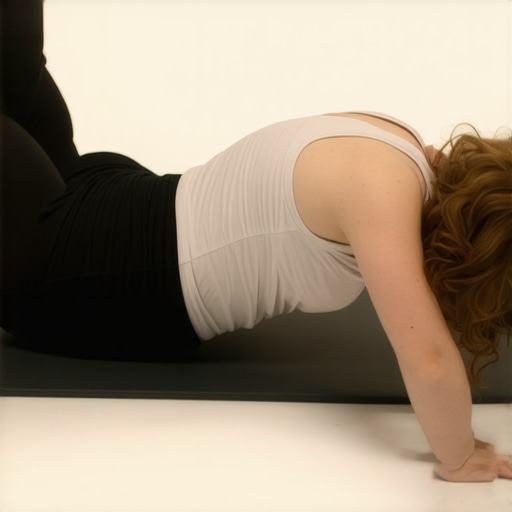
Consistency is key. Remember, addressing the internal rotation isn’t about forcing flexibility but improving movement quality. For deeper insight on how tight hips impact your entire kinetic chain, check out this guide. Keep your movements controlled and never push into pain to avoid aggravating your back or knees.
Many people assume that chiropractic adjustments or foam rolling will permanently solve their back pain, but this misconception overlooks critical nuances. In my experience, a common myth is that ‘if it feels good, it must be fixing the root cause.’ However, temporary relief often masks deeper issues like muscle imbalances or joint misalignments that aren’t truly addressed by quick fixes. For example, patients frequently roll their lower back with a lacrosse ball, thinking it releases tension, but this can actually exacerbate nerve irritation if done improperly—learn more about why your self-massage might be doing more harm than good here.
A hidden nuance many practitioners understand is that most back pain isn’t solely about the spine but involves a complex interaction of muscles, fascia, and joint mechanics. For instance, over-reliance on adjustments without strengthening stabilizers often leads to the recurrence of pain because the root muscular support isn’t solidified. Instead, integrating mobility with targeted stabilization exercises can prevent future flare-ups. Advanced mistakes include neglecting the posterior chain — focusing only on the lower back without addressing hips, glutes, or core, which actually weakens your overall support system. A study by Hodges and Richardson found that core stability exercises significantly outperform passive treatments in long-term relief here.
Now, addressing the sophisticated question: What role does neuro-muscular control play in chronic back pain? Recognizing that pain isn’t just structural but also neuromuscular helps explain why some adjustments and rehabilitative exercises fail without proper movement re-education. Improving proprioception and reaction patterns ensures your body responds better to unexpected stresses, reducing the likelihood of re-injury. This advanced approach involves drills that rewire muscle activation sequences, which many overlook.
Be cautious: many practitioners fall into the trap of treating symptoms rather than causes. For instance, just icing your back might temporarily reduce inflammation, but if underlying dysfunction exists—like poor posture or uneven hip mobility—you’re merely delaying recovery. Learn how to correctly assess and rectify these issues here.
Mastering the subtleties in back pain management means recognizing that injuries are multifaceted. Incorporate both mechanical and neuromuscular strategies for a comprehensive recovery. Have you ever fallen into this trap? Let me know in the comments.Maintaining your back health over time requires more than quick fixes; it demands the right tools and mindful routines. Personally, I rely on specific equipment like massage balls and stabilization devices that I’ve found effective in my practice. For example, a lacrosse ball is invaluable for targeting deep tissue knots, but only when used correctly—improper rolling can worsen spasms, so I always recommend referring to expert guidance here. I prefer adjustable foam rollers with variable firmness, allowing for controlled pressure tailored to your tissue response, preventing over-compression and nerve irritation. These tools help keep muscles pliable and joint mobility optimal, reducing the risk of chronic issues.
Incorporating mobility systems like resistance bands or cable-based functional trainers allows for controlled strengthening of stabilizers essential for post-adjustment maintenance. I also utilize software like posture monitoring apps that provide real-time feedback on your alignment during daily tasks, which is crucial for long-term correction. With aging and repetitive strain, your body needs consistent reinforcement to uphold improvements—a concept supported by clinical research indicating that ongoing neuromuscular control exercises dramatically reduce recurrence of back pain here.
Prediction suggests a future trend toward integrating wearable technology with AI coaching to personalize routines and alert you at early signs of misalignment. This shift from reactive to proactive maintenance will empower individuals to manage their back health effectively outside the clinic.
How do I maintain my progress over time?
Regularly scheduled mobility drills, targeted strengthening exercises, and consistent use of supportive tools are key. I suggest setting a weekly routine that incorporates self-assessment and adjusting your tools accordingly. For instance, if you notice tightening or numbness returning, re-evaluate your stabilization exercises and wearables to ensure you’re addressing the root causes rather than just symptoms. Moreover, staying informed about emerging evidence—like internal load monitoring from advanced wearable devices—can offer insights into how daily activities impact your spinal health. Adapting your tools and routines based on these metrics ensures sustained improvements and prevents setbacks. Pick one advanced tip—perhaps incorporating a stabilization belt during heavier lifts or long drives—and see how it enhances your long-term results. Remember, consistency and mindful use of the right equipment are your best allies in keeping your back pain-free.
Throughout my journey with chiropractic, sports rehab, and addressing back pain, I’ve learned that the tiniest adjustments often lead to the biggest breakthroughs. One of the most valuable lessons is that persistent stubborn tightness hints at underlying neuromuscular control issues rather than just inflexible muscles. Recognizing the importance of internal hip rotation, for example, revolutionized my approach and can do the same for you by emphasizing movement quality over sheer flexibility.
Another insight is that quick fixes, like foam rolling or icing, might temporarily mask symptoms but rarely address root causes. True healing comes from combining mobility improvements with stabilization exercises and understanding the complex interplay between muscles, joints, and neural control. This holistic approach has turned my recovery and training outcomes around—and it can do the same for you.