
I remember the exact moment I realized I was doing more harm than good during my lifts. It was after a heavy clean session—my elbows felt like they had been through a wringer, aching relentlessly, and I knew I couldn’t ignore the pain any longer. That lightbulb moment made me question everything I thought I knew about technique, especially about my wrist positioning. What I discovered was surprisingly simple but incredibly effective—a little tweak to my wrist alignment that made a world of difference.
The Power of a Small Wrist Shift
For years, I trained blindly, focusing solely on the heavy lifts, ignoring the signals my body was sending. I had made the mistake early on of neglecting wrist positioning, thinking it was a minor detail. But what I learned is that even a tiny misalignment can cascade into elbow pain, shoulder issues, or worse, long-term injury. That’s where the Simple Wrist Reset comes into play—an easy, do-anywhere adjustment that keeps your elbows safe while maximizing your power during heavy cleans.
Is Your Technique Really the Problem?
Early in my journey, I believed that lifting heavier would always mean better form. I was wrong. I focused on pushing my max, often sacrificing alignment for brute strength. That was a mistake. I found that by simply adjusting my wrist position—aligning the radioulnar joint properly—I protected my elbows and improved my lifts. Trust me, this tiny change prevented future setbacks and kept me consistent. If you want to learn how to implement this simple reset, stay tuned. And if your back or shoulder pain is holding you back, see how addressing your wrist can be a game-changer—sometimes, the culprit is right at your fingertips. For more on avoiding common rehab pitfalls, check out why foam rolling your lower back can worsen spasms.
Now, let’s get into practical steps that will help you master this small but mighty adjustment, ensuring your lifts are safe and effective without risking injury or pain. Ready to make your heavy cleans safer and more efficient? Let’s dive in.
Proper Wrist Positioning During Lifts
Imagine your wrist as a hinge on a door—if it’s off-center, the entire door wobbles and puts strain on the frame. To keep your wrists aligned, start by gripping the bar with your palms firmly wrapped and your wrists straight, not bent backwards. Think of your forearm and wrist as a straight pipe; any bend creates stress that propagates up to your elbows and shoulders.
Step 1: Warm Up Your Wrists
Prepare your wrists by doing light circles or flexion and extension to increase blood flow and mobility. This is like warming up a stiff hinge before swinging a heavy door—skipping this step invites strains. Spend about 2 minutes on wrist circles, gradually increasing range.
Step 2: Find Your Neutral Wrist Position
During setup, align your wrist so the knuckles are directly over the bar, with your wrist in a neutral, straight line. It’s similar to stacking building blocks; if one shifts out of line, the tower becomes unstable. In this position, your forearm and wrist form a straight line, reducing unnecessary torque.
Step 3: Engage Your Lats and Core
Stability comes from your core. Before pulling, brace your abs and engage your lats—think of tightening a belt around your waist. This creates a solid foundation, making your wrist adjustments more effective and your lift safer. When I applied this during my last heavy clean session, my elbows felt more secure, and I avoided nagging pain afterward.
Micro-Adjusting Your Wrist During the Lift
As you pull, your wrist may want to shift due to the weight. Just as a pilot makes micro-corrections to keep the plane steady, small wrist tweaks maintain optimal positioning. Use your hand to subtly rotate or align your wrist if you notice it drifting—think of it as gently steering a bicycle to stay straight on course.
Step 4: Use Your Fingers for Control
Grip the bar tightly with your fingertips. This acts like the clamp of a socket wrench, securing the grip and taking load off your wrists. If your grip slips or feels unstable, your wrists compensate, risking injury. Think of your fingers as the primary stabilizers—a strong grip equals less wrist strain.
Step 5: End Range Reset After Each Rep
At the top of each lift, reset your wrist to the neutral position before descending. This prevents cumulative misalignment. It’s similar to a chiropractor realigning our spine—small adjustments make a big difference in the long run. Skipping this step can lead to chronic pain or joint degeneration.
Common Mistakes and How to Fix Them
Many lifters let their wrists collapse backward under load, akin to a bowstring snapping. To combat this, focus on maintaining a slight arch in your wrists and keep your knuckles slightly higher than the bar. If pain persists, revisit your technique and consider checking your overall posture, as poor shoulder mobility can force wrist misalignments. For guidance on correcting backward bending of wrists, see proper load management.
Integrating Wrist Alignment with Full-Body Technique
Remember, wrist positioning is just one part of a holistic approach. Engage your hips, keep a neutral spine, and breathe properly to reinforce stability. If you experience persistent back or shoulder pain, it could be related to your overall alignment—check out office ergonomics or consult a specialist.
Applying these precise adjustments during your lifts not only saves your elbows but enhances your overall strength and resilience. Think of your wrists as the steering wheel—small, subtle movements keep your entire body on course toward safer, more effective lifting.
Many people believe that adjusting a joint or muscle alone suffices for long-term relief, but in my experience, this oversimplification often leads to recurring issues. A common myth is that chiropractic adjustments reset the spine perfectly, fixing pain instantly. However, research shows that without addressing underlying movement patterns or nerve tensions, the relief is usually temporary and can sometimes worsen the problem if misapplied. This trap is especially evident when patients ignore the importance of integrating nerve flossing or movement re-education, which are crucial for durable results. For instance, a study in the Journal of Manipulative and Physiological Therapeutics highlights that combining manual therapy with targeted exercises yields better outcomes than adjustments alone.
What Advanced Mistakes Do People Make When Seeking Back Pain Relief?
They often neglect the role of habitual postures, such as slouching at desks or improper sleeping positions, which can undo their correction efforts quickly. Additionally, many rely solely on passive treatments like foam rolling, unaware that overdoing it can cause nerve irritation rather than relief—see how foam rolling your lower back might actually make spasms worse if not done correctly. Moreover, some practitioners focus only on local adjustments while overlooking systemic factors like pelvic alignment or nerve entrapments, which may require a more comprehensive approach. Recognizing the interplay between joint mobility, nerve health, and habitual patterns is vital for sustainable recovery. For example, improper load management during sports rehab can sabotage progress, emphasizing the importance of personalized, holistic protocols. To understand how nerve tensions can perpetuate pain, explore resources on nerve flossing and joint stabilization. Have you ever fallen into this trap? Let me know in the comments. Ultimately, the key is to see adjustments as part of a broader, nuanced strategy—one that considers the whole body’s movement and nerve health. Checking out interdisciplinary approaches can prevent missteps and foster true healing, rather than just temporary relief.
Keep It Working with the Right Tools
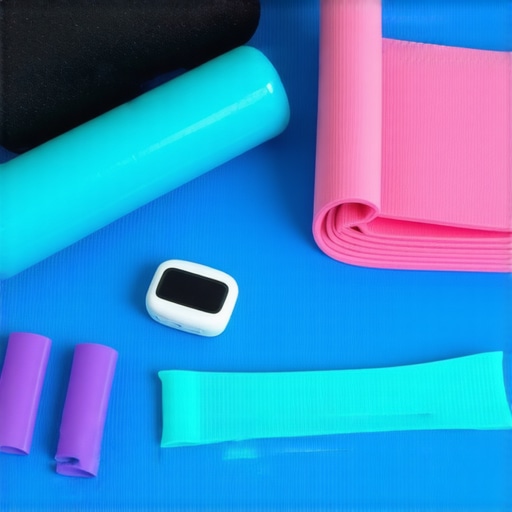
Consistent progress in back pain management and sports rehabilitation relies heavily on having a set of reliable tools that can be integrated into your routine. I personally swear by specific equipment and software that ensure sustained results and facilitate scaling adjustments over time. A key element I recommend is investing in a high-quality foam roller, like the TriggerPoint GRID Foam Roller. Its textured surface effectively targets fascia restrictions without risking excessive pressure that can worsen spasms, as explained in this detailed guide. Using it consistently helps maintain my tissue elasticity, preventing the recurrence of joint stiffness.
Another game-changing tool is a smart posture monitor, such as the Upright Go 2. This wearable device provides real-time feedback on your neck and upper back posture, which is crucial given the systemic impact poor alignment can have—like sabotaging your chiropractic adjustments, as discussed here. By wearing it during daily activities, I can make micro-corrections that accumulate into long-lasting improvements, especially when dealing with office ergonomics or tech neck issues.
For muscle balance, I incorporate a set of adjustable resistance bands, like the P90X Resistance Bands, which are versatile and portable. They allow me to perform active nerve flossing and stabilization drills that reinforce my recovery protocols, aligning with ideas from nerve tension research. Over time, these tools help my muscles adapt to the demands of sports or daily tasks, reducing the risk of reinjury.
Technology continues to advance, and I see a future where AI-driven personalized rehab programs will become mainstream, tailoring exercises to your movement patterns and nerve health metrics. Already, apps like Bear Fitness provide customizable routines based on your feedback, making long-term rehabilitation more scalable and adaptable. For now, I recommend starting with these proven tools to establish a solid foundation for durability and progress.
How do I maintain long-term results without frequent setbacks?
Consistency and adaptability are key. Implementing tools like the foam roller and posture monitors daily ensures your tissues and nervous system stay responsive. Regularly revisiting your rehab protocols, adjusting resistance levels, and tracking improvements keep progress on track. Remember, your body’s health is an ongoing project, not a quick fix. For deeper insights on maximizing your recovery efforts, explore these rapid recovery tactics that complement your tool-based approach.
Incorporate these devices into your routine now, and you’ll find your ability to scale adjustments and prevent setbacks improves significantly. Don’t wait for pain to disrupt your progress—be proactive with these reliable tools that support your journey toward sustained health and performance.
Through my journey, I’ve uncovered that the smallest changes often yield the biggest results. One of the most impactful lessons was realizing that proper wrist alignment during heavy lifts isn’t just about immediate safety—it’s about long-term resilience. Paying attention to how I position my wrists and making micro-adjustments during each lift kept my joints healthier and my performance steady. Embracing this nuance transformed my approach from reactive to proactive, ensuring I avoided setbacks and maintained momentum.
Lessons From the Lifting Zone That Changed Everything
- Details Matter More Than You Think: I used to believe that large movements dictated success, but the truth is, tiny misalignments—like a crooked wrist—can cascade into pain and injury.
- Listening Is Key: Paying close attention to subtle signals from my body during lifts helped me catch issues early, preventing bigger problems down the road.
- Consistency Over Intensity: Small, deliberate adjustments, practiced daily, proved far more effective than sporadic heavy sessions. Sometimes, the greatest gains come from the smallest tweaks.
Tools That Keep My Gains Going Strong
- TriggerPoint GRID Foam Roller: Its textured surface helps maintain tissue elasticity, ensuring my joints remain supple and ready for heavy reps. I trust it because I feel the difference after every session.
- Upright Go 2 Posture Monitor: Wearing this device during daily activities keeps me aware of my posture, reinforcing proper alignment even outside the gym—an element often overlooked yet vital for long-term back health.
- Resistance Bands like P90X: Not just for strength, these bands allow me to perform nerve flossing and stabilization exercises that support my recovery and prevent reinjury.
Embrace the Tiny Changes for Major Wins
One of the most empowering realizations is that mastery over small adjustments—like your wrist position during lifts—can dramatically improve your safety and effectiveness. Your journey toward pain-free, resilient lifting is a continuous process, not a one-time fix. By incorporating awareness, consistent micro-corrections, and trusted tools, you set yourself up for sustainable success. Remember, the path to injury-free performance doesn’t demand sweeping overhauls—sometimes, all it takes is a gentle wrist tweak and a commitment to mindful movement. Are you ready to fine-tune your technique and unlock your full potential? Share your experience or questions below—let’s keep the momentum moving forward.
Comments are closed.