
I remember the exact moment I nearly lost it during a workout—my lower back screaming, and I realized I’d been missing a crucial piece of the puzzle in my training and recovery. For years, I obsessed over perfecting my squat, thinking it was the ultimate move for strength and mobility. But the truth hit me like a ton of bricks when I discovered that mastering my hip hinge was far more vital for my back health, sports performance, and even everyday movement. Have you ever felt that nagging pain deep in your lower back or struggled to stay injury-free despite your impressive squat stats? If so, you’re not alone. Today, I want to share why understanding and prioritizing your hip hinge can actually transform your training and help you avoid unnecessary setbacks.
The Missing Link in Your Movement Routine
Is the Hip Hinge Actually More Important Than Squatting? Let’s Break It Down
For a long time, I bought into the hype that squatting was the king of leg and core exercises. After all, it builds strength, boosts athletic performance, and is a staple in gyms everywhere. But what I didn’t realize early on was that a flawed hip hinge pattern can undermine all my efforts, leading to back pain and inefficient movement. The mistake I made was focusing solely on my squat and neglecting the foundational hip hinge—an oversight that many people unknowingly repeat. When I finally addressed this, my performance skyrocketed, and my back problems diminished.
Here’s the thing: the hip hinge is the fundamental movement pattern that allows your hips and hamstrings to power your lifts and daily activities with minimal stress on your spine. Think of it as the backbone of functional movement. Conversely, a poor hip hinge can turn your squat into a dangerous gamble, especially if you compensate with your lower back. That’s why it’s essential to refine this pattern.
Supporting this perspective, a recent study highlights how improper movement mechanics can predispose individuals to injury, especially in the lower back (source: [The Science Behind Chiropractic Adjustments for Back Pain Relief](https://motiontherapypro.com/the-science-behind-chiropractic-adjustments-for-back-pain-relief)). Recognizing and correcting movement faults early can save you from years of pain and therapy.
So, are you noticing that despite your diligent squats, your back still complains or your performance plateaus? This could be a sign that your hip hinge needs some attention. Stick around because next, we’ll explore practical steps to master this vital movement and integrate it seamlessly into your routine. Are you ready to reshape your approach from the ground up? Let’s dive in.
Activate Your Back Muscles Before Moving
Start with a quick warm-up to prepare your muscles. Lie on your back and gently perform pelvic tilts to wake up your core and lower back muscles. This primes your spine for the movement, much like how a chiropractor uses gentle adjustments to reset joint alignment for optimal function.
Set Your Stance and Focus on Hip Movement
Stand with feet shoulder-width apart, toes pointing slightly outward. Place your hands on your hips or in front of you for feedback. Initiate the movement by pushing your hips backward, hinge at your hips rather than bending your knees first. Think of your hips as a pendulum; moving them back keeps your spine aligned.
Maintain Neutral Spine and Engage Your Core
As you hinge, keep your chest open and shoulders back, ensuring your back remains flat. Engage your abdominal muscles—imagine bracing your core as if preparing to be gently pushed—stabilizing your lumbar spine. This mirrors how chiropractic adjustments restore joint symmetry, promoting pain-free motion.
Reach Toward the Floor with Control
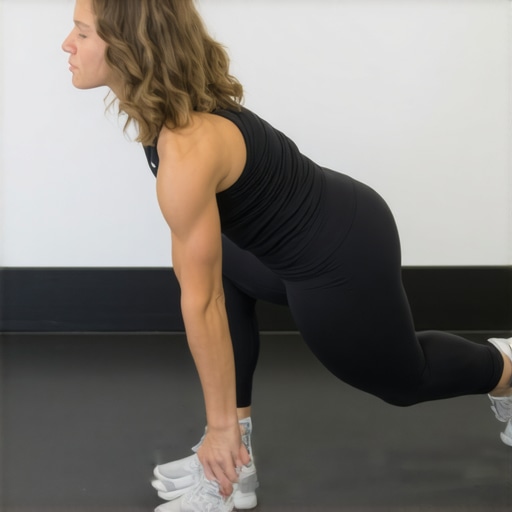
Lower your torso, maintaining the hinge, until your hands touch your shins or the floor. Don’t force the motion; go as far as your flexibility allows without compromising spine position. Think of it as a controlled, deliberate movement, similar to how precise chiropractic techniques correct misalignments.
Return with Power and Precision
Drive through your hips to stand back up, squeezing your glutes at the top. Maintain your core engagement throughout to prevent arching your lower back. It’s akin to how a well-executed chiropractic adjustment stabilizes your spine, leading to better movement and less pain.
Practice with Light Resistance and Incremental Progression
Begin with a dowel or light kettlebell held against your back, ensuring contact points stay consistent throughout. Gradually add weight as your movement becomes smoother. This stepwise approach ensures your body adapts without injury—similar to gradual rehab from a sports injury, supported by targeted chiropractic care for enhanced recovery.
Identify and Fix Faulty Patterns
Record yourself or perform mirror checks to observe the hinge. Notice if your back rounds or if your hips shoot up first—common errors that place undue stress on your lumbar spine. Correct these by consciously engaging your glutes and maintaining spinal neutrality. Akin to chiropractic adjustments, correcting these misalignments fosters healthier movement habits.
Integrate Into Your Workout Routine
Incorporate hip hinge practice into your warm-up or cool-down sessions. Consistency is key; even a few minutes daily reinforce proper mechanics and prevent injuries. Think of it as a core component of your long-term back health strategy, supported by lifestyle choices and proactive chiropractic care similar to managing back pain through healthy habits.
 Many people believe that chiropractic adjustments are a quick fix, akin to pressing a reset button for back pain. However, this misconception overlooks the complex, nuanced nature of musculoskeletal health. The truth is, many individuals get lost in the idea that a single adjustment can permanently resolve chronic issues, but research shows that sustained improvement often requires a comprehensive approach that integrates soft tissue work, movement retraining, and lifestyle modifications.
One common myth is that once you experience relief after an adjustment, you’re healed. In reality, without addressing underlying movement patterns or postural habits—like improper hip hinge techniques or prolonged sitting—the pain often returns. This is where a deeper understanding of the biomechanics involved becomes essential. For example, correcting faulty movement patterns can significantly enhance the effectiveness of chiropractic care and reduce recurrence rates.
Another trap many fall into is over-reliance on adjustments alone, neglecting the importance of strengthening and neuromuscular re-education. Incorporating specific exercises tailored to your unique needs can prevent future injuries and optimize recovery. Proven chiropractic strategies include not just spinal manipulation but also active interventions that retrain movement patterns.
What Are the Risks of Ignoring the Nuances in Back Pain Treatment?
Neglecting these subtleties can lead to a cycle of temporary relief followed by recurrent pain, often worsening over time. A critical error is assuming that adjustments alone are sufficient, overlooking that lifestyle factors like sedentary behavior or improper technique during physical activity are major contributors. Evidence suggests that combining chiropractic care with lifestyle interventions yields better long-term outcomes (long-term back health solutions).
Furthermore, pushing too hard to correct pain without understanding the root causes can risk over-manipulation, leading to ligament strain or joint instability. Chiropractors trained in movement science emphasize the importance of a holistic view, integrating soft tissue, joint mobility, and functional movement assessments.
Have you ever fallen into this trap? Let me know in the comments. Recognizing these nuances and avoiding common myths is key to transforming your approach from temporary fixes to lasting solutions. Continue exploring ways to optimize your back health by visiting this insightful resource.Maintaining a strong, pain-free back over the long term relies heavily on the right equipment and methods to support your efforts. I’ve personally integrated specific tools into my routine that have genuinely enhanced my recovery and helped sustain optimal movement patterns. For instance, I swear by using a high-quality lacrosse ball to release tight psoas muscles; this simple, targeted soft tissue work can prevent chronic hip and lower back issues, reminiscent of the strategies discussed in [the science behind chiropractic adjustments](https://motiontherapypro.com/the-science-behind-chiropractic-adjustments-for-back-pain-relief). Additionally, a durable foam roller helps me maintain my tissue elasticity, especially after intense training sessions, reducing muscle adhesions that could compromise spinal health.
Lessons That Transformed My Approach to Back Pain Recovery
- Realized that mastering the hip hinge was more impactful than endless squats, leading to a profound shift in my understanding of movement quality and injury prevention.
- Discovered that correcting subtle faults in my movement patterns could drastically reduce my reliance on frequent chiropractic adjustments, making my recovery more sustainable.
- Learned that integrating soft tissue work with movement retraining creates a synergy that amplifies healing, inspiring me to adopt a more holistic approach to back health.
- Found that sharing personalized insights helps build a community focused on genuine recovery rather than quick fixes, motivating me to continue exploring innovative strategies.
My Go-To Resources to Elevate Back Health and Performance
- The Science Behind Chiropractic Adjustments for Back Pain Relief: Provides a deep understanding of how interventions influence biomechanics, which has helped me refine my recovery processes.
- Boost Your Sports Rehab Journey with Proven Chiropractic Strategies: Offers practical, evidence-based techniques that I’ve incorporated into my routine for faster, more effective results.
- Discover How Chiropractic Adjustments Can Alleviate Chronic Back Pain: Explains how targeted adjustments complement movement techniques for long-term relief, inspiring my ongoing dedication to comprehensive care.
- Strategic Chiropractic Solutions for Long-Term Back Health: Encourages proactive measures, reinforcing the importance of movement and lifestyle modifications I now prioritize daily.
Your Back Future Starts Now — Take the First Step
Empowering yourself with the right movement habits and understanding is the key to sustainable back health. Implementing what you’ve learned about the hip hinge and integrating it into your routine can yield lasting benefits, transforming your approach from reactive to proactive. Remember, your journey toward a stronger, pain-free back isn’t just about one technique but about creating a lifestyle that supports long-term resilience. Are you ready to take these insights and make meaningful changes today? Your back will thank you for it.