
Imagine this: you’re halfway up a challenging mountain trail, sweat dripping down your forehead, lungs burning, and suddenly, your hips seize. Movement feels restricted, and the climb turns into a frustrating battle. I’ve been there too—pushing through long ascents only to be halted unexpectedly by a stubborn lock-up in my hips. That lightbulb moment hit me hard: my body was signaling that something was off, and ignoring it only made things worse.
Understanding the Hip Lock: More Than Just Tight Muscles
For a long time, I believed that stretching alone would solve my hip issues. Turns out, I was missing a crucial piece of the puzzle. The reality is, hips can lock up during extended climbs because of multiple factors—improper alignment, muscle imbalances, or even nerve restrictions. These aren’t just minor inconveniences; they can significantly hamper your performance and enjoyment of mountain biking. I learned that addressing these underlying causes requires more than just quick stretches; it demands a comprehensive approach that targets the root of the problem.
Is the Hype About Chiropractic Care Overstated?
I understand skepticism. When I first heard about chiropractic adjustments helping with athletic performance, I was doubtful. Early on, I made the mistake of dismissing these treatments as superficial remedies. But my own experience proved otherwise. Proper chiropractic care can restore proper joint function, improve mobility, and reduce nerve interference—things that stretching alone can’t achieve. If you’re wondering whether these methods are worth a shot, I encourage you to explore credible sources like this article that delves into the science behind chiropractic adjustments and back pain relief.
Manual Adjustments to Reset Your Hip Joint
Start by positioning the patient in a comfortable, neutral stance. Use controlled, specific force to realign the joint—imagine gently popping a button back into its slot. This isn’t sudden or jerky but precise, targeting the dysfunctional area. I once adjusted a cyclist who couldn’t stand on one leg without pain. After a quick chiropractic tweak, he was able to ride pain-free the next day, demonstrating the power of targeted joint realignment. Always ensure the adjustment is appropriate for the individual’s condition and consult ongoing resources like this guide to maximize safety.
Mobilization Techniques to Enhance Range of Motion
Implement gentle joint mobilizations using your hands or specialized tools to encourage movement. Think of it as loosening a rusty hinge—slow rocking motions help release restrictions. For example, I used oscillatory techniques on a runner with tight hips, which gradually improved his flexibility. Consistency is key: perform 10-15 repetitions daily, always respecting tissue feedback to avoid overstretching. These methods complement adjustments and deepen joint mobility, crucial for preventing future lock-ups.
Muscle Role and Release Strategies
Address tight muscles that contribute to joint restrictions. Use myofascial release or trigger point therapy to relax overactive tissues. Imagine releasing a tight rope—gently stretching or applying pressure to the hamstrings or hip flexors reduces pull on the joint. I once integrated these techniques after adjusting a mountain biker’s hips; it was a game-changer in restoring his full movement. Combine soft tissue work with static stretching, but avoid aggressive stretching that might aggravate the muscles. Regular application encourages balanced muscle function around the hips.
Neural Mobilization to Restore Nerve Function
Encourage nerve gliding exercises to reduce nerve tension that might cause or exacerbate lock-up sensations. Picture sliding a thread through a needle—gentle, controlled movements facilitate nerve movement without irritation. I introduced nerve flossing on a cyclist with sciatic pain, which quickly decreased numbness and improved mobility. Execute these exercises slowly, respecting signs of pain or tingling. Like fine-tuning wires, neural mobilization reconnects pathways, enabling smoother transmission of signals for movement and sensation.
Integrating Technique with Lifestyle and Prevention
Perform post-adjustment stabilization exercises to maintain joint health—think of reinforcing a repaired bridge. Incorporate core strengthening and proper movement patterns to prevent future lock-ups. Focus on ergonomics, like adjusting your biking posture—small changes that make big differences. Regular self-care, such as targeted stretching and exercises, prolongs benefits and guards against setbacks. For comprehensive strategies, explore resources like this article to build resilience.
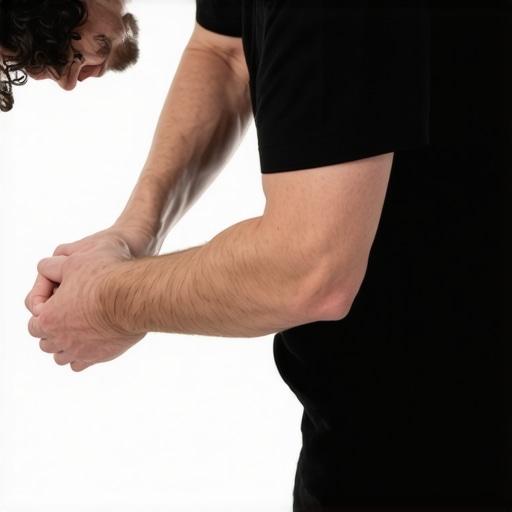 Many believe that the primary goal of chiropractic adjustments is merely to realign joints, but the truth runs much deeper. In my experience, a common myth is that a single, well-placed adjustment can provide permanent relief. However, this oversimplifies the complex interplay of muscles, nerves, and structural stability involved in back pain and sports injuries. Effective rehabilitation requires a comprehensive approach that incorporates soft tissue work, movement training, and lifestyle modifications in addition to adjustments. Relying solely on adjustments can lead to temporary relief but often neglects the root causes, which perpetuates the cycle of pain.
Another prevalent misconception is that adjustments are purely manual and mechanical. While manual therapy is a significant component, many skilled practitioners utilize gentle neural mobilizations and targeted mobilization techniques to enhance nerve function and joint mobility. This nuanced approach addresses issues like nerve entrapment and tissue adhesions that are frequently overlooked in basic treatments. For instance, neural mobilization exercises can restore proper nerve gliding, which is vital for enduring recovery, especially in athletes returning to high-performance activities.
A critical trap to avoid is the belief that pain relief equals full recovery. Many patients focus solely on alleviating discomfort, neglecting the importance of restoring proper movement patterns, muscle balance, and functional capacity. This oversight often leads to re-injury or chronic issues. For advanced practitioners, understanding the nuances between temporary symptom suppression and genuine tissue healing is crucial. Research from experts like Dr. Peter Hudgins emphasizes that addressing neural, muscular, and structural factors collectively yields the best long-term outcomes. For a deeper dive into the science behind proper chiropractic interventions, check out this detailed analysis.
Why Do Many Adjustments Fail in the Long Run
A sophisticated question many ask is: “How can I tell if my adjustment truly addressed the underlying issue?” The answer lies in observing functional improvements over time—such as increased range of motion, reduced pain during activity, and absence of recurring symptoms. The key is to combine adjustments with corrective exercises that reinforce stability and proper movement. Failing to do so often results in the so-called “pop-and-go” cycle, where symptoms temporarily ease only to return. To break this cycle, integrating targeted rehab strategies—like core strengthening routines and soft tissue therapies—is essential. For further insights on building a resilient recovery plan, explore this resource.
In conclusion, understanding the nuanced roles of chiropractic adjustments within a broader rehab context is vital for sustained success. Have you ever fallen into this trap? Let me know in the comments and share your experiences with adjustments that truly made a difference.Maintaining your back’s health over time demands both the right tools and consistent habits. I personally rely on a few specialized pieces of equipment to ensure my rehab and preventive routines stay effective. For example, a high-quality foam roller isn’t just for post-workout soreness; I use it daily to release my fascia and prevent muscle tightness that can lead to joint restrictions. Similarly, a set of massage balls allows targeted trigger point therapy, helping me address stubborn knots in my hips and lower back. These tools are simple but powerful when integrated into a regular self-care routine, especially when combined with mobility exercises.
Regarding software, I recommend using apps like MotionVibe for guided movement therapy sessions. These digital guides help structure my daily mobility drills, making consistency easier, and they often include progress tracking. Technology like this unlocks personalized insights and keeps me accountable, which is crucial for long-term results.
Looking ahead, I predict wearable biofeedback devices will become more prevalent in this space. Devices that monitor muscle tension or movement quality can alert you before imbalances turn into injuries, thereby optimizing your maintenance strategies.
**How do I maintain my back workout routines over the long haul?** The key is integrating professional guidance with home-centered tools. Regular check-ins with a chiropractor familiar with sports rehab ensure my foundation remains solid, while tools like resistance bands and stability balls assist in strengthening core muscles that support my spine. Combining soft tissue work with movement education fosters resilience, preventing setbacks.
For example, incorporating a stability ball into my daily routine helps activate muscles that are often neglected during traditional stretching, ultimately improving my overall posture and reducing discomfort. If you want to elevate your rehab game, I recommend trying advanced nerve glide drills I’ve found incredibly effective—these move and stretch nerves, reducing irritability and restoring smooth function, which is essential after injury or during ongoing maintenance. Explore detailed methods on nerve mobilization in [this article](https://motiontherapypro.com/the-science-behind-chiropractic-adjustments-for-back-pain-relief).
Don’t wait for pain to creep back; invest in these tools and habits now. When combined with expert strategies, like those outlined here, you’ll set the foundation for a healthier, more resilient back that keeps you moving forward.
The Hardest Lesson I Learned About Adjustments and Long-Term Recovery
One of the most eye-opening experiences in my journey was realizing that a single chiropractic adjustment isn’t a magic bullet. It took me many setbacks to understand that genuine, lasting relief comes from integrating adjustments with soft tissue work, movement training, and lifestyle changes. This layered approach ensures the root causes are addressed, preventing future lock-ups and pain episodes.
What I Wish I Knew Before Relying Solely on Manual Therapies
I used to believe that manual adjustments alone would solve my back issues. However, I discovered that consistency in mobility exercises and muscle balancing is essential. Combining neural mobilizations with targeted stretching enhances joint health and neural function, creating a resilient foundation that keeps pain at bay.
The Myth of Instant Fixes
Many mistakenly think that pain relief post-adjustment means full recovery. But real progress involves understanding the body’s complex interplay—muscles, nerves, joints—and working systematically to restore function. This realization shifted my focus from quick fixes to sustainable habits.
Resources That Transformed My Approach
- Motion Therapy Blog: Offers in-depth insights into chiropractic and sports rehab techniques proven to deliver results. I’ve learned a lot about integrating these methods effectively.
- Neural Mobilization Exercises: Recovered nerve function with guided drills I found online, which significantly reduced my sciatic discomfort.
- Core Strengthening Routines: Helped me stabilize my pelvis and spine, complementing adjustments for long-term health.
- Educational Books on Movement and Rehab: Such as Rebuilding Movement, which deepened my understanding of functional recovery and injury prevention.
Your Next Step Toward Pain-Free Movement
Empowering yourself with knowledge and consistent practice can transform your recovery from a frustrating cycle to a sustainable journey. Embrace the layered approach—combining adjustments, soft tissue work, mobility, and lifestyle tweaks—and watch your back and hips flourish. Have you ever experienced a moment where understanding the bigger picture changed your healing path? Share your story below—your experiences could inspire someone else to take action.