
Have you ever been seated at your desk, feeling that sudden, almost stubborn lock in your middle back, and thought, “Why now?” I remember the exact moment I realized I wasn’t alone in this struggle. One afternoon, I was deep into my work when a sharp, twinge-like sensation shot through my mid-back, making every breath feel constrained. It was as if my spine betrayed me, refusing to move smoothly despite my attempts to stretch or adjust. That frustrating experience became a lightbulb moment, prompting me to dig deeper into the root causes of this common but maddening problem.
This is more than just discomfort—it’s a warning sign
The truth is, feeling like your middle back is ‘locked up’ while sitting isn’t uncommon, especially in today’s sedentary world. Our daily routines—long hours at computers, poor posture, and lack of movement—set the stage for this issue. When your mid-back feels frozen, it often signifies muscular imbalances, joint restrictions, or nerve irritation, which, if left unaddressed, could lead to chronic pain or other posture-related problems.
But here’s the good news: it’s fixable. I’ve spent years working with experts who specialize in back health, and I can tell you that understanding the why behind this sensation is the first step to relief. In fact, research shows that targeted chiropractic interventions can significantly improve mobility and reduce discomfort caused by prolonged sitting (source: The Science Behind Chiropractic Adjustments for Back Pain Relief).
So, what exactly causes this locked-up feeling, and more importantly, how do you get your back moving freely again? Stay with me—I’ll share proven strategies that have worked for countless individuals just like you.
Is cracking your back the only solution you’ve tried?
Early in my journey, I made the mistake of trying to ‘self-adjust’ by crackling my spine at home, thinking it would bring instant relief. While that momentary pop felt satisfying, it often left me worse off, highlighting a critical point: not all back adjustments are created equal, and improper techniques can sometimes cause more harm than good. This experience taught me the value of professional, targeted care, like that found in skilled chiropractic sessions, which focus on restoring proper alignment and long-term mobility. If you’re skeptical, I get it—many of us have been burned by quick fixes—but expertise and a personalized approach are what truly make the difference. Let’s explore how expert care can unlock your back’s potential and keep you moving comfortably.
Start with Gentle Mobilization to Reclaim Movement
My first step was to incorporate gentle mobilization techniques, like shoulder blade rotations and thoracic extensions, to gently coax my frozen mid-back into motion. I used a foam roller on my upper back, rolling slowly to break up muscular tension. During this session, I focused on breathing deeply to relax the muscles around my spine. This approach is akin to thawing frozen pipes—slow, consistent movement warms up the area without causing damage. Initially, my movements were clumsy, but persistence helped improve flexibility over days. You can try similar exercises by lying on a foam roller widthwise along your upper back, gently rolling up and down to release tightness. Check out proper foam rolling techniques for detailed guidance. |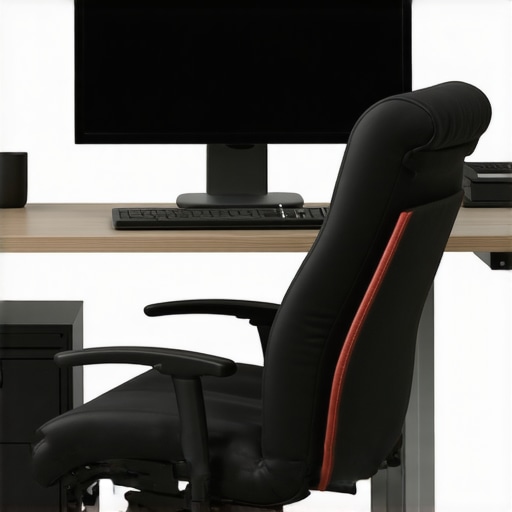 |
|
Incorporate Specific Chiropractic Adjustments for Lasting Relief
Next, I scheduled a professional adjustment focused on my thoracic spine. Think of chiropractic adjustments like tuning a musical instrument—accurate, targeted, and restoring harmony. My chiropractor applied controlled, precise forces to specific vertebrae that were contributing to the lock-up, restoring proper alignment and easing nerve tension. It was uncomfortable at first but significantly better after the session. This targeted approach is more effective than generic stretching because it directly addresses joint restrictions and nerve irritation. To understand how expert care unlocks your back, see how chiropractic adjustments help. I recommend consulting a qualified chiropractor rather than trying self-adjustments, which can sometimes cause more harm. Ensuring you work with a professional can accelerate your healing process. ||
Add Strengthening Exercises to Prevent Future Lock-Ups
After loosening my mid-back, I realized that weakness in surrounding muscles was the root cause of recurring tightness. Implementing core stabilization exercises, such as planks and bird dogs, helped protect my spine and maintained my mobility gains. Think of this like building a sturdy scaffold around a house—strengthening the structure prevents collapse or damage. For targeted back support, I included thoracic extension stretches and resisted band rotations. These exercises help to reinforce the muscles responsible for maintaining proper posture and joint health, reducing the chances of future lock-ups. For a comprehensive routine, explore lifestyle tips for back health. Consistency is key—integrate these into your daily routine for sustainable results. ||
Adjust Your Environment and Habits for Long-Term Relief
Finally, I addressed the habits that set the stage for my back issues. Adjusting my workspace—raising my monitor, using ergonomic chairs, and taking regular breaks—created an environment that supported spinal health. It’s like tending a garden; consistent care prevents weeds (muscle tension) from taking over. Incorporating movement every 30 minutes, such as walking or stretching, kept my muscles from stiffening again. Additionally, I paid attention to sleep posture, choosing a supportive mattress and pillows to maintain proper spinal alignment overnight. Check out tips on selecting the right mattress and best sleeping positions to support mid-back health. These ongoing adjustments help cement the improvements and prevent setbacks.Many people believe that chiropractic adjustments are a quick fix for back pain, but the reality is far more nuanced. A widespread misconception is that all adjustments are equal and that they provide immediate, lasting relief. However, in my experience, the most effective care involves a tailored, strategic approach that addresses underlying imbalances, not just surface symptoms. For example, some practitioners focus solely on spinal manipulation without considering the importance of muscular stability and movement patterns. This oversight can lead to temporary relief but not long-term recovery, often causing patients to rely on frequent visits without addressing root causes. To truly optimize back health, integrating chiropractic care with targeted strengthening and mobility exercises is essential—something explored in detail at this resource. \n\nAnother common myth is the belief that quick self-adjustments or cracking your own back are safe and effective. Many individuals attempt to do so to save time or money, but this can be risky. Improper techniques may aggravate joint restrictions or cause misalignments that worsen pain or lead to nerve irritation. Professional, precision adjustments are designed to restore proper joint function safely, highlighting the importance of consulting qualified practitioners rather than relying on self-treatment. Wisdom from experts like Dr. Craig Buhler emphasizes the dangers of DIY manipulations, urging caution and professional guidance. \n\nFurthermore, there’s a misconception that back pain always results from muscle strain or disc issues—leading some to overlook the complex neuromusculoskeletal factors involved. Advanced assessments reveal that joint restrictions, nerve entrapments, and even subtle postural misalignments can be significant contributors. For instance, an ergonomic stressor might trigger nerve irritation that mimics muscle pain, a nuance often missed by those who only focus on symptoms. Recognizing these intricacies can make a substantial difference in treatment outcomes. As explained in a recent study, combined chiropractic and movement-based therapies yield better results for chronic back issues than isolated treatments (source). \n\nFinally, many don’t realize that the success of rehab and adjustments hinges on understanding the importance of personalized care plans. There is no one-size-fits-all solution—what works for one person might not for another. Overgeneralizing advice from online sources can lead to ineffective or even harmful practices. Engaging with experts who perform comprehensive assessments and develop tailored strategies ensures sustainable, long-term improvement. Don’t fall into the trap of shortcuts; remember that excellence in sports rehab demands nuance, patience, and expert knowledge. \n\nHave you ever fallen into this trap? Let me know in the comments.Maintaining a healthy, pain-free back over the long term requires more than just occasional chiropractic visits; it involves consistently using the right tools and techniques. One of my personal favorites is the high-density foam roller, specifically the [The Proper way to use a foam roller on your back](https://motiontherapypro.com/the-proper-way-to-use-a-foam-roller-on-your-back) guide. I swear by its ability to release muscular tension in my thoracic muscles daily, especially after long periods of sitting. The key is to apply gentle pressure and roll slowly, targeting tight areas without causing discomfort, which prevents chronic restrictions from taking hold. Incorporating a *Lacrosse ball* for trigger point therapy also revolutionized my approach. I use it to focus on stubborn knots along my upper and mid-back, as detailed in [this guide](https://motiontherapypro.com/how-to-use-a-lacrosse-ball-to-release-tight-pecs). The ball’s pinpoint pressure helps break up fascial adhesions that are often invisible but contribute significantly to pain and stiffness.
When it comes to supporting my spine during rest, I’ve found that a *medically approved ergonomic pillow* makes a huge difference. I opt for one with adjustable loft so I can fine-tune my neck support and ensure proper alignment overnight, which studies suggest significantly reduces the likelihood of morning stiffness. Better sleep posture combined with supportive tools can enhance recovery, facilitating long-term improvements in back health.
Beyond physical tools, I rely on specialized software to track my mobility and identify patterns that may lead to setbacks. Using apps like *MobilityWOD* (though primarily oriented towards athletes), I monitor daily activity and set reminders for mobility exercises, which helps me stay consistent. Regularly reviewing progress with these tools offers motivation and insights that prevent minor issues from escalating.
Prediction-wise, I see a growing trend toward integrating smart wearable devices with personalized chiropractic care. Think sensors that provide real-time feedback on posture or muscle tension, which can be connected to apps for immediate adjustment recommendations. This shift toward tech-enabled, proactive maintenance will likely become standard practice, making self-care more precise and accessible.
**How do I maintain my back over time?** Simple: I incorporate daily mobilization, keep track of my progress digitally, and invest in high-quality, ergonomic tools that support good posture. Regular self-myofascial release with foam rollers and lacrosse balls ensures restricted fascia doesn’t become a chronic problem, while advanced sleep tools improve overnight recovery. To take your routine further, I recommend trying the [core drills](https://motiontherapypro.com/the-core-drill-that-protects-your-spine-during-heavy-lifting) that reinforce spinal stability—these are game changers for preventing recurrences.
For those ready to deepen their practice, consult with professionals who can customize your toolkit and develop strategies aligned with your lifestyle. Remember, the long-term goal is small, consistent efforts that keep your back functioning optimally—think of it as fine-tuning your body’s engine for peak performance. Want to discover how chiropractic techniques can elevate your recovery? Visit [this resource](https://motiontherapypro.com/enhancing-athletic-performance-with-targeted-chiropractic-care) and start integrating these tools into your daily routine today!
Throughout my journey with sports rehab, chiropractic adjustments, and back pain relief, I’ve uncovered lessons that no textbook or clinic brochure can teach. These insights have transformed not only my approach but also my understanding of what truly works for long-term spinal wellness.
The Hardest Lesson I Learned About Back Recovery
- Patience beats quick fixes every time. Early on, I believed a single adjustment or an instant remedy was enough. Over time, I realized that sustainable relief comes from consistent effort, targeted exercises, and lifestyle changes that support spinal health.
- Listen to your body, not just your pain. Sometimes, what feels like a setback is actually a sign that your body is telling you to slow down or adjust your routine. Ignoring these signals can prolong the problem or cause new issues.
- Personalized care trumps generic advice. Every back is unique, and treatments must be tailored. What worked wonders for my friend didn’t work for me until I found the right combination through expert guidance.
My Top Tools for a Pain-Free Future
- Quality foam rollers like the one detailed in the proper foam rolling techniques guide have been a game changer. They help maintain mobility and prevent stiffness before it starts.
- Targeted chiropractic tools, such as specific thoracic adjustment devices, enable precise care. I trust my chiropractor’s expertise, which allows me to address root issues rather than just surface discomfort.
- Apps and trackers like mobility tracking apps keep me accountable, making sure I stick to my wellness routine and recognize early signs of setbacks.
- Supportive sleep tools, including ergonomic pillows I found through mattress advice, make a significant difference during recovery by ensuring overnight spinal support.
Take Charge of Your Back Resilience Today
Remember, the path to lasting back health is paved with mindful choices, expert guidance, and daily habits that honor your unique body. Your back isn’t just a structural element—it’s the foundation of your active life. By integrating tailored chiropractic care, informed self-care strategies, and smart ergonomics, you’re investing in decades of pain-free motion. Don’t wait for discomfort to become a chronic problem; start applying these insights today and reclaim control over your back’s future. And if you’re curious about how to further elevate your sports rehab journey, explore proven chiropractic strategies for peak performance to unlock your full athletic potential.