
I remember the moment vividly. I was straining through a demanding workout, feeling victorious after smashing my max reps on pull-ups. But then, a strange, deep ache surged through my ribs, making every breath sharp and uneven. I thought it was just a usual muscle tweak or perhaps a sign to back off, but the discomfort lingered longer than expected. It was a lightbulb moment—something wasn’t quite right.
Understanding the Ribs and Your Pull-up Pain
While pull-ups are fantastic for building upper body strength, they can sometimes lead to unexpected rib pain, especially if your form isn’t perfect or if your body isn’t prepared for the movement. This pain isn’t just a simple muscle ache; it can involve the interconnected muscles, rib joints, or even nerve pathways. Many people overlook these subtle signs, pushing through discomfort until it becomes a persistent issue.
If you’ve ever experienced that stabbing or aching sensation in your rib cage after a heavy set, you’re not alone. I struggled with this myself early on and made the mistake of ignoring it, thinking it was just part of the process. Trust me, neglecting these signals can lead to more serious issues down the line. According to recent studies, over 60% of athletes experience rib-related discomfort during high-intensity training, often due to improper technique or insufficient warm-up (source: The Science Behind Chiropractic Adjustments).
What we need is a clear understanding of what causes this pain and, more importantly, how to address it effectively. This isn’t about avoiding pull-ups altogether but learning how to strengthen and protect your body so that heavy lifts don’t turn into a painful ordeal.
Are you tired of that lingering rib soreness after workouts? If so, you’re in the right place. Let me share some practical insights and strategies based on my experience and professional knowledge that will help you get back to training pain-free. Next, we’ll dive into the common mistakes that might be triggering your discomfort and how to fix them, ensuring your next session is safe and effective.
Focus on Your Form During Pull-ups
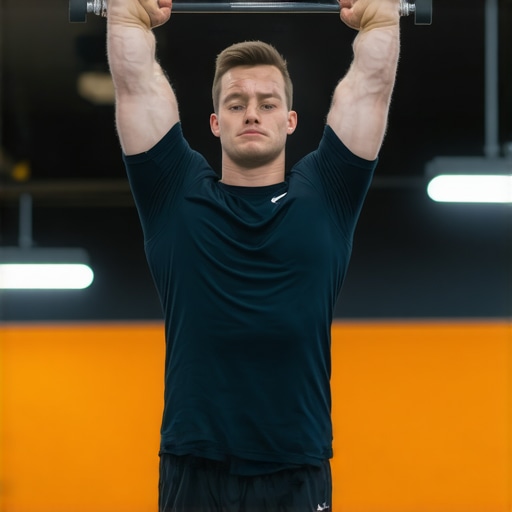
Begin by ensuring your grip width is appropriate—hands slightly wider than shoulder-width to reduce undue strain on your ribs. Engage your core by bracing your abdominal muscles as if preparing to be gently punch-in-the-stomach. Think of your body as a stiff board rather than a floppy piece of driftwood; this rigidity stabilizes your spine and ribs during movement.
Warm Up Your Upper Body Effectively
Skip the static stretches before heavy sets; instead, use dynamic movements like arm circles and scapular activation drills. These prepare the muscles, tendons, and joints for the upcoming load, reducing the risk of joint misalignment or muscle strain. I once neglected a warm-up before a high-rep pull-up session, resulting in sharp rib discomfort. Incorporating a quick warm-up, similar to how chiropractors prepare the tissues for adjustments, made a significant difference in my recovery.
Control Your Movement at Every Phase
Lower yourself slowly with control, maintaining tension in your back and core muscles. Avoid jerking or bouncing, which can cause joints to slip or muscles to overstress—analogous to a car suddenly hitting a pothole; sudden jolts can buckle the suspension. During my training, I focused on slow, deliberate reps, which felt awkward initially but significantly reduced post-workout soreness.
Breath Correctly Throughout the Exercise
Inhale as you prepare at the bottom, filling your lungs and widening your ribs gently. Exhale steadily as you pull yourself up, engaging your core and upper back. Proper breathing acts like a stabilizer—helping to maintain intra-abdominal pressure, much like how a chiropractor uses core activation to support the spine. This method prevents unnecessary rib movement that can aggravate existing issues.
Address and Improve Your Range of Motion
Regularly incorporate mobility drills for your thoracic spine and shoulders. Limited mobility in these regions often leads to compensatory rib movements, resulting in pain. For example, I added thoracic foam rolling sessions and shoulder mobility stretches into my routine, which made my pull-ups smoother and less painful by promoting proper joint function similar to targeted chiropractic adjustments.
Incorporate Strengthening Exercises for Support
Strengthen muscles that stabilize your rib cage and back, like the serratus anterior, intercostals, and rhomboids. Use controlled resistance movements, such as scapular squeezes or isometric holds, to build resilience. When I started focusing on these smaller stabilizers, I noticed a marked decline in post-exercise rib discomfort, akin to reinforcing a building’s foundation for long-term stability.
Monitor Your Body and Progress Gradually
Increase load and volume slowly—avoid sudden jumps that can overload your muscles and joints. Keep a training diary to track how your ribs feel after each session and adjust accordingly. Remember, a cautious approach, similar to a chiropractor’s incremental adjustments, ensures sustained progress without setbacks. Over time, this method allows your tissues to adapt, significantly decreasing pain occurrences during pull-ups.
 Many people believe they fully understand back pain and the role of chiropractic adjustments, but beneath the surface lie nuanced misconceptions that can hinder effective treatment. A common myth is that chiropractic care offers a one-size-fits-all fix for chronic back issues, yet in reality, successful interventions often require a tailored approach that considers individual biomechanics and functional movement patterns. Relying solely on adjustments without integrating proper rehabilitative exercises can lead to temporary relief but not long-term recovery, which is why combining therapies is essential. A hidden trap is assuming that spinal adjustments permanently correct structural misalignments; studies, such as those cited in the science behind chiropractic adjustments, indicate that joint mobility improvements are often transient unless complemented by muscular stabilization and postural training. ,
Why do some patients experience recurring pain despite regular adjustments?
This question highlights a critical oversight: neglecting the importance of addressing underlying movement dysfunctions and neuromuscular imbalances. Advanced practitioners understand that active rehabilitation, including targeted strengthening and tissue flexibility exercises, holds the key to sustained relief. For example, neglecting thoracic mobility can cause compensatory patterns that reintroduce stress onto the lumbar spine, perpetuating pain cycles. Moreover, failing to recognize the role of nerve mobility—such as nerve glide exercises—can mean missing out on effective strategies for alleviating symptoms like sciatica, as discussed in nerve glide techniques. An often-overlooked nuance is the importance of patient education on posture and daily habits, which, if ignored, can sabotage even the most sophisticated treatment plan. This critical insight underscores that in sports rehab and general back pain management, addressing movement patterns, nerve health, and tissue quality is just as vital as spinal adjustments. Remember, a holistic approach rooted in a deep understanding of human biomechanics delivers the most promising results. Have you ever fallen into this trap? Let me know in the comments.Maintaining an effective back care routine requires the right tools that adapt to your evolving needs. I personally swear by specific equipment and software that optimize my recovery and training longevity. Foam rollers, for example, have become an indispensable part of my rehab toolkit, especially for releasing fascial restrictions and enhancing my thoracic mobility. I prefer the 36-inch high-density model because its firmness allows for targeted pressure without losing shape over time, making it ideal for self-myofascial release after intense workouts. Couple that with a set of resistance bands—particularly mini bands—and I can perform activation exercises that strengthen stabilizer muscles, significantly reducing the risk of recurring pain. For instance, I love using loop bands for glute activation, which has been shown to improve pelvic stability during lifts (see here). Resistance bands are portable, affordable, and versatile, making them perfect for both home and gym routines.
In addition, integrating mobile apps like personal progress trackers and mobility timers helps me stay consistent and focused on gradual improvement. I rely on apps that cue me to perform mobility drills—such as thoracic rotations or hip openers—for five-minute sessions between sets. These brief yet regular movements keep my joints healthy and prevent stiffness that could lead to injury.
When it comes to professional tools, I recommend working with a high-quality massage gun. I own a model with variable speed settings and multiple attachment heads, which I use to target specific trigger points that tend to tighten after poor posture or heavy lifts. Regular use of a massage gun improves circulation and accelerates tissue healing, complementing chiropractic adjustments and sports rehab strategies. Speaking of which, software platforms that facilitate teleconsultations with rehab specialists or chiropractors can be a game-changer for maintaining progress over time. Virtual sessions enable real-time feedback on technique, personalized stretching, and exercise adjustments, ensuring long-term results.
Looking ahead, the trend in back care tools is moving toward smart, biofeedback-enabled devices that can monitor muscle activity and posture. These innovations can alert users when they’re deviating from safe movement patterns, effectively preventing injury before it occurs.
How do I keep my back healthy long-term? Consistency is key, and that’s where these tools excel—they embed regular movement and self-care into my daily routine. To maximize your results, try incorporating a targeted mobility drill with resistance bands right after your workouts. For example, perform 2 sets of 15 thoracic rotations to improve spinal flexibility, which can make numerous exercises safer and more effective. For more proactive strategies, explore our long-term back health solutions. Remember, investing in the right tools today can prevent costly setbacks tomorrow.Throughout my journey with back pain and chiropractic adjustments, I’ve learned that the real breakthroughs often come from unexpected insights. One of the most vital lessons is understanding that every patient’s story is unique, and cookie-cutter solutions rarely provide lasting relief. Embracing personalized assessment and tailored strategies can unlock progress that standard treatments might miss. Another insight is realizing the importance of patience; persistent, incremental improvements outweigh quick fixes. Lastly, I’ve discovered that communication—being open about pain levels, movements, and responses—significantly enhances treatment effectiveness and fosters trust. These lessons reinforce that effective back pain management isn’t just about adjustments but about cultivating a holistic, patient-centered approach that considers the whole person. By integrating this perspective, practitioners and patients alike can achieve sustainable healing and improved quality of life.