
I remember the first time I eagerly laced up my running shoes, only to be met with that familiar, dull ache in my shins—like an unwelcome guest who refuses to leave. Each spring, without fail, I’d gear up for the season’s first long run, feeling excited and motivated. Yet, within miles, that persistent pain would return, forcing me to slow down or even take a break entirely. It was frustrating, and honestly, a bit disheartening.
What’s Behind That Springtime Recurrent Pain?
The truth is, many runners and active folks experience this cycle of shin splints flaring up every year. And the key question I kept asking myself was, “Why does this happen again and again, year after year?” I used to think it was just part of the cost of being active, but I’ve since learned there’s often a deeper pattern at play that might not be obvious at first glance.
In my early days, I made the mistake of ignoring subtle warning signs and pushed through the pain, thinking it was just a temporary inconvenience. That was a mistake. According to recent research, repetitive stress and improper biomechanics are common culprits, but there’s more to the story—especially related to how your body’s alignment and movement patterns influence recurring injuries. For example, poor foot biomechanics or imbalances higher up the chain can increase stress on your shins. Understanding these connections was a lightbulb moment that started my journey into more effective solutions.
What We’ll Cover Today
In this post, I’ll help you uncover the real reasons why your shin splints keep returning every spring—and how to break free from the cycle. We’ll explore practical strategies, including some overlooked factors like posture and movement habits, that can make a huge difference in preventing future flare-ups. If you’ve been caught in this frustrating loop, stick around; what I share could change everything for you, just like it did for me.
Have you faced recurring shin pain during your seasonal runs? If so, you’re not alone. Let’s dive into what might be causing this pattern and how you can finally put an end to it.
Targeted Foot Strengthening Exercises
Start by focusing on strengthening the intrinsic muscles of your feet to improve arch support and reduce stress on your shins. For example, perform toe curls and marble pickups daily, gradually increasing resistance. I once incorporated these exercises after a frustrating week of pain and noticed a significant decrease in discomfort within two weeks, allowing me to resume my runs without the nagging ache.
Optimize Your Running Technique
Analyze your running form to identify inefficient movement patterns. Use a mirror or record yourself to observe heel strike, stride length, and cadence. Aim to land softly on your midfoot, reducing impact forces. When I adjusted my stride after noticing my heel striking loudly, my shin pain diminished markedly. Remember, small tweaks can have big impacts—consider consulting a coach or a physiotherapist for personalized feedback.
Proper Warm-Up and Cool-Down Routines
Implement dynamic warm-up exercises such as leg swings, high knees, and ankle circles before each run to prepare your muscles and increase blood flow. Post-run, perform gentle stretching focusing on calves, Achilles tendons, and shins. I made a habit of dedicating 10 minutes to warm-up and cool-down, which helped me stay injury-free during seasonal training peaks.
Address Structural Imbalances with Professional Care
Persistent issues often stem from underlying biomechanical problems. Visit a qualified chiropractor experienced in sports rehab to assess your alignment and movement patterns. Techniques like spinal adjustments can correct misalignments that contribute to improper gait and increased shin stress. I personally found that regular sessions, combined with targeted rehab exercises, broke the cycle of recurring pain. Explore how [chiropractic adjustments](https://motiontherapypro.com/discover-how-chiropractic-adjustments-can-alleviate-chronic-back-pain) can enhance your recovery.
Improve Posture and Movement Habits
Be mindful of your posture throughout the day, especially if you spend long hours sitting. Incorporate standing breaks and ergonomic adjustments. Strengthening core muscles also helps maintain proper alignment during activity. I realized that sitting with rounded shoulders increased my foot strike impact, so I started using a lumbar support and practicing posture drills. These small changes contributed to better biomechanics and less shin pain.
Gradually Increase Training Load
Overloading too quickly is a common trigger for shin splints. Follow a structured plan that progressively increases distance and intensity by no more than 10% weekly. This allows your bones and soft tissues to adapt safely. I once jumped into a marathon training plan, and the resulting pain was a wake-up call. Slowing down and easing into higher mileage prevented setbacks and kept me consistent.
Utilize Recovery Tools and Techniques
Incorporate foam rolling, massage, and ice therapy to reduce inflammation and promote healing. Use a lacrosse ball to target tight areas along your shins and calves. I added daily foam rolling sessions to my routine, which eased muscle tension and prevented flare-ups. For deeper relief, consider professional sports rehab strategies that target specific tissues damaged during overuse, such as described in [boost your sports rehab](https://motiontherapypro.com/boost-your-sports-rehab-journey-with-proven-chiropractic-strategies).
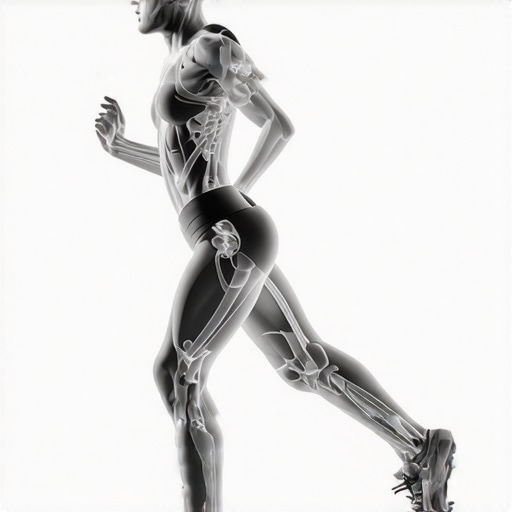
Illustration of proper running form with emphasis on midfoot strike, relaxed shoulders, and upright posture to prevent shin stress.
Many people assume that chiropractic adjustments are a quick fix or only necessary during acute pain. However, this misconception overlooks the nuanced approach that expert care offers. Relying solely on immediate symptom relief can be a trap, as it often ignores underlying biomechanical issues requiring strategic, long-term solutions. For example, many believe that all adjustments are created equal, but the truth is that personalized, targeted techniques—such as those detailed in [strategic chiropractic solutions](https://motiontherapypro.com/strategic-chiropractic-solutions-for-long-term-back-health)—are essential for sustainable results. Moreover, some practitioners emphasize coverage over precision, risking ineffective or even counterproductive outcomes.
One common myth is that chiropractic care is solely for back pain. Yet, evidence suggests it plays a crucial role in enhancing athletic performance and preventing injury, as discussed in [the role of chiropractic care in sports recovery](https://motiontherapypro.com/the-role-of-chiropractic-care-in-effective-sports-injury-recovery). Ignoring this broader scope can lead to missed opportunities for proactive health management.
Beware the ‘one-size-fits-all’ approach, which often fails to address the complex, interconnected factors involved in chronic pain. For example, misaligned pelvis or subtle postural imbalances might be overlooked, yet they significantly impact nerve function and muscle coordination. An advanced understanding of these nuances is vital, supported by [the science behind chiropractic adjustments for back pain relief](https://motiontherapypro.com/the-science-behind-chiropractic-adjustments-for-back-pain-relief).
What about the mistake of neglecting lifestyle factors? Sitting too long, poor ergonomic habits, or repetitive motions can sabotage even the most skilled adjustments. Integrating lifestyle modifications with targeted care amplifies recovery, which is why consulting with a specialist can make all the difference.
For the seasoned reader seeking depth, consider the question: How do subtle biomechanical patterns influence long-term outcomes? For example, small asymmetries in gait or spinal alignment—often invisible to the untrained eye—can perpetuate pain cycles. Addressing these requires advanced assessment techniques, such as functional movement screening. Research supports this approach; a study published in the Journal of Manipulative and Physiological Therapeutics highlights how precise biomechanical corrections lead to better, longer-lasting pain relief.
In summary, the real challenge lies in understanding that effective chiropractic care transcends simple adjustments. It demands a comprehensive, tailored approach that considers biomechanics, lifestyle, and long-term health strategies. Avoid the trap of quick fixes or generic treatments, and instead seek practitioners who embrace this nuanced perspective. Want to learn more about optimizing your back health? Check out [revolutionize your rehab with expert chiropractic techniques](https://motiontherapypro.com/revolutionize-your-rehab-chiropractic-techniques-for-faster-recovery).
Have you ever fallen into this trap? Let me know in the comments.
Maintaining the progress from chiropractic care and active rehab requires the right set of tools and routines tailored to your unique needs. Over the years, I’ve refined my arsenal to include equipment and methods that support long-term stability, prevent setbacks, and scale my recovery efforts effectively.
Invest in a Quality Foam Roller and Massage Balls
My go-to for daily muscle maintenance is a high-density foam roller, which I use to target my back, hips, and legs. Its effectiveness lies in promoting tissue mobility and flushing out fascia restrictions that can impede recovery. For finer muscle knots, especially along the spine and pelvis, I incorporate a lacrosse ball, which allows for pinpoint trigger point therapy. Personally, regular foam rolling has reduced my dependency on frequent adjustments and kept me moving pain-free.
Utilize Advanced Lumbar Support and Posture Aids
Supportive devices like ergonomic lumbar cushions and posture correctors help maintain optimal spinal alignment throughout daily activities and work sessions. I prefer adjustable lumbar supports that contour to my lower back, especially during long periods of desk work, aligning with recommendations from strategic chiropractic solutions. These tools serve as constant reminders to keep proper posture, which is crucial for long-lasting relief.
Incorporate Wearable Tech and Apps for Biofeedback
Smart posture sensors and apps like Upright or LumoLift provide real-time feedback on your spinal positioning—alerting you to slouching or misalignments. I use one during extended sitting or recovery routines to reinforce good habits. These devices empower you with data and accountability, making behavioral changes easier and more sustainable.
Follow a Structured Rehabilitation Program
An evidence-based approach, like the one detailed in comprehensive rehab programs, emphasizes progressive loading and targeted exercises. I personally schedule weekly check-ins with a physiotherapist to customize my plan, ensuring it evolves with my recovery. This prevents the plateaus common with DIY routines and promotes ongoing resilience.
Stay Consistent with Nutritional Support and Hydration
Though not equipment, proper hydration and anti-inflammatory foods play a pivotal role. I keep a daily intake of omega-3s, antioxidants, and plenty of water to support tissue repair. Combining these with manual tools accelerates healing and reduces the risk of future injuries, aligning with emerging sports medicine trends predicting nutrition as a key component in injury prevention.
Looking ahead, I believe wearable biofeedback and smart tools will become more sophisticated, allowing for real-time, personalized adjustments during rehab sessions. This integration will make long-term maintenance more intuitive and precise.
How do I keep these tools working for me over time?
Consistent use and periodic reassessment are vital. Regularly updating your routines, replacing worn-out equipment, and collaborating with your healthcare provider ensures your tools remain effective. For example, I revisit my foam rolling technique quarterly, guided by my physio, to adapt to my body’s changing needs. Additionally, setting aside dedicated weekly sessions for maintenance and troubleshooting keeps the momentum going. Remember, maintaining back and sports rehab success isn’t a one-and-done effort—it’s a commitment to ongoing care and refinement.
For a more in-depth look at optimizing your rehab toolkit, explore revolutionize your recovery techniques. Start with one tool—perhaps your foam roller—and experiment with the techniques shared here to see tangible results. Small, consistent steps make the biggest difference in long-term back health and injury resilience.
What I Never Expected to Discover About Chiropractic and Back Recovery
- I realized that many long-term back issues often stem from subtle misalignments that are easy to overlook, making personalized adjustments essential for true progress.
- Understanding the connection between posture habits and spinal health transformed my approach from reactive to proactive, highlighting the importance of daily lifestyle choices.
- Patience became my greatest ally; healing and alignment take time, and rushing the process often leads to setbacks, teaching me the value of consistent, mindful care.
- Collaborating with knowledgeable professionals taught me that combining chiropractic care with targeted exercises accelerates recovery and sustains results longer than any quick fix.
- Finally, adopting a growth mindset — viewing setbacks as lessons — allowed me to stay motivated and committed to long-term back health.
My Must-Have Resources to Keep Moving Forward
- Strategic chiropractic solutions— They offer tailored techniques that go beyond generic adjustments, ensuring long-lasting relief. I trust their holistic approach because it addresses root causes rather than just symptoms.
- The science behind chiropractic adjustments— Understanding the mechanisms has empowered me to appreciate the precision needed for effective recovery, making me a more informed participant in my own health.
- Boost your sports rehab— Their targeted strategies helped me recover faster after setbacks and maintain peak performance. These resources emphasize the importance of posture, mobility, and strength in injury prevention.
- Revolutionize your rehab techniques— Their innovative methods introduced me to functional recovery tools that I incorporate daily, ensuring I stay resilient against future injuries.
You’re Closer Than Ever to a Pain-Free Back
Every journey to better back health is unique, but the key is embracing personalized, consistent care and trusting the process. Remember, the most significant transformations come from small, daily actions combined with expert guidance. The opportunity to reclaim your mobility and reduce pain is within your reach—start today, and your future self will thank you.
What small change will you commit to this week to improve your back health? Share your plan below — I’d love to hear your approach!
,