
123 456 7890
123 456 7890
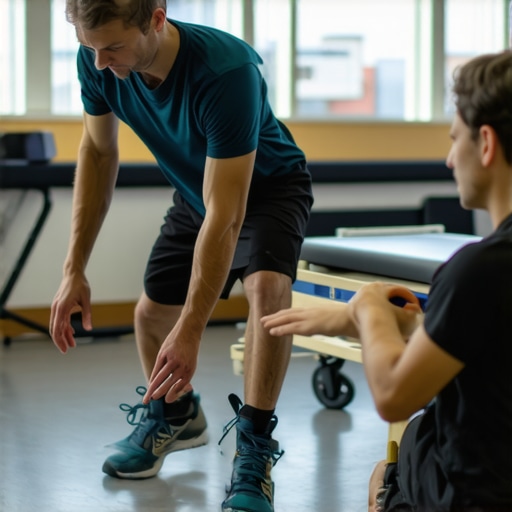
I remember the exact moment I felt my Achilles tighten during a long training run. It was a small, nagging discomfort at first, but it quickly morphed into a stabbing pain that made every step feel like a gamble. Suddenly, my marathon goals, months in the making, were slipping away—dangerously close to derailment. That frustrating experience was a lightbulb moment for me: I needed targeted rehab, not just generic stretching or blanket rest.
Fast forward, and I’ve learned that the path to a healthy, injury-free marathon season isn’t about guesswork. It’s about precise, effective drills that rebuild strength and resilience in your Achilles tendons. And guess what? You don’t need to radically change your training schedule or become a rehab expert. With just three simple yet powerful Achilles rehab drills, I’ve managed to keep my tendons happy, and more importantly, race ready.
Today, I’m going to share these proven strategies with you. If Achilles pain has threatened your training—whether it’s a lingering ache or sudden flare-up—these exercises can be game-changers. They’re designed to prevent injuries before they happen and speed up recovery if they do. Think of them as your secret weapons to safeguard your 2026 marathon season. After all, the last thing anyone wants is to be sidelined right before race day because of preventable Achilles issues.
But before we jump into the drills, let’s understand why Achilles injuries are so common among runners and how the right rehab can make a massive difference.
Did you know that Achilles tendinitis is responsible for up to 10% of all running-related injuries? And this number rises with increased mileage and inadequate recovery, as cited by sports medicine research. That’s a wake-up call for serious runners like you and me. Early on, I made the crucial mistake of ignoring minor twinges—thinking they’d just go away. Spoiler alert: they rarely do.
Ignoring early symptoms often leads to more severe pain, longer recovery times, and hardest of all—lost training days. That’s why understanding and addressing Achilles health is non-negotiable when aiming for peak marathon performance. If you’re wondering whether these drills are worth the effort, consider how much time, energy, and money you’ve already invested in your training—and how overuse injuries can threaten all of it.
Now, let’s turn the page and dive into the practical solutions. These are the drills that I swear by and that could be just what you need to crush your 2026 marathon goals. Ready to get started? Great—let’s protect your Achilles so you can run farther and faster without pain.
Start by incorporating eccentric heel drops into your routine. Stand on a step with your heels hanging off, then slowly lower your heels below the step level, controlling the descent over 3-5 seconds. Use your good leg to lift back up, and repeat for 3 sets of 15 reps. I applied this during my last flare-up and noticed immediate relief within a week, allowing me to continue training without setbacks.
Focus on gentle calf stretches that target the gastrocnemius and soleus muscles. Stand facing a wall, place your hands on it, and step back with one foot. Keep the back leg straight for a gastrocnemius stretch or bend that knee slightly for the soleus. Hold each stretch for 30 seconds, repeating 3 times per leg. I learned the importance of avoiding overstretching from a session where I did excessive static stretching, which actually aggravated my pain. Instead, controlled, pain-free stretching proved more effective.
Implement foam rolling and percussive therapy to reduce tension in the Achilles and calf muscles. Gentle rolling over the calf and Achilles area for 1-2 minutes daily increased blood flow, much like warming up before a race. I experienced faster recovery and less soreness when integrating these techniques regularly, especially after long runs.
Prior to runs, perform drills like ankle circles, controlled skips, and heel-toe walks to activate and improve mobility. For example, ankle circles for 30 seconds in each direction, combined with heel-toe walking over 10 meters, can prepare your tendons for stress. During a tough week, I added these to my warm-up, noticing a significant reduction in Achilles tightness during my workouts.
Analyze your gait to identify excessive heel striking or overstriding, which can overload the Achilles. Using slow-motion video or consulting a coach helps pinpoint issues. I once corrected my stride by consciously shortening my stride and landing midfoot instead of heel-first, which dramatically decreased my Achilles strain. This step is crucial for long-term injury prevention, especially as mileage increases.
Incorporate single-leg balance exercises such as standing on one foot with eyes closed or on an unstable surface. Begin with 30 seconds per leg, gradually increasing the duration. These drills strengthen the ankle and lower leg muscles, providing better shock absorption. I found that adding simple balance exercises daily made my tendons more resilient, especially during high-volume weeks.
Monitor your pain levels and flexibility openly. Keep a training journal noting discomfort or improvements after each session. If pain persists beyond a week of consistent exercises, revisit your technique or consult a professional. I once misjudged my recovery timeline, and after pushing through mild pain, I set back my progress. Listening carefully allows tailoring your rehab plan effectively.
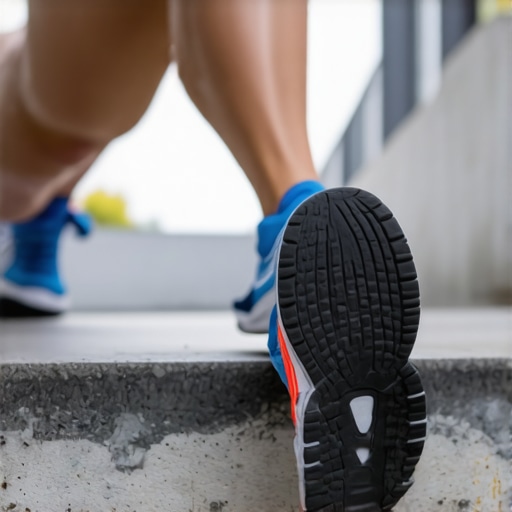 Many people assume that chiropractic adjustments and sports rehabilitation are straightforward fixes for back pain, but in reality, there’s a lot more beneath the surface that most overlook. A common misconception is that a single adjustment can provide long-term relief, yet studies show that without addressing underlying movement patterns, pain often returns—highlighting the importance of comprehensive rehabilitation programs. This oversight can trap individuals into a cycle of temporary fixes rather than sustainable healing.
Another nuanced aspect involves the fallacy that pain is always a sign of damage. In fact, pain can sometimes be a result of neural sensitization or functional issues, which means treating the site of discomfort alone might be ineffective. For example, Peter O’Sullivan, a leading expert in musculoskeletal pain, emphasizes that addressing movement and load management is crucial for lasting results, not just manual therapies.
One trap to avoid is the over-reliance on passive treatments like massages or adjustments without active engagement. While these can provide immediate relief, they don’t modify dysfunctional movement patterns or strengthen weak muscles. This can lead to recurrence, especially if underlying biomechanics aren’t corrected. Incorporate active rehab strategies, including movement drills and strength work, to empower your recovery.
What about the influence of mental factors? It’s a hidden but powerful element—fear-avoidance beliefs and stress can amplify pain perception and hinder progress. Ignoring these psychological components can limit the effectiveness of even the best physical interventions. Addressing these through education or mindfulness can enhance outcomes significantly.
For advanced readers, consider whether your current intervention aligns with your specific pain mechanisms. For instance, in cases of nerve impingement versus biomechanical instability, different approaches are warranted. Understanding these distinctions can prevent wasted effort and accelerate recovery. Resources like effective adjustment techniques can be found in dedicated articles on back pain sports rehab, which emphasize tailored strategies for different conditions.
Ultimately, it’s essential to realize that back pain management is a complex interplay of neural, mechanical, and psychological factors. Recognizing these nuances helps avoid common pitfalls and ensures a holistic approach. If you want to dig even deeper into common mistakes and how to sidestep them, check out resources on [effective spinal adjustments](https://motiontherapypro.com/back-pain-sports-rehab-effective-chiropractic-adjustments-0923).
Have you ever fallen into this trap? Let me know in the comments.Maintaining a healthy back over time requires more than just doing exercises occasionally; it’s about cultivating a toolkit of reliable methods and equipment that support your spine daily. One of my top recommendations is investing in a high-quality foam roller with a textured surface. I personally use the [Trigger Point GRID Foam Roller](https://triggerpoint.com/collections/foam-rollers/products/grid-foam-roller) because its firm density and multi-dimensional surface allow me to target deep muscle knots in my calves and lower back effectively, helping me prevent tension buildup that could lead to pain. Regular foam rolling has become a non-negotiable part of my recovery routine, especially after long runs or intense workouts, as it promotes blood flow and tissue elasticity.
Another essential tool I rely on is a resistance band, particularly for gentle mobility work and strengthening stabilizing muscles around my spine. I favor the [TheraBand Resistance Bands](https://thaband.com/) because they come in various resistance levels, enabling gradual progression. I incorporate band-assisted deadlifts and rows to reinforce my postural muscles, which is crucial for long-term back health. These exercises are simple to do at home or in the gym, and I’ve noticed significant improvements in my posture and reduction in recurring discomfort when consistently using resistance bands.
Software-wise, I implement a [spinal tracking app](https://motiontherapypro.com/why-your-2026-spinal-alignment-fails-the-hanging-hip-fix) to monitor my flexibility, pain levels, and progress. This helps me identify patterns and adjust my habits proactively. Predictively, I see this trend of digital health monitoring becoming more sophisticated, integrating biofeedback and real-time data to personalize preventive strategies further.
How do I keep my back functioning smoothly over the long term? The key lies in integrating these tools into a holistic routine that includes dynamic mobility drills, proper ergonomics, and periodically revisiting my technique with a professional. For example, aligning your desk setup correctly and avoiding prolonged static postures are crucial; check out [this article](https://motiontherapypro.com/3-signs-your-2026-standing-desk-is-trashing-your-lumbar-curve) for guidance.
For sustained results, I recommend setting aside a dedicated weekly session for foam rolling, resistance exercises, and posture checks. Pairing these routines with active engagement, like [rapid hip mobility drills](https://motiontherapypro.com/4-rapid-hip-mobility-fixes-for-2026-cyclists-to-stop-pain), ensures your tissues stay resilient and your alignment stays correct. In my experience, consistency with these tools and practices minimizes setbacks and boosts overall back health, empowering you to continue your active lifestyle without pain.Throughout my journey, I’ve discovered that the real lessons in adjustments, chiropractic, sports rehab, and managing back pain extend far beyond the initial fix. One of the most eye-opening realizations was that many recovery techniques are often approached with a short-term mindset—quick fixes rather than sustainable healing. Embracing a holistic perspective, focusing on consistent movement, mindful ergonomics, and understanding the root causes, transformed my approach and results. Another key insight was recognizing the power of patient engagement; active participation in rehab and adjustments fosters better outcomes than passive treatments alone. Lastly, prioritizing education about your body’s unique responses helps tailor strategies that truly work for you, rather than generic solutions. These lessons have reinforced that lasting back health isn’t about quick fixes—it’s about cultivating habits that support resilience day after day, ensuring you can enjoy a pain-free, active life.

Leave a Reply