
It was a morning like any other, I shuffled into the gym, eager to crush my workout plans. But as I approached the squat rack, a sharp pain shot up my lower back—a familiar, unwelcome sting that had haunted me for months. I realized then that my stubborn neglect of proper spinal preparation was sabotaging my progress and risking serious injury. That moment was my lightbulb, a clear sign I needed to rethink my approach.
Heavy back squats are a cornerstone of building strength, power, and muscular endurance. Yet, many lifters overlook a crucial step: prepping the spine to handle this load safely. It’s not just about warming up your muscles but about creating a resilient, mobile, and stable spine that can endure the demands of heavy lifting.
Today, I want to share with you the game-changing strategies I’ve learned from my own experience and professional advice. These methods can transform your training, reduce discomfort, and help you lift heavier with confidence. Are you tired of feeling stiff, uncomfortable, or worried about injuring yourself during squats? If so, you’re in the right place.
Why Your Spine Needs Special Attention Before Heavy Squats
The truth is, your spine is the foundation of the entire lifting process. When it’s out of alignment or lacks proper mobility, it puts extra strain on surrounding structures, leading to pain and compromised performance. I made a crucial mistake early in my lifting journey—ignoring the importance of spinal health and rushing into heavy sets without proper preparation. This oversight nearly ended my training prematurely.
Research shows that lack of spinal stability can significantly increase injury risk during weightlifting. According to a study published by the National Institute of Health, proper spinal stabilization techniques can reduce injury risk by up to 50%. That’s a huge impact just by paying attention to your spine.
If you’ve experienced back discomfort after squatting or feel like your gains are stagnating, it might be time to revisit your preparation routine. Think of your spine as the engine that keeps the whole car running smoothly. Neglect it, and your body pays the price.
In the following sections, I’ll guide you through practical, easy-to-implement steps to prepare your spine effectively. From mobility drills to stability exercises, these tips will help you squat heavier, safer, and with more endurance than ever before. Ready to make your back squats work FOR you, not against you? Let’s dive into the how.
Activate Your Core and Mobilize Your Spine Early
Start with dynamic movements that fire up your core and loosen your thoracic and lumbar segments. A simple example: perform 10 cat-cow stretches, focusing on articulating each vertebra. During my first attempt at implementing this, I felt awkward and wobbling, but after consistency, I noticed increased fluidity in my mobility and a reduction in back discomfort.
Do Gentle Spinal Articulations
Lie on your stomach, place your hands under your shoulders, and softly press up into a gentle cobra pose, extending your spine. Hold for a few seconds, then relax. This helps hydrate discs and stimulates synovial fluid movement. I added this step before every squat session, and within a week, my back felt less stiff during lifts.
Strengthen Supporting Muscles for Stability
Incorporate isometric holds such as planks and side planks to reinforce your deep core musculature. I found that combining planks with controlled breathing enhances intra-abdominal pressure, much like a natural weightlifting belt. This technique, combined with regular practice, made my spine feel more resilient over time.
Implement Specific Stabilization Drills
Try single-leg Romanian deadlifts with light weights, focusing on maintaining a neutral spine. This targets the posterior chain and addresses imbalances. I personally struggled initially, wobbling through reps, but persisted, discovering that balanced strength reduces compensatory movement that often leads to injury.
Mobilize and Release Tension
Use foam rolling on your thoracolumbar fascia, but be cautious—overdoing it can irritate connective tissue, worsening spasms. I learned that gentle, controlled rolling along the upper hips and lower back combined with diaphragmatic breathing helped me release deep-seated tension.
Avoid Common Pitfalls
Many lifters stretch their hamstrings excessively, but this can actually pull the pelvis into an anterior tilt, increasing lumbar stress. Instead, focus on hip flexor releases and core engagement. For example, the hip flexor fix has been a game-changer for my squat setup.
Incorporate Breathing Techniques
Practice diaphragmatic breathing during your warm-up and even re-engage during lifts. This stabilizes the spine by increasing intra-abdominal pressure, akin to piling sandbags against a wall. I adopted the method described in this breathing drill, and it noticeably enhanced my confidence and control.
Leverage External Support Wisely
Weightlifting belts can be helpful, but only when your core is adequately prepared. I used mine as a supplemental cue rather than a crutch, ensuring my musculature did the heavy lifting. Over-reliance on belts, especially without proper activation, can weaken stabilizers over time.
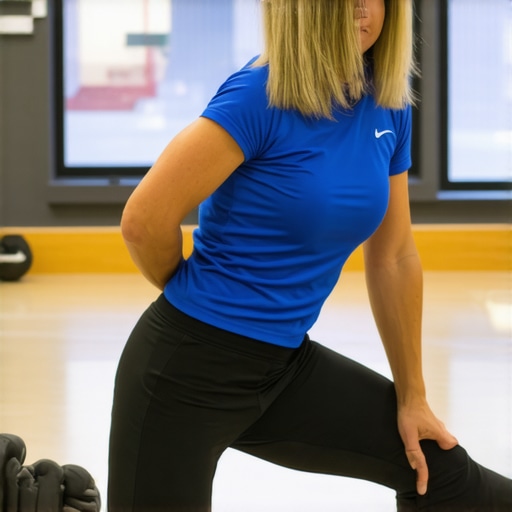
Many people believe that back pain is solely caused by muscle strain or injury, leading to a focus on aggressive stretching or painkillers. However, research shows that misdiagnosis and oversimplification are widespread issues. For instance, clinicians often overlook the role of neural tension or joint misalignment, which can perpetuate pain despite conventional treatments. A common myth is that chiropractic adjustments alone can resolve chronic back issues; in reality, without understanding the underlying biomechanical and neurological factors, adjustments are often temporary. One often-overlooked nuance is the importance of addressing pelvic alignment and stabilizing deeper spinal segments, which are crucial for lasting relief. Failing to consider these elements can result in recurring pain despite repeated adjustments. For example, neglecting the stability of the L5-S1 segment or overlooking nerve impingements can trap patients in a cycle of short-term relief and long-term frustration. Advanced therapies that incorporate nerve gliding, specific stabilization drills, and structural corrections—like those discussed in my comprehensive guides—can target these deeper issues effectively. An insightful question for experienced practitioners is: How do you differentiate between soft tissue dysfunction and joint instability when designing rehab programs? Evidence from clinical studies indicates that combining manual therapy with targeted neurodynamic exercises improves outcomes over traditional methods alone. So, next time you feel like your back isn’t responding to typical treatment, consider whether you’re missing this hidden nuance. Have you ever fallen into this trap? Let me know in the comments.Maintaining a resilient and healthy back isn’t a one-time effort; it’s about incorporating the right tools and habits into your routine. One of my favorite devices is the smart ring. I personally use it to monitor my sleep quality and movement patterns, which directly influence spinal health. These rings can detect subtle shifts in posture habits during sleep and daily activities, alerting me to habits that might be compromising my alignment. Over time, this feedback helps me make adjustments before small issues become chronic problems. Additionally, I rely heavily on foam rollers — but not just generic ones. I opt for textured models that target the thoracolumbar fascia more precisely, preventing common postural woes. A study by the National Institutes of Health emphasizes the importance of fascia health in spinal stability. I regularly incorporate mobility drills that I’ve programmed into my smartwatch to stay accountable, ensuring I’m moving enough throughout the day, especially if I work at a desk. Tools like adjustable standing desks, when set up properly (which you can check in this article), help reduce static postures that irritate the spine. Going forward, I predict wearable technology will become even smarter, continually providing real-time data to optimize posture and spinal health.
The Hidden Lessons I Never Heard in Training or Rehab
One of the most profound realizations I had was that spinal health isn’t just about quick fixes or stretching; it’s about understanding the intricate dance between stability, mobility, and neural function. For example, I once thought foam rolling alone would tame my chronic back tightness, but I overlooked how nerve tension can mimic muscle spasms. This lightbulb moment led me to incorporate nerve gliding drills, which drastically improved my recovery. Additionally, I learned that the minimal effective dose of any intervention is key—less often, but more intentional, produces better results than constant, haphazard efforts. Lastly, I discovered that tracking subtle changes with tools like a smart ring offers invaluable feedback, turning vague discomfort into manageable progress, and making the whole process less guessing and more precision-driven.
Tools and Resources That Elevated My Approach
My go-to resource remains the smart ring hacks because it continuously monitors movement patterns and alertness to postural habits, preventing issues before they escalate. For deepening mobility and stability, I trust The Pelvic Tilt Fix, which offers practical adjustments that complement specific rehab routines. When addressing office setup or ergonomics, avoiding common pitfalls using insights from standing desk setup tips proved transformative. For strengthening and stabilization, I rely on progressive programs from pro drills for sciatic pain that address the root cause rather than just symptoms.
Your Next Step in Back Care
Real progress begins when you recognize that consistent, informed action can protect your back for years to come. Whether that’s implementing simple diaphragmatic breathing during lifts or rethinking your workstation setup, every small change adds up. Remember, spinal health is a lifelong journey, and the effort you put in today lays the foundation for pain-free movement tomorrow. If you’re ready to elevate your approach, start experimenting with the strategies shared and stay curious about new solutions that fit your habits. Your back will thank you for it. What step will you try first to strengthen your back and improve your squat safety? Share your plan below, and let’s support each other in this journey.