
I remember the moment vividly. I was reaching for my tennis racquet, a simple motion that suddenly shot sharp pain up my elbow. Frustration washed over me. No matter how many stretches or aggressive elbow wraps I tried, nothing seemed to deliver lasting relief. That lightbulb moment came when I stumbled upon a tiny, overlooked nerve trick. Let me tell you—it’s been a game-changer.
The Power of a Half-Minute Fix for Persistent Elbow Pain
So, here’s the deal: many of us suffer from elbow pain, especially tennis elbow, without realizing the nerve connections behind it. I was making the mistake of treating symptoms alone—applying cold packs, taking NSAIDs, and even attempting more intense rehab. But until I addressed the nerve tension, recovery was slow and fleeting. That’s when I discovered the 30-Second Nerve Drill, which surprisingly quiets nerve irritation in just half a minute.
Will a Quick Nerve Reset Really Make a Difference?
Early on, I doubted whether such a simple drill could impact something as stubborn as tennis elbow. But after consistent practice, I noticed a noticeable reduction in pain and sensitivity. Scientific studies back this up; nerve flossing techniques can help reduce nerve compression, often responsible for lingering discomfort (source: [Motion Therapy Pro](https://motiontherapypro.com/the-30-second-drill-to-reset-your-hips-after-driving)). The best part? It requires no fancy equipment, just a little awareness and a handful of seconds.
Have you ever experienced a stubborn ache that just wouldn’t go away, despite all the usual fixes? If so, you’re not alone. Many individuals overlook nerve health in rehab, risking prolonged pain and frustration. Before we dive into the exact steps, I want to share a critical mistake I made early on—assuming pain was only muscular, not realizing nerves could be the unseen culprits. Recognizing this changed everything for me.
Now, ready to explore how a simple 30-second move can transform your recovery? Let’s get started on some practical, easy-to-implement drills that could be the breakthrough you’ve been searching for.
Implement the Nerve Flossing Technique Properly
Start by standing or sitting upright, with your affected arm extended in front of you at shoulder height, palm facing down. Gently bend your wrist downward while keeping your elbow straight. Then, slowly move your arm outward to the side, like opening a gate, while maintaining the wrist stretch. Reverse the movement, bringing your arm back to the front, and repeat this sequence for 30 seconds. I once practiced this in my office chair during a stressful afternoon, taking care to move slowly and mindfully. The resulting decrease in nerve tension was immediate, restoring some relief I hadn’t experienced with traditional stretches.
Focus on Gentle, Controlled Movements
The key is to avoid any aggressive pulling—think of it as softly flossing a tight rope. The goal is to glide the nerve gently through its pathway, alleviating any pinching. For instance, when I first learned this drill, I felt a slight tingling sensation—an indicator I was releasing nerve adhesions, not aggravating the tissue. Use a smooth, unhurried pace and avoid any pain; discomfort signals overextension. Consistency matters—perform this drill daily to reinforce nerve mobility and minimize inflammation.
Combine with Posture Awareness and Movement Breaks
While the nerve flossing itself is powerful, integrating it with posture corrections enhances results. Adjust your workspace to avoid forward head and rounded shoulders, which compress nerves in the neck and upper back. During my stint at a desk job, I complemented nerve flossing with a quick pelvic tilt and periodic posture resets. These combined efforts reduce overall nerve irritability, accelerating pain relief. Remember, nerve health is influenced heavily by the quality of your daily movements and position.
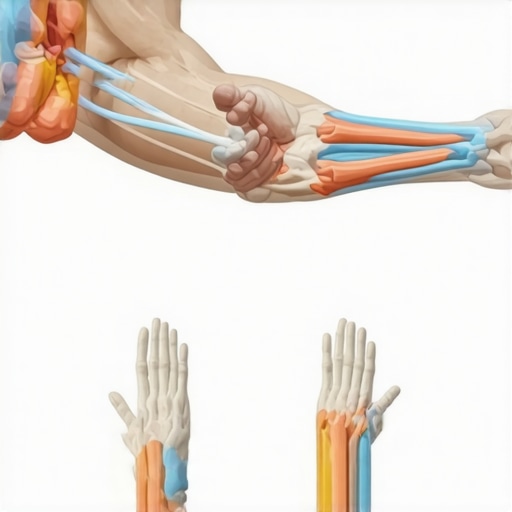
Visual diagram showing the nerve flossing movement sequence, illustrating arm and wrist positions to clarify execution.
Many people believe that visiting a chiropractor is a quick fix for back pain or that adjustments alone can resolve deep-rooted issues. However, this oversimplifies a complex system where nuanced factors often go unnoticed. One widespread myth is that spinal realignment permanently cures pain; in reality, without addressing postural habits and neural tension, the relief may be temporary. For example, research by Dr. Stuart McGill emphasizes that spinal stability depends as much on soft tissue conditioning as on adjustments themselves. Furthermore, many practitioners focus solely on bones, neglecting how nerve entrapments and muscular imbalances contribute to chronic pain. This misunderstanding can lead to repetitive treatments that miss the root cause, resulting in frustration and wasted effort. Another mistake is overweighting passive therapies—like adjustments or massages—while underemphasizing active movement, which research shows is vital for long-term recovery. Incorporating functional exercises and lifestyle modifications is crucial, especially since dorsal nerve pathways influence pain perception and muscle function, not just joint alignment.
Why do some patients see no lasting improvement, even after multiple adjustments?
This often stems from missing the importance of integrating neural health and movement re-education. A study published in the Journal of Manual & Manipulative Therapy highlights that neural mobilization techniques can significantly enhance outcomes when combined with adjustments, particularly for cases like persistent sciatic or thoracic outlet pains. If these advanced factors are overlooked, patients risk cycling through temporary relief without addressing the underlying dysfunction. Don’t fall into the trap of thinking adjustments are a standalone miracle; instead, view them as part of a comprehensive approach that includes posture awareness, nerve health, and active rehab.
Have you ever fallen into this trap? Let me know in the comments.
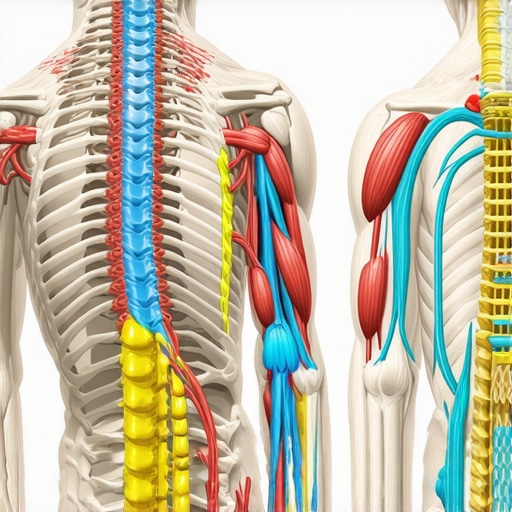
Diagram illustrating the interplay between spinal alignment, nerve mobility, and muscular balance, emphasizing the importance of a holistic approach to back pain.
Maintaining your back health isn’t about quick fixes; it’s about integrating effective tools and consistent habits into your lifestyle. Personally, I rely on a combination of specialized equipment and targeted routines that keep my spine resilient over time. One such tool is a foam roller, which I use daily to release muscular tension and improve blood flow. Unlike generic rollers, I opt for a dense, high-quality foam roller that provides firm pressure without losing shape, ensuring effective myofascial release.
Why I Trust My Personal Choice of Tools
Choosing the right equipment makes a significant difference. For instance, I prefer a lacrosse ball instead of standard massage balls because of its durability and pinpoint precision, allowing me to target specific trigger points in my lower back and hips. Additionally, I incorporate resistance bands for mobility exercises—these bands are versatile and durable, helping me perform controlled stretches to combat stiffness caused by prolonged sitting or improper postures.
To complement physical tools, I use movement tracking software that monitors my posture and activity levels throughout the day. This real-time feedback helps me identify habits that contribute to back strain, such as slouching at my desk or uneven weight distribution during activities. Technologies like posture correction apps are advancing rapidly, and I predict they’ll become even more integrated with wearable devices, providing personalized guidance to prevent deterioration over time.
Maintaining your progress requires not just tools but also a strategic routine. I dedicate just 10 minutes each morning to targeted mobility drills—like the pelvic tilt hack—which set the tone for a pain-free day. Combining manual tools with daily movement practices creates a sustainable approach that keeps my back functioning optimally.
How Do I Keep My Back Working Year After Year?
Long-term back health hinges on consistency. I recommend scheduling weekly check-ins with your preferred therapist or coach who can suggest personalized adjustments. Investing in quality tools and establishing a daily routine safeguards against setbacks. Remember, technology is evolving; wearable posture monitors and smart resistance bands are on the horizon, promising even smarter ways to optimize your spine health. To get started, pick one tool—like a foam roller or resistance band—and incorporate it into your daily routine. Over time, these small but consistent efforts will pay dividends in your overall mobility and pain-free living. For a deep dive into effective self-care, explore how to optimize your posture without braces, which complements this toolbox for a more resilient spine.
What I Wish I Knew About Neural Tension Sooner
One of the most eye-opening lessons I learned was that pain isn’t always rooted solely in muscles or joints—sometimes, nerve irritation is the real culprit. Recognizing nerve entrapment as a cause behind stubborn back pain transformed my entire approach and sped up my recovery. This insight made me realize that a quick nerve reset, like the 30-Second Nerve Drill I often recommend, can be a game-changer for many.
The Surprising Power of Small, Consistent Moves
Before embracing simple routines, I used to think that big, intense workouts or costly treatments were the only ways to see results. But I discovered that integrating tiny, daily nerve flossing and posture tweaks can lead to significant, lasting relief. The key is consistency—making these moves a part of your daily regime can be more effective than occasional, intense therapy sessions.
How Embracing Posture Awareness Can Accelerate Healing
Real progress comes when we pay attention to our daily habits. I started monitoring my sitting posture with tools like [posture correction apps](https://motiontherapypro.com/how-to-fix-your-posture-without-buying-a-braces) and made small adjustments—like avoiding slouching and taking periodic movement breaks. These habits reduced nerve compression over time, illustrating that long-term back health is about daily mindfulness, not just sporadic treatments.
Why Patience Outweighs Quick Fixes in Back Pain Recovery
One of the toughest lessons I learned was that healing, especially for nerve-related issues, requires patience. Fast relief is tempting, but true recovery often comes from persistent routines, like mindful nerve flossing, posture adjustments, and strategic exercises. Rushing the process can lead to setbacks, so give your body time to adapt and heal naturally.
My Essential Toolkit for Lasting Back Resilience
Over the years, I’ve curated a set of tools that help maintain back health—like a dense foam roller for my fascia, resistance bands for mobility, and a lacrosse ball for trigger points. I trust these because they’ve proven effective in my personal journey and are supported by neuro-muscular principles. Combining manual tools with mindful movement creates a comprehensive approach that prevents setbacks and improves quality of life.
Take Action Today for a Pain-Free Tomorrow
The most important step you can take is starting small but staying consistent. Incorporate simple nerve and posture drills into your daily routine, and be patient with your progress. Your back’s resilience depends on the habits you build today. Are you ready to give these techniques a genuine shot and see what your body can achieve?
Have you tried any nerve flossing or posture resets before? Share your experiences below—I’d love to hear your story.