
I remember the sound most—a sickening pop that echoed through the quiet park at 6:00 AM. One second I was hitting my stride on a morning jog, and the next, I was crumpled on the grass, clutching my right ankle while my pulse throbbed in my ears. Like most people, I limped home and immediately buried my foot under a mountain of frozen peas. I thought I was doing the right thing. I stayed on that couch for three days, barely moving, waiting for the magic of rest to kick in. But a week later? I was stiffer than a board and my gait was totally wrecked. I made the classic mistake of thinking total immobilization was the cure. It wasn’t. In fact, that is exactly why icing and excessive rest often do more harm than good by stalling the natural inflammatory process your body needs to actually repair tissue.
Stop Babying Your Ankle if You Want to Walk Again
The wait and see approach is a relic of the past. If you want to get back to your favorite trails or just walk to your car without a wince, we have to talk about active recovery. When I finally stopped treating my leg like a piece of fragile glass and started using controlled, intentional movement, the swelling actually started to shift. Movement is medicine because it pumps lymphatic fluid and keeps your nervous system from forgetting how to stabilize your joints. It is a lesson I learned the hard way after realizing the hidden link between your ankles and lower back health; when one shuts down, the other pays the price. Today, I am going to show you how to move through the pain safely so you are not stuck on the sidelines for a month.
Isn’t moving a hurt joint just asking for more trouble?
It feels counterintuitive, right? We are practically wired to believe that pain equals stay still. But research published in the British Journal of Sports Medicine suggests that early mobilization and Optimal Loading—the L in the newer PEACE and LOVE protocol—actually leads to better long-term functional outcomes than just sitting still. I used to think bed rest was the gold standard for injuries, but it turns out that stagnation is the enemy of healing. Have you ever tried to tough out a sprain by doing nothing, only to find it still hurts six weeks later? I have been there, and I do not want you to waste time like I did. We are going to look at how to safely introduce weight and motion without re-tearing those precious ligaments. Before we dive into the specific drills, like this 30-second ankle stabilizer, let us get clear on why your current ice and pray strategy might be failing you.Once the initial fire of the injury starts to dim, you need to transition into what I call the active loading phase. This isn’t about running a marathon; it is about signaling to your brain that the area is safe to use again. I spent years thinking that if it hurt, I should stop. But the truth is, controlled discomfort is often the price of admission for real healing. I remember trying to stand on one leg for the first time after a bad sprain. My foot shook like a leaf, and I felt a wave of frustration. But that shaking? That was my nervous system re-mapping the area. This is where the role of chiropractic care in effective sports injury recovery becomes a game changer—it is not just about the joint, but how your brain communicates with it.
Shift Your Focus from Protection to Progressive Loading
The goal of active recovery is to move the swelling out and the nutrients in. Think of your injured ankle like a stagnant pond. Without movement, the fluid just sits there, becoming thick and viscous, which limits your range of motion. By introducing gentle movement early on, you act as a manual pump for your lymphatic system. I have found that revolutionize your rehab chiropractic techniques can often speed up this drainage process significantly. When I was recovering, I made the mistake of staying in a compression boot for two weeks straight. When the boot finally came off, my calf had shriveled, and my ankle felt like it was made of concrete. Do not let that happen to you.
Wake Up Your Nerves with the Ankle Alphabet
This is the first step in reclaiming your mobility. Sit in a chair with your foot hanging off the edge. Imagine your big toe is a pen and trace the entire alphabet in capital letters. When I first did this, G and R were nearly impossible—my ankle just would not make the curves. But I stuck with it three times a day. It forces your joint through its full range of motion without the stress of your body weight. 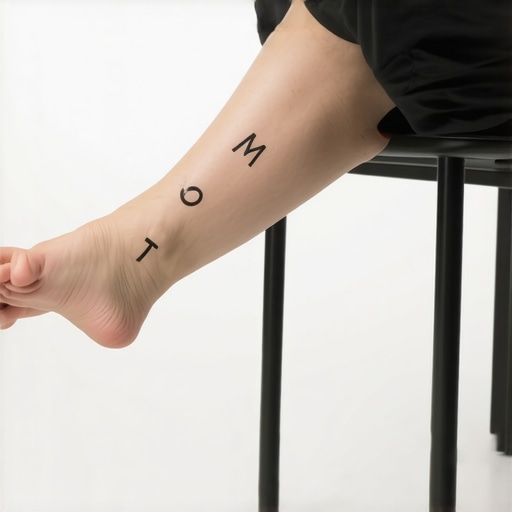 This drill is the foundation for more advanced work, like enhancing athletic performance with targeted chiropractic care, because it keeps the neural pathways open while the physical tissue heals.
Restore Your Range of Motion Before It Stiffens Permanently
The most critical movement to get back is dorsiflexion—the ability to pull your foot up toward your knee. If you lose this, your body will compensate by twisting your knee or arching your back every time you take a step. This is a common culprit for those who find the science behind chiropractic adjustments for back pain relief relevant even when they thought they only had a foot problem. Use the 45-second drill to improve your ankle dorsiflexion daily. I once saw a runner who ignored this step for months; by the time he came to see me, his ankle problem had migrated into a debilitating lower back spasm because his entire gait had shifted.
Fix the Kinetic Chain to Prevent Future Injuries
Your body is a series of interconnected links. When the ankle is weak, the knee wobbles, the hip tightens, and the spine shifts to compensate. This is why you cannot treat an ankle in a vacuum. Effective recovery involves looking at the big picture. Even if your foot feels okay, a minor misalignment can linger and sabotage your progress. It is often necessary to look at how your lifestyle affects these patterns, such as essential tips for managing back pain through healthy lifestyle choices that support overall joint health. When I finally combined my mobility drills with professional adjustments, the clicking in my ankle stopped, and my balance felt more solid than it had even before the injury.
Your Bones Aren’t Actually Sliding Around Like Legos
I’ve heard it a thousand times in the clinic: “My hip is out of place, can you just pop it back in?” This is one of the most pervasive myths in sports rehab. The reality is that unless you’ve suffered a traumatic dislocation that requires an ER visit, your bones aren’t sliding around like loose bricks. What people interpret as a bone being “out” is actually a joint that has lost its normal range of motion, often due to protective muscle guarding. When I finally grasped the science behind chiropractic adjustments for back pain relief, I realized the adjustment isn’t about “shoving” something back; it’s about a high-velocity, low-amplitude input that resets the nervous system. We are essentially hitting the ‘refresh’ button on your body’s sensory feedback loop. 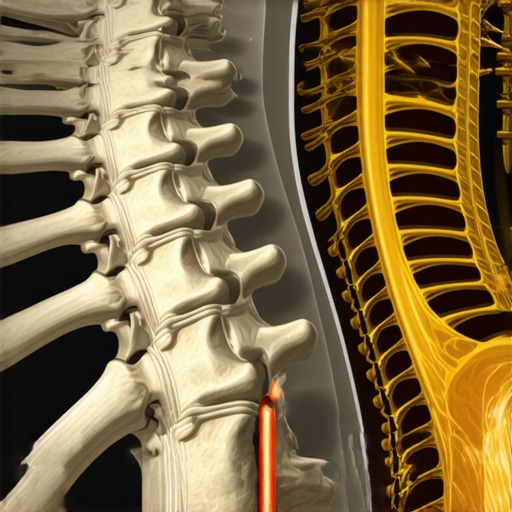
Stop Falling for the Passive Patient Trap
The biggest “oops” factor I see with athletes and office workers alike is the belief that the adjustment is the entire cure. It’s a dangerous trap to think you can outsource your health to a 10-minute appointment. If you get adjusted but then go right back to the same habits that caused the dysfunction—like the couch position that is secretly ruining your lumbar spine—you are fighting a losing battle. This is why the truth about why your adjustments don’t seem to last usually comes down to soft tissue neglect. If your muscles are still programmed to pull the joint back into a restricted state, the adjustment won’t “stick.” You have to pair those manual releases with proven chiropractic strategies that include active loading and lifestyle changes.
Why does my body crave the ‘pop’ even when the pain persists?
This is a sophisticated question that touches on the “addiction” to joint cracking. Many people think the sound—the cavitation—is the goal. However, research in *The Journal of Manipulative and Physiological Therapeutics* indicates that the audible release is simply the result of pressure changes in the joint fluid, while the real magic is the *neuro-modulatory effect* on the spinal cord. If you are constantly cracking your own neck at your desk, you might actually be creating hyper-mobility in the wrong segments, forcing the truly “stuck” segments to work even harder. This is where the role of chiropractic care in effective sports injury recovery becomes essential; it ensures we are targeting the specific restriction, not just making noise.
Don’t Ignore the Neurological Blueprint
True recovery happens when we bridge the gap between structural alignment and neurological control. You can have the “straightest” spine in the world, but if your brain doesn’t know how to fire your glutes or stabilize your core, you will break down. This is the hidden nuance of strategic chiropractic solutions for long-term back health. It’s about more than just feeling “aligned”; it’s about ensuring your kinetic chain—from that old ankle sprain we discussed earlier to your cervical spine—is communicating without static. When you start focusing on how your body *functions* rather than just how it *feels* for five minutes after a pop, you’ve reached the next level of rehab. Have you ever fallen into the trap of thinking the adjustment was a “magic pill” only to have the pain return the next day? Let me know in the comments. To learn more about how this applies to your specific situation, discover how chiropractic adjustments can alleviate chronic back pain through targeted, evidence-based care.Once you have moved past the acute phase of an injury, the real work begins in the margins of your daily life. I used to think that as soon as the pain stopped, the rehab was over. I was wrong. Maintenance is the difference between a one-time injury and a chronic cycle of flare-ups. My personal kit always includes a standard lacrosse ball because it is dense enough to reach deep into the paraspinal muscles without deforming like a tennis ball. Knowing how to use a lacrosse ball to melt away mid-back knots is a skill I recommend to every athlete I work with. It is an active way to keep the fascia hydrated and prevents the ‘stuck’ feeling that often precedes a major adjustment. When you combine this self-myofascial release with strategic chiropractic solutions for long-term back health, you create a system that is resilient rather than just repaired.
Your Movement Patterns Are the Ultimate Maintenance Tool
The most sophisticated tool you own is your own movement architecture. I’ve seen people spend thousands on ergonomic chairs only to sit in them with a rounded spine. Real longevity comes from mastering the mechanics of how you move under load. Dr. Stuart McGill, a leading expert in spine biomechanics, emphasizes the importance of ‘proximal stiffness for distal mobility.’ This means if your core is stable, your limbs can move freely. I personally swear by the ‘Big 3’ exercises for spinal stability, but they only work if you have mastered the hip hinge secret for people with chronic lumbar issues. If you can’t hinge at the hips without rounding your back, you are essentially ticking a time bomb every time you pick up a laundry basket or a barbell. This is where boost your sports rehab journey with proven chiropractic strategies by focusing on those foundational patterns that keep your joints in their optimal ‘centrated’ position.
How can I stay pain-free without a weekly appointment?
The secret to staying out of the clinic is consistency in your lifestyle habits. I’ve found that essential tips for managing back pain through healthy lifestyle choices—like staying hydrated to keep your spinal discs plump and moving every 30 minutes—are more effective than any ‘quick fix’ adjustment. You have to become an active participant in your own recovery. 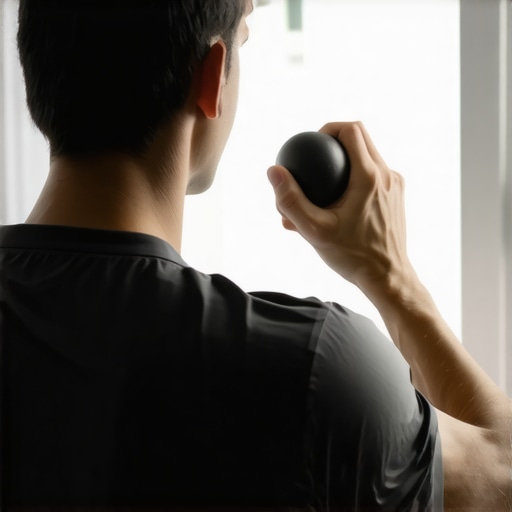 Looking forward, I predict we are going to see a massive shift toward wearable biofeedback sensors that alert you the moment your gait shifts or your posture slumps, allowing for real-time corrections before pain even starts. This tech is already emerging in elite sports, and it will eventually become the standard for everyone. To truly excel, you need to understand enhancing athletic performance with targeted chiropractic care is about fine-tuning your body’s internal computer, not just fixing a broken part. If you want to see how these pieces fit together for your specific goals, contact us to start building a plan that actually lasts. Try this today: the next time you stand up, focus on driving through your heels and keeping your ribs tucked. It sounds simple, but that one shift can save your lumbar spine years of wear and tear.
The Hardest Lesson I Learned About Chronic Pain Loops
After years of treating my body like a collection of parts, I finally realized that my brain was often the one holding the brakes. Here are the lightbulb moments that changed everything for me during my own recovery journey:
- Pain is a protective buffer, not a measure of tissue damage. Just because it hurts doesn’t mean something is tearing; often, your nervous system is just ‘playing it safe’ because of past trauma or inflammation.
- Movement creates neurological confidence. The more I avoided movement, the more my brain viewed my ankle as a liability. By leaning into controlled discomfort, I re-taught my system that I was stable and capable.
- Isolation is a myth in the kinetic chain. You have to learn how to identify if your back pain is muscular or nerve related to see how an old ankle injury or a lack of glute engagement is actually driving your current symptoms.
The Tiny Toolkit That Saved My Athletic Career
I don’t believe in expensive gadgets that collect dust in the corner of a home gym. My maintenance and recovery strategy relies on three simple, evidence-based things. First, a firm lacrosse ball to manage those stubborn trigger points in the feet and back. Second, a set of quality resistance bands; I’ve found that knowing how to choose the right resistance band can make or break the effectiveness of your rehab drills. Finally, I highly recommend ‘Back Mechanic’ by Dr. Stuart McGill. These tools work because they empower you to take consistent action at home, rather than just waiting for your next professional appointment.
Stop Waiting for Permission to Move Again
The transition from ‘injured’ to ‘athlete’ happens the moment you decide to stop being a passive recipient of care and start being an active participant. Whether you are seeking expert chiropractic adjustments that work or performing your daily mobility drills to ensure your glutes fire properly, you are the CEO of your own healing process. Do not let the fear of a temporary ‘pop’ or a ‘click’ keep you from the life you want to live. Integrating regular adjustments, sports rehab, chiropractic, and back pain management into a holistic, movement-first lifestyle is the only way to ensure you don’t just get better, but stay better. What is the one injury that seems to flare up the moment you start making progress in your training? Let me know in the comments below, and let’s figure out the missing link together.