
I remember landing in London after a brutal eight-hour red-eye, feeling like I’d finally made it. But when the ‘fasten seatbelt’ light dinged off and I stood up to grab my carry-on, my ankles didn’t feel like mine anymore. They felt like they’d been replaced by heavy, rusted concrete blocks. I actually stumbled into the aisle, nearly taking out a flight attendant in the process. It wasn’t just the pins and needles; it was a deep, structural stiffness that made every step feel like I was wading through molasses. If you’ve ever hobbled off a plane feeling twenty years older than when you boarded, you aren’t alone. Most people assume it’s just ‘travel fatigue,’ but there is a very specific physiological reason why your lower joints lock up, and the good news is that you don’t have to just live with it. Today, I’m going to share exactly why this happens and the simple routine I use to get my mobility back before I even hit the baggage claim.
The Moment My Ankles Just Quit on Me
One of the biggest mistakes I made early in my career as a movement enthusiast was trying to ‘power through’ the stiffness with aggressive static stretching the second I got to the hotel. I thought if I just pulled on my toes hard enough, the joints would release. I was wrong. In fact, aggressive stretching isn’t always the answer, and in my case, it just made my joints feel more unstable and inflamed. The real culprit isn’t just ‘tight’ muscles; it’s fluid. When you’re stuck in a cramped economy seat, gravity is working against you for hours on end. According to the Mayo Clinic, sitting for long periods causes blood and fluid to pool in your lower legs, a condition known as dependent edema. This extra fluid creates internal pressure that physically restricts your joint’s range of motion. It’s also worth noting that how you hold your torso affects your legs; I’ve found that finding the best way to sit on a plane can significantly reduce the pressure that travels down the kinetic chain. Have you ever had that panicked moment in the aisle where you weren’t sure your feet would actually support your weight?
Is this just a sign that I’m getting old?
It’s the first thing we think, isn’t it? We assume our ‘good years’ are behind us because our joints react to a little air travel. But the truth is, this is a mechanical issue, not a birth-year issue. Even elite athletes deal with this. The stiffness is often a protective response from your nervous system. When your brain senses that your ankles are swollen and your circulation is sluggish, it ‘locks’ the joint to prevent injury. The key is to signal to your body that it’s safe to move again. We do this through active movement rather than passive pulling. I also started realizing there is a hidden link between your ankles and lower back health; if those feet aren’t moving right when you land, your lower back is going to pay the price for it all through your vacation. To fix this, we need to focus on restoring your ankle dorsiflexion immediately upon landing. In the next section, I’ll walk you through the low-impact drills that actually flush that fluid out and get you walking normally again.
Flush the Fluid with the Sump Pump Strategy
Think of your lower legs as a drainage system. When you sit for hours, the ‘pipes’ (your veins and lymphatic vessels) lose their primary power source: the calf muscle pump. To get things moving, you need to act like a manual sump pump. The goal is to create a pressure gradient that forces that stagnant fluid back toward your heart. I remember a particularly grueling trip to Dubai where I could actually see the indentations of my socks deep in my skin. Instead of panicking, I found a quiet corner of the terminal and started a high-frequency set of ankle pumps. I did 50 reps every ten minutes for an hour. It felt tedious, but by the time I boarded my connecting flight, the ‘heavy’ feeling was gone. This works because active movement creates the mechanical contraction necessary to overcome the gravity that’s been pinning fluid in your ankles.
Pumping the valves back to life
Start by sitting with your legs extended. Point your toes as hard as you can, then pull them back toward your shins as far as they will go. Don’t just go through the motions; reach the end of your range in both directions. This isn’t just about the muscles; it’s about the pressure. If you feel a dull ache, that’s often just the fluid moving. If you’ve ever wondered about the science behind that popping sound in your joints, you might notice some cavitation here as the joint capsules decompress. That’s a good sign that the internal pressure is equalizing.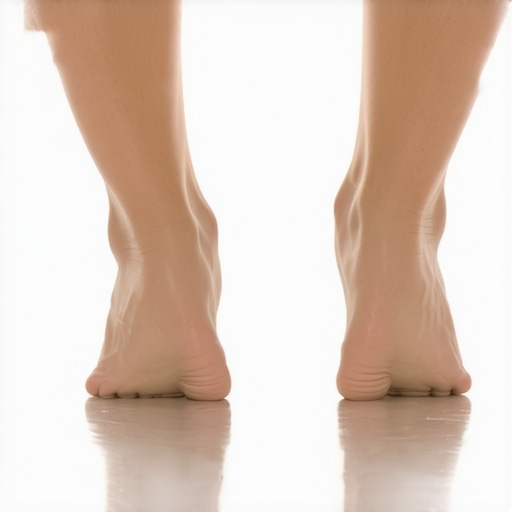
Wake up the nerves before you walk
Once the fluid is moving, you have to convince your brain that the joint is stable. This is where most people fail. They jump straight into walking and end up with a compensation pattern that leads to knee or hip pain. I use a modified version of the 45-second drill to improve your ankle dorsiflexion while still at the gate. By gently challenging the joint’s end-range under a small amount of load, you reset the ‘stretch reflex’ that caused the stiffness in the first place. I once tried to skip this step after a red-eye to New York and ended up with a nagging pinch in my hip for the rest of the week because my gait was so guarded. Your nervous system is incredibly protective; you have to prove to it that you have control over those ankles again.
Get your weight over your midfoot
The final piece of the puzzle is weight-bearing. Stand up and slowly shift your weight forward and back, feeling your weight move from your heels to your toes. This simple weight shift re-engages the mechanoreceptors in your feet. Remember, the hidden link between your ankles and lower back health means that if you don’t find your balance here, your spine will try to do the work for you. Avoid the temptation to do big, aggressive lunges immediately. Instead, focus on small, controlled movements that emphasize the ankle’s ability to bend. This is much more effective than the common mistake of aggressive morning stretches which can actually make the joint more sensitive when it’s already inflamed from the flight.When I finally hobbled into my hotel room after that London trip, my first instinct was to twist my spine until I heard a symphony of cracks. We’ve all been there—thinking that a loud ‘pop’ is the ultimate sign of success. But here is the contrarian truth: chasing the sound of a joint release is often the fastest way to stay stiff. In my experience, the loudest self-adjustments usually happen in the joints that are already moving too much, while the stuck ones stay frozen. This is why the truth about cracking your own neck at your desk or in a hotel room is that you’re often just irritating the nerves rather than fixing the mechanics. Real recovery isn’t about forced ‘re-alignment’; it’s about providing a specific neurological input that tells your muscles it is safe to let go.
Stop chasing the pop and start building real stability
Most people view their spine as a stack of bricks that can fall ‘out of place.’ This is a massive oversimplification. Your body is a dynamic system, and that heavy, ‘stuck’ feeling in your back after a flight is usually a protective tone set by your nervous system. If you want a long-term fix, you have to look for strategic chiropractic solutions for long-term back health rather than quick, temporary cracks. I see so many patients fall into the ‘Oops’ trap of assuming that if the pain is gone, the problem is solved. This ‘no pain, no gain’ mentality is a major hurdle in the truth about no pain no gain in sports rehab. If you don’t address the underlying motor control, that stiffness will return the second you sit down for dinner. 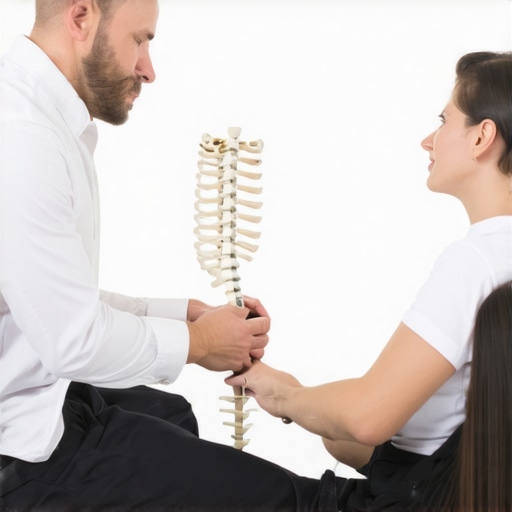
Does a perfect spinal position actually exist during travel?
It’s the most common question I get from frequent flyers: ‘What is the one perfect way to sit?’ The advanced answer is that there isn’t one. The ‘perfect’ posture is your *next* posture. A study published in the Journal of Bodywork and Movement Therapies suggests that ‘stiffness’ is often a sensory-motor illusion—your brain perceives the joint as stuck even when it is physically capable of movement. To break this illusion, you need to change your inputs. This is why I often find that how your breathing mechanics are sabotaging your core strength is more relevant to your back pain than the actual seat you’re sitting in. If you are breathing shallowly into your chest for six hours, your mid-back will lock up regardless of your lumbar support. Even common exercises can fail if the ‘software’ isn’t right; for instance, why your glute bridge isnt fixing your lower back pain often comes down to the fact that you’re using your lower back to do a hip’s job. Have you ever fallen into this trap of thinking a ‘pop’ fixed everything only to have the pain return an hour later? Let me know in the comments.
Why a simple lacrosse ball beats a $500 massage gun
I never board a plane without a high-density lacrosse ball buried in my laptop bag. While everyone else is reaching for their fancy, vibrating massage guns that cost a fortune, I’ve found that the targeted, static pressure of a five-dollar ball provides a far more effective release for the deep tissues around the hip and mid-back. The reason is simple: vibration often just numbs the skin, while deep, sustained pressure signals the mechanoreceptors in your fascia to actually downregulate. This is one of the essential tips for managing back pain through healthy lifestyle choices that most people ignore in favor of flashy gadgets. When I’m stuck in a hotel room in Tokyo or New York, I use that ball to pin my psoas or my rhomboids against the wall. It’s not about ‘smashing’ the muscle; it’s about creating enough local pressure to tell the nervous system that the ‘threat’ of the cramped flight is over. If you aren’t doing this, you’re missing the most portable tool in your rehab kit.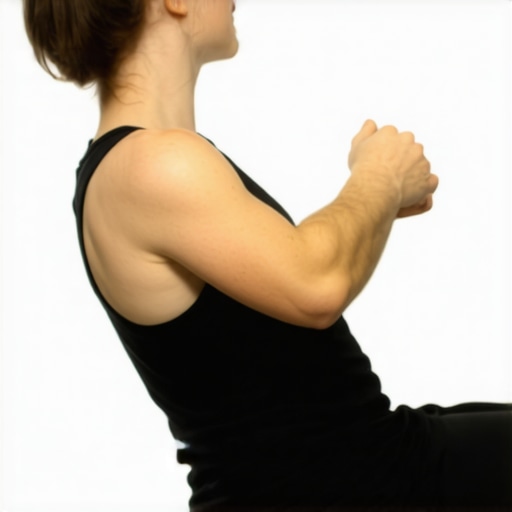
How do I keep my spine resilient for the long haul?
Maintenance is where the real work happens. You can get adjusted every week, but if you return to the same poor movement patterns, you’ll find the truth about why your adjustments dont seem to last is simply a lack of carry-over. I personally focus on what Dr. Stuart McGill, a world-renowned expert in spinal biomechanics, calls ‘spinal hygiene.’ In his research published in the Journal of Clinical Biomechanics, he highlights that the way you brush your teeth, tie your shoes, and pick up your luggage matters more for long-term health than the hour you spend at the gym. For me, this means integrating enhancing athletic performance with targeted chiropractic care as a proactive measure rather than a reactive fix. I treat my spinal health like a bank account; I’m constantly making small deposits of good movement so I can ‘afford’ the occasional ten-hour flight or heavy lifting session. One of the best deposits is learning how to use diaphragmatic breathing to calm your nervous system after a stressful travel day, which prevents the sympathetic ‘fight or flight’ response from locking down your core muscles. Looking ahead, I predict we are going to see a massive shift toward wearable technology that tracks ‘spinal shear’ in real-time, alerting you before you even feel a tweak. But until that tech is in our smartwatches, you have to be your own bio-monitor. I challenge you to try the lacrosse ball release on your glutes for just two minutes tonight and notice how much lighter your steps feel tomorrow morning.
What Experts Won’t Tell You About Post-Flight Joint Recovery
After years of treating travelers and navigating long-haul flights myself, I’ve realized that the ‘heavy’ feeling isn’t just physical—it’s a neurological conversation. One of the biggest takeaways I’ve had is that rest is not always recovery. In fact, why bed rest is the worst thing for acute back spasms applies to travel stiffness too; your body needs movement to clear the ‘noise’ of a long flight. I also learned that the truth about no pain no gain in sports rehab is vital: pushing through a sharp pinch usually backfires. Instead, focus on low-load, high-frequency signals. Finally, remember that your brain is just trying to protect you. When you move gently, you aren’t just ‘stretching’—you’re telling your nervous system that the threat is gone.
The Carry-On Mobility Kit I Never Leave Home Without
When it comes to maintaining your spine on the road, I rely on a few ‘non-negotiables’ that fit in any backpack. First, a high-density lacrosse ball is my go-to for identifying if that knot in your back is a trigger point or just temporary stiffness. Second, I recommend following the principles of ‘spinal hygiene’—a concept pioneered by experts in the field—to ensure you’re managing back pain through healthy lifestyle choices even in a cramped cabin. Lastly, I always keep a mental checklist of how to use diaphragmatic breathing to calm your nervous system because a calm brain leads to relaxed muscles.
#IMAGE_PLACEHOLDER_E#
Reclaiming Your Freedom of Movement
Travel is one of life’s greatest joys, but it shouldn’t come at the cost of your physical well-being. By shifting your focus from ‘fixing’ a problem to ‘supporting’ a system, you can land in any city feeling ready to explore rather than ready for a nap. If your stiffness persists beyond the first 24 hours, it might be time to look into unlocking back pain relief expert chiropractic adjustments that work to reset those deeper mechanical patterns. You have the tools, the knowledge, and now the routine to keep your body resilient. Don’t let a middle seat dictate how the rest of your week feels.
Have you ever tried the lacrosse ball trick in a hotel room, or do you have a different ritual for post-flight stiffness? Let me know in the comments below!