
I remember the exact moment my hips decided to go on strike. It was a random Tuesday afternoon. I’d spent four straight hours glued to my monitor, and when I finally pushed back my chair to stand, a sharp, familiar tugging in my lower back made me freeze. I felt old. Not ‘experienced’ old, but ‘rusty-hinge’ old. It’s that visceral realization that your body is adapting to the shape of your chair, and it’s a shape that doesn’t include standing up straight or walking without a wince. I actually groaned out loud, and my office mate asked if I needed an ambulance. I didn’t need an ambulance, but I did need a way out of the constant, grinding tightness that was making my daily life a chore.
Your Office Chair is Training Your Hips to Fail
For a long time, I thought I was doing the right things. I’d spend twenty minutes every morning doing deep lunges, but I was making the classic error of stretching into pain, which only made me feel tighter by lunch. My mistake was thinking I could ‘fix’ eight hours of compression with a few passive stretches. It doesn’t work that way. When we sit, our glutes basically go into a deep slumber—researchers often call this ‘Gluteal Amnesia’—and our hip flexors become short, cranky, and tight. This leads to that annoying pop in your lower back every time you try to stand up straight. Have you ever felt that terrifying ‘thunk’ in your spine after a long drive or a gaming session? It’s a signal that your mechanics are off-kilter. It’s not just about the muscles getting short; it’s about the neurological connection getting fuzzy. When I first started researching the science of spinal health, I realized that my brain had literally forgotten how to fire my posterior chain because it was too busy managing the ’emergency’ of my sitting posture.
Can a five-minute routine actually move the needle?
I get it. You’re skeptical. I was too. We’ve been told for years that mobility requires a 90-minute hot yoga class or a torture session with a foam roller. But the truth is, consistency beats intensity every single time. A study published by the International Journal of Environmental Research and Public Health notes that even short, frequent bouts of movement can significantly mitigate the musculoskeletal risks of prolonged sitting. I’m here to promise you that we can reclaim your range of motion without you having to quit your job or buy a standing desk you’ll never use. Today, we’re focusing on the five minutes that will actually save your L5-S1 disc from the slow-motion car crash of a sedentary lifestyle. [image] The goal isn’t just to feel better for a second; it’s to stop that glute deactivation before it ruins your posture for good. If you’ve been struggling with that nagging ache that feels like it’s deep inside your hip socket, you aren’t alone. Have you ever felt like no amount of rubbing your hip actually reaches the spot that hurts? Let me know in the comments if you’ve tried the ‘desk-warrior’ stretch before, only to have it fail you. We are going to look at why your current approach might be failing and how to transition into a proven decompression routine that fits into a coffee break.
Stop Spilling the Water from Your Pelvic Bowl
Think of your pelvis as a bowl filled to the brim with water. When you sit for hours, your pelvis usually tips backward, spilling the water out the back. This tucks your tailbone under and forces your spine into a ‘C’ shape. This is the primary reason for why your lower back throbs after sitting on soft couches; the lack of support encourages that spill. To fix this, you need to find ‘neutral.’ Before you even leave your chair, practice rolling your hips forward until you feel your ‘sit bones’—those two hard knobs in your glutes—driving straight down into the cushion. Mastering the pelvic tilt fix for chronic tight hamstrings is often the missing link between a temporary stretch and permanent relief. If you can keep the water in the bowl, you stop the mechanical tug-of-war on your lumbar spine before it starts.
This Three-Minute Floor Flow Changed Everything for Me
I remember trying to get through a heavy leg day after a ten-hour shift at my desk. I couldn’t even reach the bar without my lower back rounding like a frightened cat. My hips weren’t just ‘tight’; they were locked in a protective defensive posture. I spent three minutes on the floor doing the 90/90 flow, and the change was instantaneous. It felt like someone had finally greased the gears. Instead of pulling on the muscle, this move targets the joint capsule itself. Sit on the floor with your lead leg bent at 90 degrees in front of you and your trail leg at 90 degrees to the side. Lean your torso over the front shin, breathe deep into your belly, and then switch sides without using your hands. This 90-90 hip flow for lifters who can’t squat deep creates the rotational space your hips need to function. 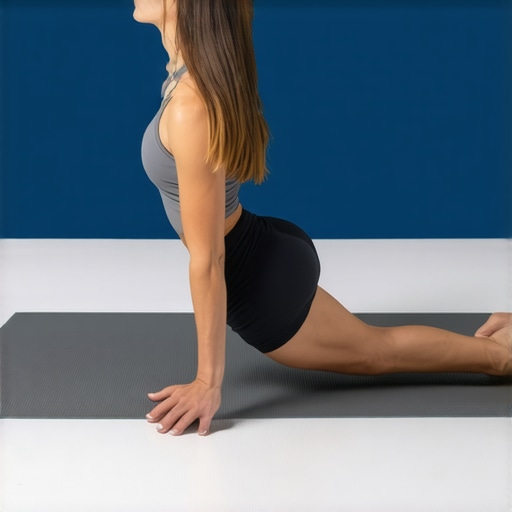
Release the Tension Cable Hiding in Your Abdomen
The psoas is like a high-tension cable connecting your lower back to your legs. When you sit, this cable stays shortened and eventually starts to ‘rust’ in that position. When you finally stand up, that rusty cable yanks on your spine, causing that sharp ‘twang’ of pain. You don’t need a massage therapist to dig their elbows into your gut to fix this. You can perform the psoas release you can do while watching TV by using a soft ball or even just strategic breathing in a half-kneeling position. The goal isn’t to beat the muscle into submission but to signal the nervous system that it’s safe to let go. Once that cable relaxes, you’ll notice you can stand taller without that constant feeling of being pulled forward.
Don’t Just Stand Up—Hinge Your Way Out of Pain
The moment you stand up is the moment your L5-S1 disc is at its highest risk. Most people lead with their chests and arch their backs, which acts like a nutcracker on the spine. Instead, you need to use a hip hinge. Push your butt back slightly and use your glutes to drive the movement. Learning how to sit without compressing your L5-S1 disc is only half the battle; you have to exit the chair with the same intention. If you feel a sharp jab when you rise, you are likely making the hip hinge error causing your sharp lower back stabs. Focus on driving your feet into the floor and keeping your core braced, as if you’re about to take a light punch to the stomach. This simple shift in mechanics protects the work you did on the floor and keeps your spine neutral as you transition back into the world.
The Perfect Posture Lie is Hurting Your Recovery
It’s one thing to get moving; it’s another to understand the ‘why’ behind the pain. Most of my clients come in with the same set of misconceptions that I used to have. For instance, we’ve been told since kindergarten to ‘sit up straight,’ but forcing yourself into a rigid, military-style posture is often a recipe for disaster. Research, including a notable systematic review in the British Journal of Sports Medicine, suggests there is no single ‘gold standard’ for posture that universally prevents pain. In fact, why your back hurts more when you try to sit perfectly straight is often due to the extreme muscular fatigue of trying to maintain an unnatural, static spine. The best posture is actually your next posture—constant micro-movements are far more beneficial than holding a ‘perfect’ position for an hour.
Stop Using Heat on Every Sudden Back Spasm
Then there is the common ‘heat trap.’ When your back goes into a violent spasm, your first instinct is likely to reach for a heating pad. It feels good in the moment, I know. However, why heat is often the wrong choice for a sudden back spasm comes down to the underlying physiology of acute injury. Heat increases blood flow and metabolic activity in an area that is already likely dealing with inflammatory ‘fire.’ If there is a fresh disc issue or a nerve root irritation, adding heat can actually increase the local swelling, making the space for the nerve even tighter. If you’ve ever used a heating pad at night only to wake up unable to move the next morning, you’ve experienced this inflammatory rebound firsthand. Have you ever fallen into this ‘stretching the pain’ trap or relied too heavily on the heating pad? Let me know in the comments.
Why Does Your Adjustment Seem to Wear Off by Thursday?
This is the most common question I get from people who are serious about their recovery. They feel like a million bucks after a session, but by the time the weekend rolls around, the familiar ‘clunkiness’ returns. This usually happens because the joint isn’t the primary problem—it’s the lack of stability in the tissues surrounding it. If the real reason your si joint keeps shifting out of place is a failure of the deep core and glute stabilizers, then the adjustment is just a temporary reset on a broken system. To make the relief stick, you have to follow up with strategic chiropractic solutions for long-term back health that prioritize motor control over just ‘moving the bone.’ 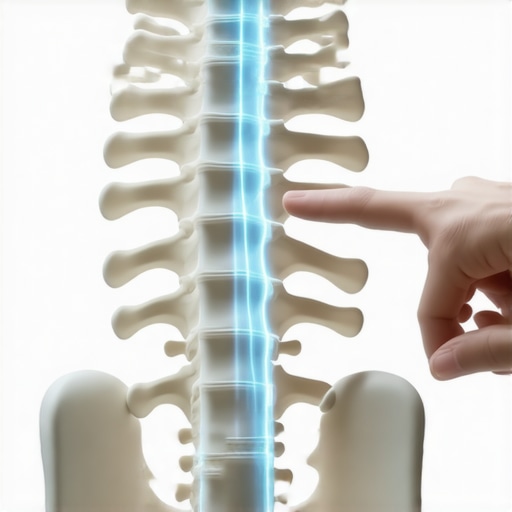
The Stability Secret Most Lifters Ignore
When you are back in the gym, the temptation is to stretch the ‘tight’ feeling away. But as we discussed earlier, why your morning stretching routine is making you stiffer by noon is often because that tightness is a protective ‘brake’ applied by your nervous system. If your brain feels your spine is unstable, it will lock down your hamstrings and hips to keep you from hurting yourself. This is exactly what your chiropractor wishes you knew about heavy lifting: you cannot stretch your way out of an instability problem. You have to earn that range of motion by showing your nervous system that you can control the movement. Instead of more passive stretching, focus on loaded carries or slow, controlled movements that challenge your balance while keeping your spine neutral. Only then will your body feel safe enough to let go of that chronic tension for good.
Moving from the gym floor back to the real world is where most people lose their progress. If you’ve done the work to unlock your joints, the last thing you want is for your daily habits to undo that freedom by lunch. Maintenance isn’t about doing an hour of rehab every day; it’s about making sure your environment doesn’t force your body back into a defensive crouch. This is where essential tips for managing back pain through healthy lifestyle choices become your greatest asset. I’ve found that the way I organize my workspace and the small tools I keep within arm’s reach dictate whether I’ll need an extra adjustment by Friday or if I’ll feel light on my feet.
The Gear That Actually Lives in My Gym Bag
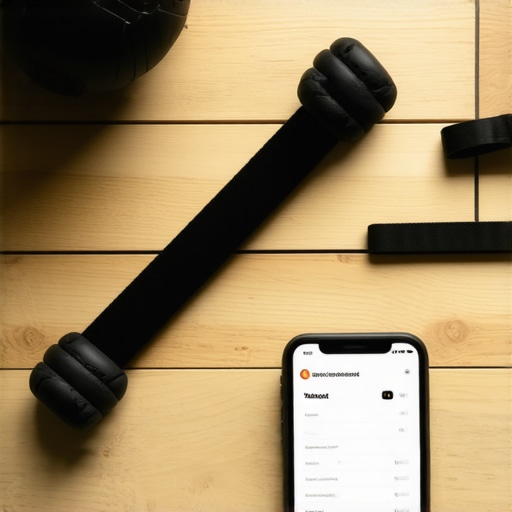
I’m a bit of a minimalist when it comes to gadgets, but there are three things I won’t travel without. First is a standard lacrosse ball. I don’t use it for my lower back—remember, why you should stop rolling your lower back on a tennis ball is because you need stability there, not more mobility—but I use it for my glutes and the arches of my feet. Releasing the fascia in your feet with the 30-second foot massage for instant lower back relief can actually change how your pelvis tilts when you stand. Second, I use a heavy-duty resistance band for joint distractions. Sometimes the ‘tightness’ you feel isn’t a muscle; it’s the joint capsule itself. Using a band to pull the femur slightly away from the hip socket while you move creates space that no amount of stretching can replicate. Finally, I’m a huge advocate for using a dedicated mobility app like GOWOD or Pliability to track my progress. Seeing your range of motion improve in degrees on a screen makes the boring maintenance work feel like a game you’re winning.
How do I keep my spine happy for the long haul?
Consistency is the only metric that matters. To make these changes permanent, you need strategic chiropractic solutions for long-term back health that move beyond the ‘crack and go’ mentality. A study published in the Journal of Manipulative and Physiological Therapeutics (JMPT) found that patients who engaged in maintenance care—meaning they received periodic adjustments even when they weren’t in acute pain—experienced 12.8 more days without bothersome low back pain per year than those who waited for a crisis. I’ve seen this play out in my own life. If I wait until I can’t put my socks on, the recovery takes weeks. If I address the ‘clunkiness’ while it’s still just a minor annoyance, I stay in the game. You should also look at the secret to staying adjusted while sleeping on your side to ensure you aren’t undoing all your hard work during the eight hours you’re unconscious.
AI and Wearables are the Next Frontier for Back Health
Looking ahead, I think we are moving toward a world where your clothes tell you when your posture is failing. We already have smartwatches that track our steps, but I’m seeing more integration of haptic feedback sensors in shirts and chairs that vibrated when you start to ‘spill the water’ from your pelvic bowl. This real-time feedback loop will bridge the gap between your morning routine and your 10-hour shift. Until those become mainstream, the best ‘sensor’ you have is your own awareness of how to sit without compressing your L5-S1 disc. My challenge to you today is to try one advanced move: before your next squat session or even your next long walk, perform the 30-second big toe stretch for better squat depth. It sounds disconnected, but the way your big toe interacts with the ground dictates your entire kinetic chain. If you can’t push off your toe, your hip can’t fully extend, and your lower back will eventually pay the price.
What Most Experts Won’t Tell You About Chronic Hip Tightness
After years of navigating my own recovery and helping others through theirs, I’ve realized that the ‘tightness’ we feel isn’t just a physical length issue—it’s a neurological conversation. Here are the three hardest lessons I learned the hard way:
- Your brain is a overprotective parent: If your nervous system senses instability in your core, it will ‘lock’ your hips as a secondary brake. This is why strategic chiropractic solutions for long-term back health focus on stability just as much as mobility.
- Passive stretching is often a trap: Tugging on a muscle that is tight because of a structural imbalance can actually trigger a stretch reflex that makes it tighter. Real progress happens when you combine expert chiropractic adjustments that work with active movement patterns.
- Small wins compound: You don’t need to spend an hour on the floor. Five minutes of decompression after a shift is worth more than a two-hour yoga session once a month.
The Minimalist Toolkit That Keeps Me Pain-Free
I don’t believe in cluttering your gym bag with expensive gadgets. Instead, I rely on a few high-value items that provide a genuine return on investment. First, a standard lacrosse ball for targeted glute work is essential, but remember why you should stop rolling your lower back on a tennis ball—your lumbar spine needs support, not aggressive pressure. Second, I recommend a heavy-duty resistance band for ‘joint flossing,’ which helps create space in the hip socket that static stretching simply can’t reach. Finally, the most important tool is your own daily routine; following essential tips for managing back pain through healthy lifestyle choices will do more for your longevity than any piece of equipment ever could.
Take the First Step Toward a Spine That Works With You
We often treat our bodies like they are machines with fixed parts, but you are a dynamic biological system capable of incredible adaptation. You are not ‘stuck’ with the back pain you have today. By shifting your focus from ‘fixing’ symptoms to ‘optimizing’ movement, you change the trajectory of your health for decades to come. Whether you are seeking to discover how chiropractic adjustments can alleviate chronic back pain or simply looking to hit a deeper squat, the secret lies in the consistency of your care. Don’t wait for your body to scream before you decide to listen. Have you ever tried to stretch a ‘tight’ hip only for it to feel even more restricted an hour later? Let me know your experience in the comments below!