
I used to think I was just getting older, or maybe I was just one of those people destined to have a crunchy neck. For three years, I sat at my desk, grinding through emails, while a slow-burning fire started at the base of my skull and radiated down into my shoulder blades. I tried everything. I bought the most expensive ergonomic chair on the market, I religiously followed guides on how to set up your laptop for better neck alignment, and I even spent a small fortune on massage guns. Nothing worked. Then, one Tuesday afternoon, I caught my reflection in a window. I looked like a turtle trying to hide in its shell. My shoulders were hiked up nearly to my earlobes because my armrests were just two inches too high. It was a total lightbulb moment. I wasn’t just stressed; I was physically forcing my trapezius muscles to work a double shift every single day. Today, I’m going to show you exactly how to find that ‘Goldilocks zone’ for your armrests so you can finally stop that nagging ache.
Your Office Chair is Secretly Sabotaging Your Traps
It is incredibly easy to overlook the two plastic slabs on the sides of your chair, but they are the silent gatekeepers of your spinal health. When your armrests are set incorrectly, your body has to compensate. If they are too low, your arms hang, pulling on your neck muscles. If they are too high, you end up in a perpetual shrug. This constant tension is a major reason why how a weak core actually causes chronic neck tension because your upper body is doing all the heavy lifting to keep you upright. According to research from the Cornell University Ergonomics Web, improper arm support can increase the load on your cervical spine by over 20%, leading to chronic fatigue in the levator scapulae and trapezius muscles. I made the massive mistake of thinking the armrests were just there for ‘relaxing’ during breaks. In reality, they should be active participants in your posture throughout the entire workday. Have you ever noticed that you subconsciously hike your shoulders up to your ears by the time the afternoon slump hits?
Can a few inches of plastic really fix my neck?
You might be skeptical. After all, we are told that neck pain comes from ‘tech neck’ or looking down at phones. While that is true, your armrests dictate the baseline tension of your entire upper chain. I spent months trying to crack my own neck at the desk just to get five minutes of relief, never realizing that the solution was literally right under my elbows. When your arms are properly supported at a 90-degree angle, your shoulders can finally ‘drop’ and relax. This takes the mechanical pressure off the nerves and muscles that lead directly into your skull. If you have been struggling with a persistent burning sensation between your shoulder blades, the fix might be much simpler than you think. Let’s dive into the physical mechanics of the perfect height.
Drop Your Shoulders Before You Touch the Buttons
Think of your arms like two five-pound dumbbells hanging directly from your neck and upper spine. If they aren’t supported, your upper traps and levator scapulae act like frayed ropes trying to keep those weights from falling all day long. Before you even look at your chair’s adjustment levers, you need to find your body’s ‘zero point.’ Sit tall, take a deep breath, and let your arms hang completely limp by your sides. This is the only way to ensure the real cause of that burning sensation between your shoulder blades isn’t being masked by your current setup. Many people skip this and adjust their chair while already tensed up, which just locks the tension in place. You want your shoulders to feel heavy and low, far away from your ears, before you bring the armrests up to meet them.
The Ghost Touch Method for Perfect Height
Now, while maintaining that relaxed shoulder position, slowly raise your armrests until they just barely graze the underside of your elbows. I call this the ‘Ghost Touch.’ If the armrest pushes your elbow up even a fraction of an inch, your shoulder blade will upwardly rotate, and you’ll be back in that perpetual shrug. I learned this the hard way during a freezing winter month when I was wearing a thick, chunky wool sweater every day. I had adjusted my armrests to feel ‘firm’ against the sweater, but the extra half-inch of fabric was actually shrugging my shoulders for me. By lunch, I had a massive tension headache. I had to perform a 10-second posture reset you can do at your desk to realize my gear was working against my anatomy. Ideally, your elbows should form a 90 to 100-degree angle, allowing your forearms to rest parallel to the floor without your wrists having to angle upward to reach the keys.
Don’t Ignore the Width and Pivot
Most high-end chairs allow you to slide the armrests inward or outward. If they are too wide, you’ll likely flare your elbows out like a bird about to take flight, which creates a ‘winging’ effect on your shoulder blades and strains the rotator cuff. You want the armrests tucked close enough to your ribs that your upper arms can hang vertically. This alignment prevents you from having to fix the forward shoulder slump from cell phone use and computer work because it keeps your chest naturally open. If your chair has a pivot feature, angle the pads slightly inward toward the space bar. This supports the natural taper of your forearms as you type, ensuring your entire arm—from elbow to wrist—is mechanically supported.
Why Your Desk and Chair Must Work Together
The biggest mistake is treating your chair like an island. Your armrests and your desk surface should ideally live on the same horizontal plane. If your desk is higher than your armrests, you will naturally abandon the armrests and reach forward, which pulls your spine into a C-shape. This is why people often mistakenly turn to posture braces and risk muscle atrophy; they are trying to fix a reaching problem with a strap. Instead, once your armrests are set to your body, adjust your chair height or use a footrest so your armrests can slide just under or sit flush with the desk edge. This creates a continuous bridge of support, allowing you to adjust your monitor to stop mid-back burning effectively because your base is finally stable. Learning how to safely adjust your own posture throughout the day starts with these mechanical foundations.
Let’s dig deeper into the mechanics I mentioned above. While setting your armrests is a huge piece of the puzzle, it is often just the first step in a much larger dance between your brain and your spine. A common mistake I see—and one I lived through for years—is the belief that if a muscle feels ‘tight,’ it simply needs more stretching. In reality, chronic tightness is often your brain’s way of protecting an unstable joint. When you spend all day with poor support, your nervous system enters a state of ‘protective guarding.’ This is exactly why stretching your hamstrings won’t fix your chronic tightness or why pulling on your neck won’t release your traps; you are trying to stretch a biological splint that your brain has put there for a reason.
Your Brain is Locking Your Muscles on Purpose
If your spine lacks stability because your core is disengaged or your posture is collapsed, your brain will command the surrounding muscles to tighten up to prevent injury. If you just stretch those muscles without addressing the underlying stability, the brain will simply tighten them back up within minutes, often even harder than before. This is a classic trap in sports rehab where people focus on flexibility at the expense of control. To find real relief, you have to prove to your nervous system that it is safe to let go. This requires more than just mechanical alignment; it requires expert chiropractic adjustments that work to reset those neural pathways and restore proper joint play.
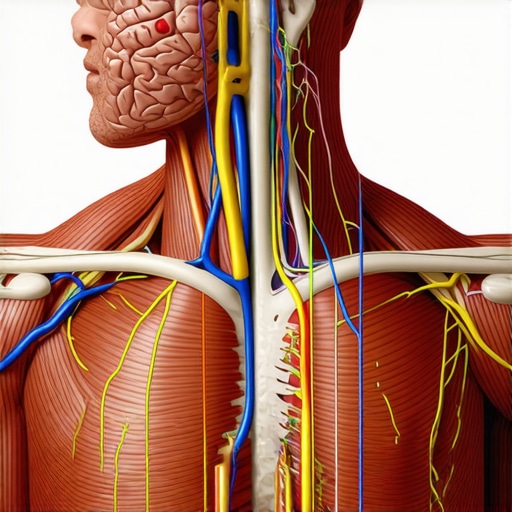
Why do my adjustments feel like they wear off after 48 hours?
This is perhaps the most sophisticated question I get from people who are serious about their recovery. You feel great leaving the office, but by the second or third day, that familiar ache returns. This happens because of ‘muscle memory’—not in the muscles themselves, but in the motor patterns stored in your cerebellum. According to research published in the *Journal of Bodywork and Movement Therapies*, if you don’t follow up an adjustment with specific stability exercises, your nervous system will revert to its old, painful ‘set point.’ This is the truth about why your adjustments don’t seem to last; you are essentially trying to install new software on an old, corrupted operating system without hitting ‘save.’
Stop Trying to Pop Your Own Spine
The ‘Oops’ factor that most people fall for is the habit of self-adjusting. When you crack your own neck or back at your desk, you aren’t usually hitting the segment that is stuck. Instead, you are forcing the segments above and below it—which are already moving too much—to pop. This creates a temporary rush of endorphins, but it actually increases the instability that caused the pain in the first place. This is the truth about cracking your own neck at your desk: you’re essentially picking a scab that needs to heal. Furthermore, many of us reach for ice to numb the resulting inflammation, but why icing your lower back might be slowing down recovery is a growing concern among specialists because it can inhibit the natural blood flow required for tissue repair. Have you ever fallen into this trap of over-stretching or self-cracking only to feel tighter the next day? Let me know in the comments.
Once you stop the cycle of self-adjusting and over-stretching, you begin the transition from ‘fixing a fire’ to ‘preventing the spark.’ I’ve found that the shift from reactive to proactive care is where the magic happens. I used to only book a session when I couldn’t turn my head; now I focus on strategic chiropractic solutions for long-term back health before the crisis hits. It’s about building what Dr. Stuart McGill, a world-renowned spine biomechanics expert, calls ‘spinal hygiene’—the daily habits that preserve the integrity of your discs and ligaments.
How can I maintain my spinal alignment between professional visits?
The key is consistency over intensity. You don’t need a two-hour gym session; you need two-minute ‘micro-breaks’ sprinkled throughout the day. I’m a huge fan of using specific tools to manage the daily load of desk work. For instance, I always keep a lacrosse ball in my desk drawer. Learning how to use a lacrosse ball to melt away mid-back knots has been a total game-changer for those days when my traps start to creep up despite my best ergonomic efforts. I also swear by how to use kinesiology tape for lower back support during long travel days or heavy lifting sessions. It provides that tactile feedback my brain needs to stay upright without the risk of muscle atrophy that comes with rigid braces.
The Tools That Actually Live in My Gym Bag
Maintaining your body is a lot like maintaining a high-performance car; you don’t wait for the engine to seize to change the oil. I’ve noticed that how regular adjustments can lower your resting heart rate by reducing the overall stress on your autonomic nervous system. This is a huge part of essential tips for managing back pain through healthy lifestyle choices. It is about creating an environment where your body can recover from the demands of your sport or your career without being constantly pushed to its breaking point.
#IMAGE_PLACE_HOLDER_D#
Predicting the Future of Your Back Health
Looking ahead, I think we’re going to see a massive shift toward ‘Bio-Ergonomics.’ We are moving past static chairs and into wearable sensors that vibrate when your posture slips, or AI software that analyzes your movement patterns in real-time through your webcam. It’s an exciting time, but the fundamentals—alignment and stability—will always be king. If you’re ready to take this seriously, my challenge to you is this: for the next three days, set a phone timer for every hour and use the ‘Ghost Touch’ method I mentioned earlier to reset your armrests. Your traps will thank you.
Three Lessons My Traps Had to Learn the Hard Way
Reflecting on my journey, the biggest takeaway wasn’t just about finding the right chair height; it was about realizing that ergonomics is a living practice. I spent years assuming a one-time adjustment would save me, but I now know that discover how chiropractic adjustments can alleviate chronic back pain by serving as a regular reset for the nervous system, not just a fix for a crisis. I also learned that the role of chiropractic care in effective sports injury recovery is identical to recovering from a 60-hour work week—your tissues need the same respect as an athlete’s. Finally, I realized that if I didn’t address the ‘why’ behind my tension, no piece of plastic would ever be enough.
The Minimalist Toolkit I Use to Stay Pain-Free
You don’t need a room full of gadgets to maintain a healthy spine, but a few intentional items are non-negotiable for me. I always keep a firm lacrosse ball nearby for quick trigger point work. I also make it a habit to learn how to check your own shoulder mobility in 30 seconds to see if my desk setup is starting to cause “creep” in my posture. If I’m training hard, enhancing athletic performance with targeted chiropractic care ensures my joints are moving correctly before I add weight. These simple habits create a safety net that prevents minor stiffness from becoming a major injury. #IMAGE_PLACEHOLDER_FINAL#
Give Your Nervous System Permission to Relax
Your spine is the central highway for every signal your brain sends to your body. When you optimize your armrests and commit to strategic chiropractic solutions for long-term back health, you aren’t just fixing a “crunchy” neck—you are clearing the path for better focus, energy, and comfort. You have the tools now to stop being a turtle in a shell. It’s time to drop your shoulders and get back to doing the work you love. Have you ever noticed your shoulders creeping toward your ears by 3:00 PM? Let me know in the comments below!