
I remember lying awake at 3 AM last November, my head feeling like it was trapped in a vice. My nose was so clogged I was breathing through my mouth like a marathon runner at mile 24, and every time I blinked, I felt a sharp throb right behind my eyes. I’d already tried the neti pot, the steam shower, and enough menthol rub to clear out a locker room. Nothing was budging. I was desperate. That’s when I stumbled across a technique that changed how I handle congestion forever. It wasn’t some fancy gadget or a new pill; it was just a specific way to interact with my own anatomy.
Stop Suffocating and Target the Right Nerve
Most of us treat sinus pressure like a plumbing issue. We think if we just flush it enough, it’ll go away. But after years of working with chiropractic care for sports injury recovery, I realized that congestion is often tied to how our nerves and tissues are reacting to inflammation. Back in the day, my biggest mistake was overusing decongestant sprays. I’d use them for five days straight, only to end up with rebound congestion that was twice as bad as the original cold. It was a vicious cycle. Now, I focus on the off switch located right on your face. We are going to find that exact spot today so you can finally stop mouth-breathing and get some sleep. Have you ever felt like your head was literally too heavy for your neck during a sinus flare-up?
Does pushing on your face actually work?
I get the skepticism. It sounds a bit like magic until you look at the science of mechanoreceptors. When you apply pressure to specific areas, you aren’t just moving skin; you’re stimulating branches of the trigeminal nerve. According to data from medical authorities like Johns Hopkins, physical stimulation of these pathways can influence how we perceive pain and pressure in the face. It’s a similar principle to how chiropractic adjustments alleviate chronic pain by resetting the input to your brain. It isn’t a miracle; it’s a mechanical override for your body’s alarm system. By the way, if you find that your sinus issues are always accompanied by a stiff neck, you might want to look into better neck alignment for your laptop setup because everything in that upper cervical area is deeply connected. If your nervous system is on high alert, even a little bit of mucus feels like a major blockage. Learning to use diaphragmatic breathing to calm your nervous system can also help lower that overall sensitivity.
Start with the Maxillary Glide
The first step to actually clearing a blockage isn’t blowing your nose harder; it is creating space for the fluid to move. I like to call this the ‘Maxillary Glide.’ Think of your sinuses like a clogged drain in a sink. If the pipes are compressed, no amount of Drano will fix it. You have to physically open the path. Take your thumbs and place them right at the base of your cheekbones, close to your nose. Press firm and push outward toward your ears. I remember doing this once in a cramped airplane bathroom halfway to Denver. I felt a literal ‘pop’ in my right cheek, and within seconds, I could actually feel the cool air hitting the back of my throat for the first time in three days. It wasn’t magic; I was simply using mechanical leverage to pull the facial bones slightly apart, allowing the underlying tissue to decompress. 
Release the Jaw to Drain the Head
Most people don’t realize how much their masseter muscles—the big ones you use to chew—contribute to sinus stagnation. If your jaw is tight, it acts like a clamp on the lymphatic drainage pathways of your face. You can learn how to safely adjust your own posture throughout the day, but if you don’t address this specific facial tension, the pressure stays trapped. Reach your index finger inside your mouth toward the very back of your upper molars. You’ll feel a meaty, tender area. This is the lateral pterygoid. Apply gentle pressure here while opening and closing your mouth. It might feel slightly uncomfortable, but this is often the ‘off switch’ for that deep, thumping sinus headache. This is similar to how chiropractic adjustments can help your breathing by removing the structural barriers that keep your systems from functioning at 100%.
Fix Your Neck to Clear Your Head
If your head feels like a bowling ball, your neck is likely in a state of constant guard. When we have a ‘forward head posture,’ we compress the suboccipital nerves at the base of the skull, which can actually exacerbate the sensation of facial pressure. I’ve seen patients who thought they had chronic allergies, but they really just had a mechanical issue from staring at a screen all day. You might notice why your headaches start at the computer is often tied to this exact misalignment. To fix this, try a simple retraction. Pull your chin straight back, making a ‘double chin,’ and hold for three seconds. This resets the tension in the upper cervical spine. If you feel the urge to pop your neck during this, be careful and understand the truth about cracking your own neck at your desk before you make it a habit. Use a 10-second posture reset you can do at your desk every hour to keep the drainage pathways open. When your spine is aligned, your body can focus on fighting the inflammation instead of just trying to hold your head up.
While those facial glides and jaw releases I mentioned earlier offer immediate relief, let’s dig deeper into why these problems keep coming back. Most people fall into the trap of thinking that a ‘crack’ or a quick stretch is a permanent fix. In my experience, the biggest nuance people miss is that your body isn’t just a series of pipes and hinges; it is a highly reactive electrical system. If you only treat the mechanics without addressing the neurological ‘software,’ you are just hitting the snooze button on your pain. This is often the truth about why your adjustments don’t seem to last—the brain still thinks the area needs to be protected, so it clamps the muscles back down within hours.
The Trap of Chasing the Pop
Everyone says that the louder the ‘pop,’ the better the adjustment. But here is a contrarian view: the sound is actually the least important part of the process. That audible release is just gas bubbles escaping the joint capsule. Real progress happens when we influence the mechanoreceptors within the joint to tell your brain to stop the ‘guarding’ reflex. If you are constantly trying to self-adjust your neck to clear your sinuses, you might actually be creating hypermobility in the wrong joints, making your instability worse. To revolutionize your rehab with chiropractic techniques for faster recovery, you have to focus on controlled, specific input rather than just chasing a loud noise.
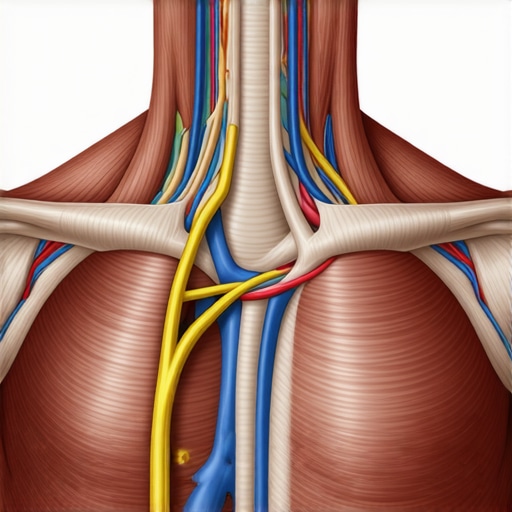
According to a study published in the Journal of Manipulative and Physiological Therapeutics, the therapeutic benefit of an adjustment comes more from the rapid sensory input to the central nervous system than the literal ‘re-alignment’ of a bone. This means if your nervous system is stuck in a ‘fight or flight’ state, no amount of physical manipulation will hold until you calm the system down. This is where the science behind chiropractic adjustments for back pain relief really shines—it’s about resetting the communication loop between your spine and your brain.
Why do my muscles feel tight even after I stretch them?
This is the ‘Oops’ factor that ruins most recovery plans. Most people assume that a ‘tight’ feeling means a muscle is short and needs to be pulled. In reality, that tightness is often ‘neural tension’—your nerves are being stretched like a guitar string, and pulling on them more only makes the inflammation worse. This is why why stretching your hamstrings won’t fix your chronic tightness if the issue is actually coming from your sciatic nerve or your lumbar spine. If you feel a sharp, zingy, or cold sensation when you stretch, stop immediately. You aren’t helping; you’re irritating a nerve that is already reaching its limit.
Stop Pulling on Your Nerves Like a Rubber Band
Instead of aggressive stretching, we use something called nerve gliding or flossing. This technique slides the nerve back and forth through its pathway without putting it under tension. It is a game-changer for people dealing with referred pain or that ‘stuck’ feeling in their sinuses and neck. If you have ever felt a weird tingle in your hand while trying to fix your neck posture, you need to learn the nerve gliding routine that helps relieve arm numbness. It’s about being precise and gentle rather than forceful. Have you ever fallen into this trap of over-stretching a ‘tight’ muscle that never seems to loosen? Let me know in the comments.
I’ve spent a small fortune on massage guns and vibrating rollers, but if I’m being honest, the tool I reach for every single morning is a standard lacrosse ball. It sounds primitive, but the density of that rubber provides a level of precision that a bulky machine just can’t replicate. I use it specifically for ‘tack and stretch’ techniques on my upper traps and rhomboids. When you learn how to use a lacrosse ball to melt away mid-back knots, you aren’t just rubbing a sore spot; you are creating a localized stretch that tells the nervous system it is safe to let go of that protective tension. This is the cornerstone of keeping those drainage pathways open long after the initial ‘glide’ techniques have done their work.
Stick to the basics for lasting relief
For most people, the difference between a flare-up every month and living pain-free is the consistency of their ‘movement snacks.’ I don’t expect you to do a 40-minute rehab session every day; I certainly don’t. Instead, I rely on a 10-second posture reset you can do at your desk every time you finish a phone call or an email. This prevents the cumulative load from reaching a tipping point where your neck starts guarding and your sinuses start backing up again. According to Dr. Leon Chaitow, a pioneer in osteopathic medicine, the key to systemic health is maintaining the ‘compliance’ of the soft tissues—basically, keeping them springy rather than brittle. If you let your tissues get brittle from lack of movement, you are setting yourself up for a relapse.
How do I maintain these results over time?
The secret is integrating movement into your existing environment rather than fighting against it. For instance, I’ve adjusted my workspace so that my eye line is naturally higher, which drastically reduces the strain on my suboccipital muscles. You can see how to set up your laptop for better neck alignment to make this a passive part of your day. Furthermore, focusing on strategic chiropractic solutions for long-term back health means looking at the body as a whole. If your lower back is tight, it can actually pull on the fascia all the way up to your skull. 
The future of movement is neurological
I predict that in the next five years, the focus of sports rehab will shift entirely away from ‘stretching tight muscles’ and toward ‘desensitizing the nervous system.’ We are already seeing this with the rise of bio-feedback and neuro-centric drills. We are learning that how spinal alignment directly impacts your athletic performance isn’t just about the position of the bones, but the speed of the signals traveling through them. If you want to stay ahead of the curve, stop thinking about your body as a car that needs parts replaced and start thinking of it as a computer that needs its software updated. I challenge you to try the ‘Maxillary Glide’ I mentioned earlier, but this time, combine it with diaphragmatic breathing to calm your nervous system. Notice how much faster the pressure releases when your brain isn’t in ‘survival mode.’I remember lying awake at 3 AM last November, my head feeling like it was trapped in a vice. My nose was so clogged I was breathing through my mouth like a marathon runner at mile 24, and every time I blinked, I felt a sharp throb right behind my eyes. I’d already tried the neti pot, the steam shower, and enough menthol rub to clear out a locker room. Nothing was budging. I was desperate. That’s when I stumbled across a technique that changed how I handle congestion forever. It wasn’t some fancy gadget or a new pill; it was just a specific way to interact with my own anatomy.
Stop Suffocating and Target the Right Nerve
Most of us treat sinus pressure like a plumbing issue. We think if we just flush it enough, it’ll go away. But after years of working with chiropractic care for sports injury recovery, I realized that congestion is often tied to how our nerves and tissues are reacting to inflammation. Back in the day, my biggest mistake was overusing decongestant sprays. I’d use them for five days straight, only to end up with rebound congestion that was twice as bad as the original cold. It was a vicious cycle. Now, I focus on the off switch located right on your face. We are going to find that exact spot today so you can finally stop mouth-breathing and get some sleep. Have you ever felt like your head was literally too heavy for your neck during a sinus flare-up?
Does pushing on your face actually work?
I get the skepticism. It sounds a bit like magic until you look at the science of mechanoreceptors. When you apply pressure to specific areas, you aren’t just moving skin; you’re stimulating branches of the trigeminal nerve. According to data from medical authorities like Johns Hopkins, physical stimulation of these pathways can influence how we perceive pain and pressure in the face. It’s a similar principle to how chiropractic adjustments alleviate chronic pain by resetting the input to your brain. It isn’t a miracle; it’s a mechanical override for your body’s alarm system. By the way, if you find that your sinus issues are always accompanied by a stiff neck, you might want to look into better neck alignment for your laptop setup because everything in that upper cervical area is deeply connected. If your nervous system is on high alert, even a little bit of mucus feels like a major blockage. Learning to use diaphragmatic breathing to calm your nervous system can also help lower that overall sensitivity.
Start with the Maxillary Glide
The first step to actually clearing a blockage isn’t blowing your nose harder; it is creating space for the fluid to move. I like to call this the ‘Maxillary Glide.’ Think of your sinuses like a clogged drain in a sink. If the pipes are compressed, no amount of Drano will fix it. You have to physically open the path. Take your thumbs and place them right at the base of your cheekbones, close to your nose. Press firm and push outward toward your ears. I remember doing this once in a cramped airplane bathroom halfway to Denver. I felt a literal ‘pop’ in my right cheek, and within seconds, I could actually feel the cool air hitting the back of my throat for the first time in three days. It wasn’t magic; I was simply using mechanical leverage to pull the facial bones slightly apart, allowing the underlying tissue to decompress.
Release the Jaw to Drain the Head
Most people don’t realize how much their masseter muscles—the big ones you use to chew—contribute to sinus stagnation. If your jaw is tight, it acts like a clamp on the lymphatic drainage pathways of your face. You can learn how to safely adjust your own posture throughout the day, but if you don’t address this specific facial tension, the pressure stays trapped. Reach your index finger inside your mouth toward the very back of your upper molars. You’ll feel a meaty, tender area. This is the lateral pterygoid. Apply gentle pressure here while opening and closing your mouth. It might feel slightly uncomfortable, but this is often the ‘off switch’ for that deep, thumping sinus headache. This is similar to how chiropractic adjustments can help your breathing by removing the structural barriers that keep your systems from functioning at 100%.
Fix Your Neck to Clear Your Head
If your head feels like a bowling ball, your neck is likely in a state of constant guard. When we have a ‘forward head posture,’ we compress the suboccipital nerves at the base of the skull, which can actually exacerbate the sensation of facial pressure. I’ve seen patients who thought they had chronic allergies, but they really just had a mechanical issue from staring at a screen all day. You might notice why your headaches start at the computer is often tied to this exact misalignment. To fix this, try a simple retraction. Pull your chin straight back, making a ‘double chin,’ and hold for three seconds. This resets the tension in the upper cervical spine. If you feel the urge to pop your neck during this, be careful and understand the truth about cracking your own neck at your desk before you make it a habit. Use a 10-second posture reset you can do at your desk every hour to keep the drainage pathways open. When your spine is aligned, your body can focus on fighting the inflammation instead of just trying to hold your head up.
While those facial glides and jaw releases I mentioned earlier offer immediate relief, let’s dig deeper into why these problems keep coming back. Most people fall into the trap of thinking that a ‘crack’ or a quick stretch is a permanent fix. In my experience, the biggest nuance people miss is that your body isn’t just a series of pipes and hinges; it is a highly reactive electrical system. If you only treat the mechanics without addressing the neurological ‘software,’ you are just hitting the snooze button on your pain. This is often the truth about why your adjustments don’t seem to last—the brain still thinks the area needs to be protected, so it clamps the muscles back down within hours.
The Trap of Chasing the Pop
Everyone says that the louder the ‘pop,’ the better the adjustment. But here is a contrarian view: the sound is actually the least important part of the process. That audible release is just gas bubbles escaping the joint capsule. Real progress happens when we influence the mechanoreceptors within the joint to tell your brain to stop the ‘guarding’ reflex. If you are constantly trying to self-adjust your neck to clear your sinuses, you might actually be creating hypermobility in the wrong joints, making your instability worse. To revolutionize your rehab with chiropractic techniques for faster recovery, you have to focus on controlled, specific input rather than just chasing a loud noise.
According to a study published in the Journal of Manipulative and Physiological Therapeutics, the therapeutic benefit of an adjustment comes more from the rapid sensory input to the central nervous system than the literal ‘re-alignment’ of a bone. This means if your nervous system is stuck in a ‘fight or flight’ state, no amount of physical manipulation will hold until you calm the system down. This is where the science behind chiropractic adjustments for back pain relief really shines—it’s about resetting the communication loop between your spine and your brain.
Why do my muscles feel tight even after I stretch them?
This is the ‘Oops’ factor that ruins most recovery plans. Most people assume that a ‘tight’ feeling means a muscle is short and needs to be pulled. In reality, that tightness is often ‘neural tension’—your nerves are being stretched like a guitar string, and pulling on them more only makes the inflammation worse. This is why why stretching your hamstrings won’t fix your chronic tightness if the issue is actually coming from your sciatic nerve or your lumbar spine. If you feel a sharp, zingy, or cold sensation when you stretch, stop immediately. You aren’t helping; you’re irritating a nerve that is already reaching its limit.
Stop Pulling on Your Nerves Like a Rubber Band
Instead of aggressive stretching, we use something called nerve gliding or flossing. This technique slides the nerve back and forth through its pathway without putting it under tension. It is a game-changer for people dealing with referred pain or that ‘stuck’ feeling in their sinuses and neck. If you have ever felt a weird tingle in your hand while trying to fix your neck posture, you need to learn the nerve gliding routine that helps relieve arm numbness. It’s about being precise and gentle rather than forceful. Have you ever fallen into this trap of over-stretching a ‘tight’ muscle that never seems to loosen? Let me know in the comments.
I’ve spent a small fortune on massage guns and vibrating rollers, but if I’m being honest, the tool I reach for every single morning is a standard lacrosse ball. It sounds primitive, but the density of that rubber provides a level of precision that a bulky machine just can’t replicate. I use it specifically for ‘tack and stretch’ techniques on my upper traps and rhomboids. When you learn how to use a lacrosse ball to melt away mid-back knots, you aren’t just rubbing a sore spot; you are creating a localized stretch that tells the nervous system it is safe to let go of that protective tension. This is the cornerstone of keeping those drainage pathways open long after the initial ‘glide’ techniques have done their work.
Stick to the basics for lasting relief
For most people, the difference between a flare-up every month and living pain-free is the consistency of their ‘movement snacks.’ I don’t expect you to do a 40-minute rehab session every day; I certainly don’t. Instead, I rely on a 10-second posture reset you can do at your desk every time you finish a phone call or an email. This prevents the cumulative load from reaching a tipping point where your neck starts guarding and your sinuses start backing up again. According to Dr. Leon Chaitow, a pioneer in osteopathic medicine, the key to systemic health is maintaining the ‘compliance’ of the soft tissues—basically, keeping them springy rather than brittle. If you let your tissues get brittle from lack of movement, you are setting yourself up for a relapse.
How do I maintain these results over time?
The secret is integrating movement into your existing environment rather than fighting against it. For instance, I’ve adjusted my workspace so that my eye line is naturally higher, which drastically reduces the strain on my suboccipital muscles. You can see how to set up your laptop for better neck alignment to make this a passive part of your day. Furthermore, focusing on strategic chiropractic solutions for long-term back health means looking at the body as a whole. If your lower back is tight, it can actually pull on the fascia all the way up to your skull.
The future of movement is neurological
I predict that in the next five years, the focus of sports rehab will shift entirely away from ‘stretching tight muscles’ and toward ‘desensitizing the nervous system.’ We are already seeing this with the rise of bio-feedback and neuro-centric drills. We are learning that how spinal alignment directly impacts your athletic performance isn’t just about the position of the bones, but the speed of the signals traveling through them. If you want to stay ahead of the curve, stop thinking about your body as a car that needs parts replaced and start thinking of it as a computer that needs its software updated. I challenge you to try the ‘Maxillary Glide’ I mentioned earlier, but this time, combine it with diaphragmatic breathing to calm your nervous system. Notice how much faster the pressure releases when your brain isn’t in ‘survival mode.’
Hard Truths About Chasing Instant Sinus Relief
Realizing that sinus pressure isn’t just a ‘clogged pipe’ problem but a ‘nervous system alarm’ problem changed everything for me. One of the biggest lessons I learned is that the intensity of your congestion is often a reflection of how safe your brain feels. If your upper cervical spine is jammed, your trigeminal nerve stays on high alert, making even a tiny amount of inflammation feel like a vice. This is exactly the truth about why your adjustments don’t seem to last—your body is prioritizing protection over drainage when the neural pathways are blocked.
I also stopped trying to ‘force’ a release. In the past, I would press on my face so hard I’d leave bruises, thinking more pressure meant more progress. Now, I use light, rhythmic glides. The goal is to signal the mechanoreceptors to relax, not to physically squeeze the mucus out. When you lower the neurological threat level, the body naturally opens the floodgates. Force is the enemy of a sensitive system.
My Minimalist Kit for Heavy-Headed Days
You don’t need expensive equipment to manage these flare-ups at home. My daily toolkit is remarkably simple, focusing on the intersection of mechanics and neurology:
- The Lacrosse Ball: I use this for ‘tack and stretch’ on my upper traps. Learning how to use a lacrosse ball to melt away mid-back knots can indirectly clear your head by relaxing the muscles that pull on the base of your skull.
- Diaphragmatic Breathing: This is my go-to for lowering systemic tension. I recommend how to use diaphragmatic breathing to calm your nervous system as the first step in any sinus routine.
- Nerve Gliding: If you feel any tingling in your arms or hands along with your neck stiffness, check out the nerve gliding routine that helps relieve arm numbness to keep your peripheral nerves moving freely.
Take Control of Your Own Recovery
The path to long-term relief isn’t found in a pill bottle; it’s found in understanding how your body communicates with itself. By combining mechanical releases with neurological resets, you are giving your system the best chance to heal. Remember that consistency with small ‘movement snacks’ is far more effective than a once-a-month session. Implementing strategic chiropractic solutions for long-term back health starts with these daily habits. You have the tools now to stop the cycle of congestion and take your breath back. Which of these techniques gave you that first ‘pop’ of relief—the maxillary glide or the jaw release? Let me know in the comments.