
I remember the first time I hit a new personal best on heavy deadlifts. The adrenaline was high, but beneath that triumph was a frustrating nagging sensation—an inexplicable stiffness in my hips that made the lift feel harder than it should have. It wasn’t until I overlooked a crucial mobility check that I finally understood what was holding me back. Turns out, a tiny but persistent hip mobility error was subtly sabotaging my progress—and it might be doing the same to you.
The Real Reason Your Deadlifts Feel Off and How to Fix It
Many lifters, myself included, think that increasing strength and proper form alone are enough to squeeze maximum power out of heavy deadlifts. But what if there’s an overlooked mobility issue lurking beneath the surface—a misaligned hip or restricted movement—that’s preventing you from reaching your true potential? I discovered that optimizing hip mobility is often the missing piece of the puzzle, especially for heavy lifts. Improving this aspect can dramatically enhance your technique, reduce injury risk, and boost your deadlift numbers.
Could Hip Mobility Errors Be Causing Your Struggles?
One common mistake I made early on? Ignoring subtle restrictions in hip movement and convincing myself that stretching alone would do the trick. The truth is, a tight or misaligned hip joint doesn’t just limit your range—it can alter your entire lift mechanics, leading to compensations and inefficiencies that go unnoticed until pain or stagnation set in. The good news? There are targeted strategies to identify and address these mobility errors, and I’ll walk you through them. For example, regular assessments and specific drills—like those outlined in these mobility drills—can make a world of difference.
Before we dive into solutions, it’s crucial to understand why this problem arises and how it subtly impacts your lifting performance. Once you’re aware of these sneaky mobility errors, you can start taking proactive steps to correct them—transforming your deadlift and avoiding future setbacks.
Assess Your Hip Movement Range
Start by gauging your hip mobility to identify restrictions. Lie on your back and attempt to bring one knee towards your chest while keeping the other leg extended. If there’s resistance or your heel lifts off the ground, you’re likely experiencing mobility issues. During my own assessment, I used this simple test and discovered my hips lacked the necessary flexibility—a revelation that prompted targeted drills. Recognizing these limitations early prevents compensations during deadlifts and reduces injury risk.
Implement Dynamic Warm-Ups Before Lifting
Incorporate leg swings, hip circles, and bodyweight lunges to activate your hip joints dynamically. For example, I dedicate 5 minutes to leg swings—forward, backward, and lateral—to increase blood flow and loosen tissue. This prepares your hips for the demands of heavy lifting. Think of it like priming a squeaky door; a quick swing helps it open smoothly rather than forcing it open, which can cause damage.
Practice Targeted Mobility Drills Regularly
Consistent practice of specific mobility exercises is key. One drill I found effective is the 4 drills to fix the butt wink during deep squats—these improve posterior chain flexibility and control. Perform each for 2-3 minutes, focusing on slow and controlled movements. Over time, I noticed my hips moved more freely, and my deadlift form became more natural. Think of these drills as tuning a musical instrument; regular adjustments produce a harmonious lift instead of discordant strain.
Adjust Your Technique to Minimize Compensation
Small tweaks in your setup can reduce unnecessary hip stress. For instance, I gradually increased my deadlift stance width while ensuring my hips could comfortably reach the bar. It’s similar to fitting puzzle pieces together—you want the joint mobility to match your movement patterns. If you notice your hips tuck or shift during lifts, it’s a sign to revisit your setup and perhaps consult a professional for personalized feedback.
Strengthen Supporting Muscles
Building strength in the glutes, hamstrings, and core stabilizes your hips and improves mobility over time. Incorporate glute bridges, hamstring curls, and planks into your routine. I started adding a simple glute bridge to my warm-up and saw an immediate improvement in hip control. Think of it as reinforcing the foundation of a house—sturdy support prevents shifting and instability during heavy loads.
Consider Professional Guidance for Precision
If persistent restrictions linger, consult a mobility specialist or physical therapist. They can perform detailed assessments and provide tailored interventions. I once worked with a therapist who identified subtle hip misalignments, leading to manual adjustments and a personalized mobility plan. This external input is like having a mechanic fine-tune an engine—sometimes, a professional touch accelerates progress and prevents setbacks.
By systematically assessing, warming up, practicing targeted drills, adjusting technique, strengthening supportive muscles, and seeking professional help when needed, you can unlock lost hip mobility. This not only enhances your deadlift performance but also safeguards your body against injuries—turning those stubborn stiffnesses into seamless movement.
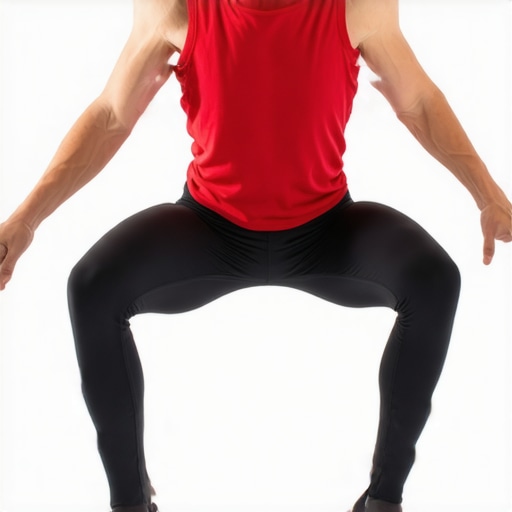 Many people believe that chiropractic adjustments are a quick fix for back pain, but the truth is more nuanced. A common misconception is that only spinal manipulation determines long-term relief, yet evidence suggests that combining adjustments with personalized exercises yields better outcomes. For instance, some practitioners overlook the significance of addressing neuromuscular patterns, which play a crucial role in chronic pain development. Ignoring these factors can lead to temporary fixes rather than sustainable recovery, and this is where many fall into the trap of continuous dependency on adjustments alone. An advanced nuance is understanding the importance of active patient participation—incorporating movement re-education techniques that reinforce correction rather than just passive treatment, as highlighted by a recent study in the Journal of Electromyography and Kinesiology. Additionally, a common myth is that back pain always stems from spinal misalignment, but research indicates that muscular imbalances, fascial restrictions, and neural contributions are often at play, and addressing these requires a comprehensive approach. Over-reliance on adjustments without correcting underlying movement dysfunctions can lead to recurrent pain, which frustrates both patients and providers. For example, neglecting supporting muscle strength or postural habits can nullify the effects of chiropractic care. Be wary of practitioners who focus solely on manipulation without integrating functional rehabilitation—this is a significant oversight and a potential pitfall. Instead, seek professionals who incorporate movement assessments and corrective strategies, such as targeted mobility drills and strengthening routines, to ensure durable results. Remember, the goal is not just pain alleviation but restoring optimal function, which demands understanding these hidden nuances. If you’re unsure whether your approach addresses these complexities, consider exploring resources like the importance of proper sitting posture or the mobility drills for back health. Have you ever fallen into this trap? Let me know in the comments.
Keeping Your Back Moving Strong for the Long Run
Maintaining your back health over time isn’t a one-and-done task; it requires a strategic approach with the right tools and habits. As a seasoned practitioner, I rely heavily on specific equipment and techniques that ensure my clients, and I, sustain optimal movement and reduce the risk of setbacks. In this section, I’ll share the exact tools I find indispensable and how to incorporate them into your routine for lasting results.
Invest in a Quality Foam Roller with a Narrow Profile
My go-to for myriads of soft tissue issues is a high-density foam roller, particularly one that’s firm but not abrasive. I prefer a roller with a diameter of 36 inches for general use but keep a 18-inch version handy for targeted trigger point work. Regular use helps prevent fascial restrictions that can develop into chronic pain. I dedicate 5 minutes post-exercise to roll my lower back, hips, and hamstrings, which are common trouble spots. This proactive maintenance prevents the buildup of adhesions, keeping my tissues supple and resilient.
Employ a Resistance Band for Strength and Mobility
Resistance bands are incredibly versatile, but I especially recommend the flat loop variety for dynamic warm-ups. For instance, I use bands to perform the glute activation drills I discussed earlier, like banded lateral walks and monster walks, which are vital for maintaining hip stability. Additionally, bands assist in corrective exercises such as shoulder blade resets, which are crucial for proper alignment during heavy lifts. Incorporating bands into your daily routine is like having a personal trainer on demand, guiding joint stabilization and muscular balance.
Use a Posture-Curating App to Track Daily Habits
Technology has advanced to a point where real-time feedback on posture and movement is at your fingertips. I personally use apps that prompt me to perform quick resets—like the scapular or rib flare corrections—to counteract the negative effects of prolonged sitting, or ‘text neck.’ These digital tools serve as your virtual coach, reminding you to reset your alignment throughout the day to prevent chronic strain. Consistent use of such apps has helped me and my clients develop awareness and habits that outlast the initial intervention.
Periodically Wear a Pain-Relief Wrap During Long Stretches
In my practice, I recommend using targeted wraps or braces during extended periods of activity, such as long drives or desk sessions. For example, a lumbar support belt worn during driving can alleviate undue stress on the lower back. These aren’t a substitute for strengthening but serve as a protective barrier. I suggest trialing a supportive, breathable wrap to see if it reduces discomfort, especially if you notice pain flaring up after prolonged static positions.
Plan to Review and Adjust Your Tools Annually
As your body adapts, so should your maintenance tools. Every year, I evaluate whether my foam rollers, resistance bands, and posture tools still meet my needs or need upgrading. Staying ahead of potential issues means you won’t be caught off guard by emerging tightness or pain. Think of it as tuning your vehicle; regular check-ins keep everything running smoothly and extend the lifespan of your body’s functional capacity.
Looking ahead, the trend is leaning toward integrating smart technology with rehab tools—wearable sensors that monitor movement quality and alert you to imbalances in real-time. This innovation will make self-maintenance more precise and personalized. Until then, implementing these tried-and-true tools will significantly enhance your long-term back health.
Ready to boost your maintenance game? Start by incorporating a foam roller like the one I recommend, and make it a daily habit. Combine that with a posture app, and you’re well on your way to sustaining movement and comfort for years to come. Remember, proactive maintenance beats reactive treatment—take control today!
< >
>
Image prompt: a person using a foam roller on their lower back against a neutral background, demonstrating muscle release technique, with alt text “Using a foam roller for back fascia release” and title “Foam Rolling for Long-Term Back Health”.
,
What I Wish I Knew About Hip Mobility and Deadlifts Early on
One of the most profound lessons I learned is that strength alone isn’t enough; mobility creates the foundation for power. Early in my lifting journey, I ignored subtle hip restrictions, which led to plateaus and unnecessary injury. Recognizing and addressing these limitations became the game-changer, reminding me that sometimes, the tiniest mobility tweak unlocks your true potential.
My Top Picks for Elevating Your Hip Flexibility
Over the years, I’ve curated a set of tools and resources that have consistently transformed my approach. The 4 mobility drills are hands-down essential for breaking through stiffness. Pair that with my trusted scapular reset techniques to ensure full-body harmony. And for ongoing assessment, the posture-curating app helps me stay conscious of movement patterns that impact hip function.
Embrace the Process: Your Body’s Hidden Symphony Is Waiting to Play
Improving hip mobility is an ongoing journey, not a quick fix. With patience, consistent practice, and the right tools, you’ll notice seamless lifts, reduced discomfort, and renewed confidence. Remember, your body’s greatest strength lies in its ability to adapt and evolve — so take action now and unleash the full potential of your deadlift with smarter mobility habits.