
Ever felt the sting of frustration during a squat, unable to go deeper no matter how much you try? I remember a client struggling on the rack, knees wobbling, and the lightbulb moment that hit me—her problem wasn’t her hips, but her toes. That realization changed everything for me and, more importantly, for her training. If you’ve ever wondered why your squat feels stuck and suspect it’s not just about hip flexibility, you’re in the right place. Today, we’ll unpack the surprising reason behind limited squat depth and how fixing your toe mobility can unlock new levels of performance.
Why Your Toes Are the Hidden Barrier to Deep Squats
Most lifters and trainers naturally assume that tight hips are the main culprit when depth stalls out. But my experience—and the latest research—points to a different villain: your toes. Yes, those tiny, often-overlooked parts of your body can be the gatekeepers to deeper, safer squats. When the big toe (hallux) doesn’t dorsi-flex properly, it hampers your ability to maintain a proper foothold, which in turn affects your ankle stability and knee tracking. Without optimal toe mobility, your body compensates—usually at the expense of form and safety.
Early in my career, I made the mistake of focusing solely on hip mobility, neglecting the role of the big toe. I thought, “If I can just stretch the hips more, everything will improve.” But clients still hit that squat wall consistently. That’s when I discovered the significance of simple toe stretches and strengthening drills. Incorporating targeted mobility work for your toes can have an immediate impact—sometimes within days—on how deep you can go, how well your knees track, and how comfortable you feel during the movement.
Supporting this, a study published in the Journal of Sports Sciences showed that increased toe-to-ground contact improves balance and propulsion during weight-bearing activities. So, if your toes are stiff or weak, your entire kinetic chain suffers, limiting your squat depth and risking injury.
Have you ever experienced a situation where you couldn’t go lower despite all your hip opening drills? You’re not alone. Many overlook this tiny but vital factor—and that’s exactly what we’ll focus on next. By paying attention to your toes, you might be surprised how much your squat improves with just a few simple tweaks, making the whole process more effective and less frustrating.
Assessing Your Toe Mobility
Start by checking your big toe’s movement. Sit on a chair, place your foot flat on the ground, and attempt to lift the toe without heels lifting. If you struggle, it’s a sign your toe mobility needs work. A quick self-test can reveal whether your toes are holding you back from full squat depth. I once had a client who couldn’t dorsiflex her big toe, limiting her squat depth. After a few sessions focusing on toe mobility drills, she was surprised how much deeper she could go, feeling more stable and confident. This illustrates how vital this often-overlooked step is.
Implementing Toe Stretching Techniques
Step 1: The Big Toe Stretch. Sit comfortably, cross one leg over the other, and grasp the top of your big toe with your fingers. Gently pull upwards and backwards, feeling a stretch along the underside of the toe. Hold for 30 seconds and repeat 3 times on each foot. This stretch targets tightness directly, helping restore dorsiflexion. I remember guiding a runner through this stretch during a quick session; within days, her ankle mobility improved noticeably, allowing her to squat lower without pain.
Step 2: Toe Flexion and Extension Exercises. Place a small towel or resistance band around your toes. Try to spread your toes apart against resistance, then curl them inward. Repeat each movement 15 times. These drills strengthen toe muscles, improving stability during squats and other weight-bearing movements.
Strengthening Your Toes for Better Balance
Stand barefoot, and try picking up small objects like marbles or towels with your toes. This enhances intrinsic toe muscle strength. Improved toe strength supports the arch and overall foot stability, critical for safe, deep squats. I once taught a weightlifter who felt unstable at the bottom of her squat. After a few weeks adding toe pick-up exercises, her balance improved, and she could squat with more confidence and less discomfort.
Integrating Toe Work into Your Routine
Consistently incorporate these drills into your warm-up or post-workout stretches. Focus on quality and control, emphasizing full range dorsiflexion. Remember, improving toe mobility is like fine-tuning a car engine — small tweaks lead to smoother, more powerful performance. Regular practice will help translate these gains into your main lifts, unlocking new depth and efficiency. For more specialized guidance, consider consulting with a sports rehab expert who can tailor mobilization techniques to your needs.
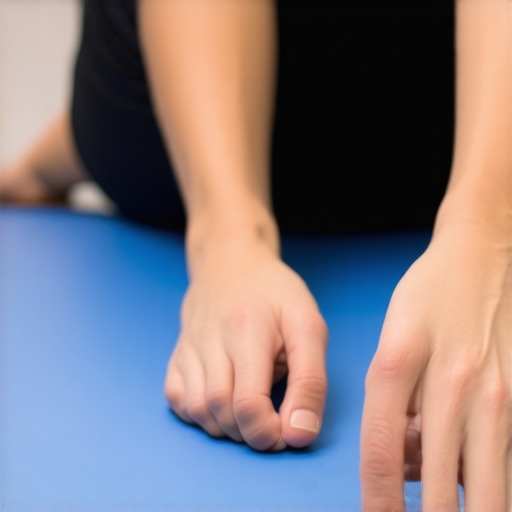
Many athletes and patients alike walk into clinics with preconceived notions about how sports rehab, chiropractic adjustments, and back pain management should work. While these therapies are powerful tools, a significant nuance often gets overlooked: the assumption that standard protocols are universally effective. In my experience, this isn’t always the case, and misunderstanding these complexities can lead to prolonged recovery or even new injuries.
Challenging the One-Size-Fits-All Approach
Practitioners and patients frequently believe that a specific adjustment or rehab routine applies equally to everyone. Yet, the human body’s biomechanics and neural responses are highly individualized. For instance, what works beautifully for one person might be ineffective or counterproductive for another, especially when factors like proprioception, movement patterns, or adaptive neuromuscular responses vary. Overlooking these nuances risks missing the root cause of persistent issues. This is why customized strategies often outperform generic protocols.
Beware the Trap of Symptom Suppression Without Addressing Root Causes
A common misconception is that successful treatment solely involves alleviating pain through quick adjustments or exercises. However, this can create a false sense of progress and neglect underlying dysfunctions, such as compensatory movement patterns or altered nervous system signaling. The danger is that symptoms may temporarily subside, but the actual biomechanical or neurological issues remain, leading to recurrence or new injury in the long run. To truly advance, practitioners must evaluate and modify the systemic contributors rather than just the localized pain points. For a deeper dive into this topic, see strategic chiropractic solutions.
Moreover, many people misunderstand the role of adjustments, thinking that a single session can permanently fix chronic problems. In reality, adjustments are often most effective when combined with a comprehensive plan that includes movement re-education, strengthening, and lifestyle modifications. This multifaceted approach tackles the complex interplay of factors that sustain pain or dysfunction.
Is Chiropractic Adjustments Just About Cracking?
While this widely held myth sensationalizes the process, the truth is that effective chiropractic care involves much more than audible cavitations. Adjustments influence the nervous system, joint mechanics, and muscle function holistically. They can reset misalignments, reduce systemic irritation, and facilitate better movement patterns. However, without proper post-adjustment rehabilitation, the benefits may plateau. Integrating evidence-based comprehensive protocols ensures lasting improvements.
In conclusion, mastering sports rehab and back pain management isn’t about blindly following protocols; instead, it requires an understanding of the nuanced, individual nature of human biomechanics and neurodynamics. Don’t fall prey to common myths that oversimplify complex processes. Recognize that effective care is tailored, systemic, and ongoing. For personalized guidance, consider consulting with experts who prioritize holistic solutions.
Have you ever fallen into this trap? Let me know in the comments.
Maintaining optimal function after sports rehab, chiropractic adjustments, or managing back pain requires more than just initial treatment; it demands consistent tools and strategies tailored to your unique biomechanics. One of my preferred tools is a rotorator, a lightweight, portable device I use daily to enhance joint mobility and muscle activation. It provides controlled resistance, allowing me to fine-tune movement patterns and prevent regressions. Personally, I incorporate a digital posture analysis app as well, which offers real-time feedback on alignment and muscle imbalances, enabling me to make immediate adjustments and track progress over time. These apps integrate with wearable sensors, providing actionable insights that are especially beneficial for athletes looking to optimize performance.
The Hardest Lesson I Learned About Sports Rehab and Recovery
Early in my career, I believed that hip flexibility was the key to unlocking perfect squats. It wasn’t until I observed countless clients struggle even after relentless hip stretching that I realized the importance of paying attention to the tiny details—like toe mobility. That lightbulb moment taught me that sometimes, the smallest areas can have the biggest impact on performance and recovery.
Why Overlooking Toe Health Can Stall Your Progress
Many practitioners and athletes focus solely on major joints, but neglected toes can sabotage your efforts—limiting squat depth and risking injury. Recognizing this was a game-changer; it emphasized the necessity of comprehensive assessment and targeted toe drills to facilitate better movement mechanics. For personalized strategies, consulting with experts can help tailor your approach.
Here’s What Changed My Approach to Rehab and Training
Implementing simple toe stretches and strengthening exercises swiftly improved clients’ mobility and confidence. This experience underscored the value of small, consistent interventions. Incorporating toe work into warm-ups or rehab routines can be transformative—don’t underestimate the power of your toes in your movement chain.
Curated Tools That Make a Difference
My go-to resources include the Big Toe Stretch Guide, a resistance band for toe strengthening, and a digital posture app for real-time feedback. These tools help me deliver precise, effective interventions that boost mobility and stability, echoing the importance of small adjustments for big gains.
The Power of Consistent, Mindful Practice
Advancing your squat depth isn’t about one perfect session—it’s about gradually integrating toe mobility drills into your routine. Think of it as fine-tuning your body’s engine with care and attention. Remember, even the tiniest improvements compound over time, unlocking levels of performance you might have thought impossible. Your journey is uniquely yours—embrace each step forward.