
I’ll never forget the moment I realized my pelvis was out of whack—every time I moved a certain way, my SI joint would pop with a loud, unsettling click. It was embarrassing during workouts and downright painful during everyday activities. I kept brushing it off, thinking it was just a minor annoyance, but it kept coming back, worse each time. That lightbulb moment made me realize: something was seriously off, and I needed to uncover the real reasons behind it. If you’ve experienced similar episodes of your SI joint popping out of alignment, you’re not alone—and the good news is, understanding the root causes can lead to effective solutions.
Why the SI Joint Keeps Giving You Trouble
The sacroiliac (SI) joint, located at the base of your spine where your sacrum meets your ilium, plays a crucial role in stabilizing your pelvis and supporting your lower back. When it misaligns or becomes unstable, it can result in persistent pain and that familiar popping sensation. The tricky part is, many people suffer from SI joint issues without fully understanding why it keeps happening. In my journey—and in working with countless clients—I’ve identified three common culprits that keep this joint feeling out of sync.
Could Simple Muscle Imbalances Be Causing Your Problem?
Early on, I made a crucial mistake: I focused solely on joint manipulations without addressing the underlying muscular imbalances stabilizing the pelvis. Weak core muscles, tight hip flexors, and overactive hamstrings can all throw the pelvis off balance, leaving the SI joint vulnerable to slipping or popping. For example, if your psoas muscles are tight (which is common for people who sit for long hours), they pull the pelvis forward, destabilizing the joint. Curious about how to free up tight hips? Check out this guide on fixing your psoas tightness.
Similarly, weakness in your glutes and deep abdominal muscles diminishes the support around your pelvis. Strengthening these areas can dramatically reduce SI joint flare-ups. But it’s not just about us sitting and neglecting these muscles; bad movements and habits compound the problem over time.
Understanding these dynamics is the first step toward a solution. In the upcoming sections, I’ll share practical, proven strategies to get your pelvis back into alignment and keep it there—no more popping, just steady, pain-free movement.
Is Self-Diagnosing and Self-Treating Worth It?
Early in my practice, I made the mistake of relying solely on online advice and ignoring professional guidance. While some self-care can help, overdoing it or misdiagnosing can make things worse. That’s why consulting a knowledgeable therapist is essential to identify your specific imbalance accurately. Want to learn more about common mistakes and how to avoid them? Visit this resource on pitfalls in self-treatment.
Targeted Pelvic Mobilization Moves
Start with gentle pelvic tilts while lying on your back, engaging your core to initiate movement. I recall a session where I adjusted my pelvis through controlled tilts, feeling a subtle release that helped reset the joint. Use a mirror or guided mirror checks to ensure proper tilt angles, avoiding overextension. This movement acts like a door hinge adjusting itself smoothly after misalignment.
Enhance Hip Flexor Flexibility
Implement daily psoas releases by kneeling and gently stretching forward, holding for 30 seconds. For instance, I spent mornings focusing on this stretch and noticed less pelvic sway during the day. Use this psoas fix guide to deepen your understanding. Loosening tight hip flexors rather than forcing stretches prevents further joint instability.
Strengthen Supporting Muscles
Integrate glute bridges and deep abdominal activation exercises into your routine. I added these after a stubborn SI pop-up, and within two weeks, felt a real shift in stability. Focus on squeezing your glutes at the top of each bridge, visualizing the muscles supporting your pelvis like stabilizing braces. Consistency here builds a solid muscular corset around your pelvis, reducing reliance on external adjustments.
Address Muscle Imbalances with Specific Activation
Identify overactive muscles like hamstrings or tight adductors using simple assessments, then incorporate nerve-flossing drills to release tension. For example, I felt hamstring tightness but discovered it was nerve-related—using these nerve flossing drills improved my pelvis support. Improving nerve mobility ensures muscles don’t pull unevenly, keeping your SI joint in check.
Incorporate Dynamic Movement Patterns
Progress to functional exercises like lunges and single-leg balances, focusing on controlled, deliberate movements. I once added single-leg stands after stabilization drills, noticing through trial and error that faulty movement patterns reignited instability—so I slowed down and concentrated on alignment. Dynamic control cements the new, healthier positioning of your pelvis during everyday activities.
Practice Consistent Breathing for Core Stability
Use diaphragmatic breathing techniques during movement to support your core activation. During a core-fix session, I realized shallow breathing compromised my stability, so I practiced deep breaths through my belly, which naturally engaged my deep core muscles. Visit this breathing drill to integrate breath control into your rehab, reinforcing joint stability through intra-abdominal pressure regulation.
Many assume that back pain is solely due to mechanical issues like misaligned vertebrae, but this oversimplification misses crucial nuances. For instance, the common belief that chiropractic adjustments are a quick fix often leads people to rely exclusively on manipulations without addressing underlying muscular imbalances or nervous system factors. Studies, such as one published in the *Journal of Manipulative and Physiological Therapeutics*, highlight that combining adjustments with targeted neuro-muscular training yields longer-lasting results, challenging the myth that adjustments alone are sufficient.
Are The Adjustments The Real Solution or Just Part Of The Puzzle?
Most practitioners and patients focus on the ‘pop’ or the physical realignment, but neglect the fact that the nervous system plays a central role in chronic back pain. In fact, a miscommunication between the brain and muscles often perpetuates poor movement patterns, nullifying the effects of adjustments. This is why some people experience immediate relief but relapse quickly—because the root nervous system dysfunction remains unaddressed. Incorporating neuro-retraining and soft tissue work, like nerve-flossing drills, can significantly improve outcomes. For example, studies indicate that nerve mobilization techniques can decrease pain and restore function better than adjustments alone. Moreover, many misconceptions stem from outdated or oversimplified views propagated by the quick-fix culture of some clinics. The truth is, effective back pain management requires understanding the complex interplay between skeletal alignment, muscular support, and nervous system health. If you want to dive deeper, check out guides on nerve-focusing strategies or comprehensive rehab that include strengthening stabilizing muscles and improving proprioception. Remember, blindly trusting adjustments without addressing the underlying contributing factors is a surefire way to get temporarily relief—review your approach and consider a holistic plan. Have you ever fallen into this trap? Let me know in the comments.
Keeping Your Back in Balance with the Right Tools
Maintaining a healthy back over the long term requires more than just occasional stretches or adjustments. It involves integrating practical, proven tools into your daily routine that support stability, mobility, and nervous system health. As someone who’s navigated the complexities of back pain, I’ve found that specific equipment, software, and methods make a tangible difference in sustaining recovery and preventing setbacks.
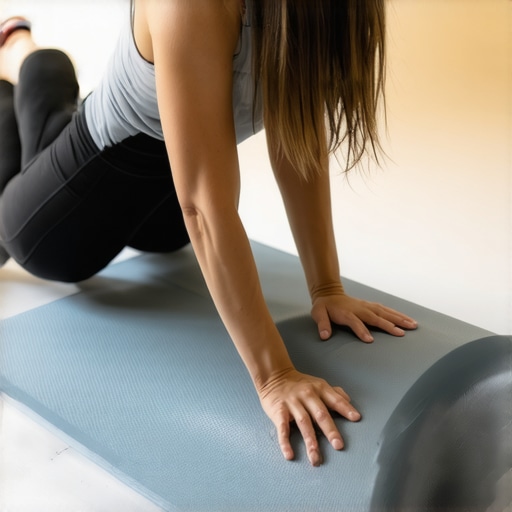
Mobilization Devices: My go-to tool is a minimalistic foam roller and a lacrosse ball. I use the foam roller primarily for my thoracic spine and hips, releasing tightness that can subtly pull my pelvis out of alignment. The lacrosse ball targets trigger points in muscles like my psoas or glutes, which are critical in pelvis stabilization. Regular use of these tools has helped maintain my flexibility and muscular balance, reducing the frequency of SI joint flare-ups.
Movement and Stability Equipment: I highly recommend incorporating a wobble board or balance pad into your routine. These tools are excellent for retraining proprioception—a key element often overlooked in back health. A simple five-minute balance exercise each morning improves joint support and neural control, which is vital for long-term stability. Since integrating this habit, I’ve noticed fewer episodes of instability during daily activities.
Smart Monitoring and Guided Programs: Technological advances now offer software that tracks movement patterns and provides real-time feedback. I personally use a motion-tracking app compatible with my smartphone and sensor-based wearable devices that monitor my posture and movement quality during exercises. These tools help identify faulty patterns early, allowing for immediate correction before issues become chronic. I predict that as AI-driven analysis improves, personalized rehab programs will become the gold standard for sustainable back health.
How do I keep my back healthy over time?
Consistency is key. Incorporate daily mobility and stabilization drills, utilizing tools like resistance bands, foam rollers, and balance devices. I emphasize developing a routine that focuses on strengthening supporting muscles and maintaining nerve mobility—like nerve-flossing drills—which can be easily integrated with the help of guided apps or online tutorials. For example, periodically revisiting nerve mobilization techniques can prevent nerve tension from reigniting pain episodes. Regular check-ins with a professional via telehealth can also help tweak your program to suit your evolving needs.
Looking ahead, I see a growing trend towards personalized, tech-enhanced rehab plans that incorporate biofeedback and AI diagnostics. These innovations will likely make long-term maintenance more accessible and effective. To start, trial a nerve-flossing drill every morning, like the 4-minute nerve drill. Small, consistent steps can dramatically extend your pain-free years.
Uncovering My Hidden Biases About Back Pain
The biggest lesson I learned was that quick fixes like adjustments alone often mask deeper issues. I used to think that cracking my back was enough to keep pain at bay, but I realized that without addressing muscular imbalances and nerve health, those adjustments were temporary patches. Recognizing the importance of a holistic approach changed everything.
The Power of Personal Experience in Shaping Effective Strategies
My own journey with SI joint instability taught me to trust evidence-based methods over generic advice. Incorporating targeted nerve-flossing drills and strengthening routines made a palpable difference. These insights have allowed me to develop routines beyond the usual stretches, emphasizing proactive support rather than reactive fixes.
Partnering Knowledge with Tools for Long-Term Relief
I discovered that combining mobility tools like foam rollers and balance aids with consistent movement patterns helps sustain improvements. For example, integrating nerve mobilization techniques into daily routines can prevent the recurrence of misalignments. This blend of science and practical application is critical to maintaining a healthy back system.
Curated Recommendations for Sustained Back Health
Over time, I’ve found that resources like dedicated nerve-flossing guides and stabilization programs provide clarity and structure. The nerve-flossing drills taught me how to address nerve tension issues effectively. Additionally, tools such as wobble boards and resistance bands keep my core and proprioception sharp, supporting my pelvic stability. Lastly, continuous learning from credible sources keeps my approach fresh and evidence-based.
Your Next Step Isn’t as Daunting as It Seems
Embracing these insights can empower you to take control of your back health. Remember, progress often comes from small, consistent actions—like practicing deep diaphragmatic breathing or integrating targeted stretches into your daily routine. With patience and the right tools, you can transform your back from a source of pain into a foundation of strength. How will you start applying these strategies today? Share your plan below!