
I still remember the crisp spring morning three years ago when my knees buckled. I was only thirty minutes into planting my heirloom tomatoes, a simple joy I had looked forward to all winter, when a sharp, unforgiving ache flared in my lower back and shot straight down my thigh. I ended up stuck on the grass, embarrassed and needing my neighbor’s help just to stand up. It was a humiliating wake-up call. I realized that my favorite hobby had become a physical battleground, and I was losing.
Why We Suffer in the Dirt
We often treat gardening like a gentle, passive pastime, but it is actually an intense, full-body workout disguised as leisure. Constant bending, weeding, lifting heavy bags of mulch, and kneeling on cold ground place immense stress on your joints and spine. Early on, I made the classic mistake of bending directly from my waist with locked knees, thinking I was saving my energy. Instead, I was actively crushing my spinal discs. Fortunately, learning essential tips for managing back pain through healthy lifestyle choices completely changed how I approach my yard. Today, I want to show you exactly how to protect your joints, adjust your posture, and use smart biomechanics so you can tend your flowerbeds without waking up miserable the next morning.
Is gardening pain actually inevitable as we age?
Absolutely not. Many seniors believe that stiffness and soreness are just the tax we pay for growing older, but that is a myth. The real culprit is cumulative micro-trauma from poor movement patterns. When you learn how your body is designed to bend and lift, the strain simply vanishes. According to a study published by the Journal of athletic training, proper body mechanics and targeted core activation can reduce joint shear forces by up to forty percent. Have you ever had to cut a beautiful afternoon in the garden short because your back or hips started screaming at you? Let me know in the comments below, because you do not have to live with that frustration. By focusing on spinal alignment and changing how we move, we can keep our hands in the dirt for decades to come.
Simple Adjustments That Save Your Spine
The secret lies in treating your body like an athlete would. Before you pick up a trowel, you need to prepare your joints for the work ahead. Just as a runner prepares their hips, a gardener must prepare their lumbar spine. If you struggle with stiffness from the moment you step outside, implementing a simple 4-step morning routine for chronic lower back stiffness can grease the wheels of your joints before you ever lift a bag of soil.
How to Move in the Garden Without Ruining Your Back
To protect your spine while working in the soil, you must treat your body like an engine that requires proper alignment to function. When you bend over incorrectly, you put your spine under uneven pressure, similar to pressing down hard on one edge of a fragile jelly donut. The jelly—or in this case, your spinal disc—pushes outward, pinching sensitive nerves. Practicing safe biomechanics keeps the pressure centered. This protects your nervous system and helps you avoid injury. If you want to understand how maintaining these natural curves keeps your joints healthy, learning about the science behind chiropractic adjustments for back pain relief will help you see the connection between spinal alignment and daily movement.
Master the Hip Hinge Instead of Bending Your Waist
The single most important movement adjustment you can make is mastering the hip hinge. Most people bend at the waist, which rounds the lower back and strains the muscles. Instead, you should push your hips straight back while keeping your spine long and flat. Imagine trying to touch a wall behind you with your glutes. This simple shift transfers the weight of your upper body from your lower back to your glutes and hamstrings, which are much stronger and designed to handle heavy loads. Last spring, I spent three hours planting heavy shrubs using this exact technique. Although my glutes felt tired the next day, my lower back felt completely fine. It was a complete shift from the debilitating pain I used to experience.
Harness the Power of the Half-Kneeling Position
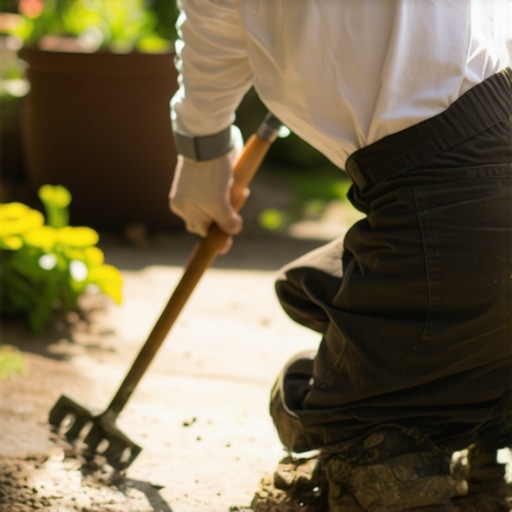
When you need to get close to the ground to weed or plant, avoid bending over completely. Instead, drop down into a half-kneeling position, placing one knee on a soft pad while your other foot stays flat on the ground. This setup stabilizes your pelvis, prevents your lower back from rounding, and helps protect your joints. To keep your balance and stay stable, keep your chest upright and switch legs every ten minutes to distribute the workload evenly. If you struggle to stay upright or feel shaky in this position, understanding how spinal alignment affects your balance and stability can help you make the right adjustments to stay steady.
Use Your Breath to Protect Your Core
Before you lift a heavy bag of mulch or a loaded terra-cotta pot, you need to prepare your core. Do not just hold your breath and lift. Instead, use a technique called intra-abdominal bracing. Inhale deeply into your belly, expand your midsection, and brace your abdominal muscles as if you are preparing to get punched in the stomach. Keep this tension as you lift the object, exhaling slowly as you stand up. This breathing pattern creates a natural weight belt of air pressure inside your torso, stabilizing your spine from the inside out. To learn how to apply this technique to daily tasks and heavy lifting, read about the correct way to brace your core for heavy carries to keep your back safe.
Keep Heavy Loads Close to Your Body
Whenever you lift or carry bags of soil, fertilizer, or heavy tools, keep them as close to your torso as possible. Holding a heavy object away from your chest multiplies the force on your lower back. For example, carrying a ten-pound bag of soil at arm’s length can feel like a hundred pounds of force on your lumbar spine. Keep your elbows tucked in close to your ribs and hug the load tight. If your back is already feeling sensitive from gardening, you can learn how to manage a flare-up of chronic lower back pain to calm the nerves and speed up your recovery.
The Great Stretching Trap Most Gardeners Fall Into
Ask almost any backyard enthusiast what they do after a long afternoon of weeding, and they will tell you they immediately head inside to stretch out their tight lower back. It sounds like common sense. Your muscles feel tense, so you bend forward to touch your toes or pull your knees to your chest. However, this is one of the most common and damaging mistakes you can make. When you spend hours in a forward-bent position while gardening, your spinal discs are pushed backward, placing enormous strain on the surrounding ligaments. Jumping right into a deep forward stretch immediately afterward actually increases this disc pressure, pushing you closer to a painful bulge.
Why does stretching feel good if it is actually damaging my spine?
This is the ultimate paradox of back pain. When you stretch a sensitized muscle, you trigger a temporary sensory gateway block that feels like relief, but you are actually micro-tearing tissues that are already over-lengthened. A study published in the Journal of Orthopaedic & Sports Physical Therapy highlights that static stretching of already fatigued lumbar stabilizers can compromise joint integrity and delay actual tissue recovery. Instead of reaching for your toes, you should focus on restoring gentle extension to balance out hours of bending. Have you ever fallen into this trap of stretching your aching back only to wake up stiffer the next morning? Let me know in the comments. If you want to break this cycle, discovering why your morning stretches might be making your back more sensitive is the first step toward true, lasting relief.
The Real Nuance Behind Lasting Adjustment and Realignment
Many people believe that a single quick crack or adjustment is a magical cure-all that will permanently fix their bad back. In reality, adjustments work best when they are combined with active movement retraining. Think of your spine like a wheel alignment on a car: if you adjust the steering but keep driving over deep potholes with worn-down tires, the alignment will quickly fail again. Real recovery requires a combination of joint mobilization and targeted rehabilitation to build up the supporting muscles. When you combine professional care with active movement, you can build a resilient body that resists injury. To understand how professional care fits into this puzzle, you can explore how strategic chiropractic solutions for long-term back health help stabilize your joints for the long haul.

How to Rebuild Your Movement Patterns for the Long Run
To truly protect your body, you must address the core weaknesses that cause your joints to wear out prematurely. Many active people jump straight into heavy core training, thinking that a few planks will protect their spine, but they often end up straining their neck or hips because they are not moving from the right places. True rehabilitation is about teaching your brain and body how to coordinate movement smoothly without putting stress on your lower back. If you are ready to transition from basic pain management to building real, athletic resilience in your daily life, learning how to boost your sports rehab journey with proven chiropractic strategies will give you the tools you need to move freely, stay active, and enjoy your garden for many seasons to come.
When we talk about maintaining your spine while working in the dirt, we have to look past simple posture and focus on the daily physical habits you practice. Over the last decade of tending my own garden, I have realized that the tools we use are just as important as how we move. For years, I relied on standard, short-handled trowels that forced me into a continuous forward slouch. Swapping those out for long-handled, lightweight ergonomic tools was an absolute game-changer for my spinal health. Today, I want to share the practical maintenance steps and specialized gear that keep me bending, lifting, and planting without flare-ups.
The Tools that Saved My Joints and Spine
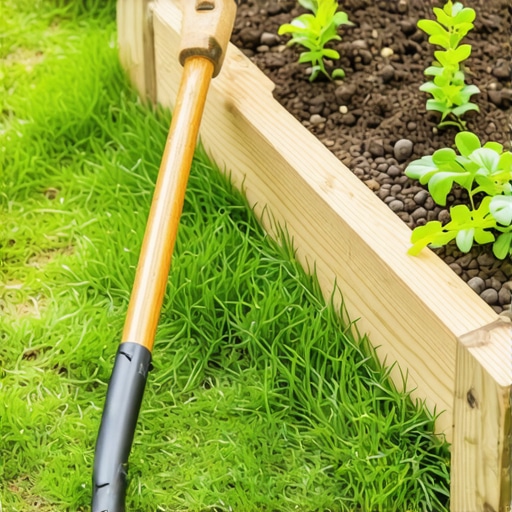
I do not recommend buying generic, brightly colored plastic weeding tools. Instead, look for heavy-duty, long-handled step-action weeders and specialized garden kneeling benches with elevated handles. Personally, I use a heavy-duty steel stand-up weeder that allows me to pull deep dandelion roots using a simple foot pedal. This tool completely removes the need to bend forward or twist my torso. When I absolutely must get down into the soil for fine-detail planting, I use a reversible kneeling stool made of thick EVA foam with a carbon-steel frame. The elevated side handles on the bench are crucial because they let me use my upper body strength to push myself back up to a standing position, taking the pressure off my lower back. If you are already dealing with a sensitized spine from using the wrong equipment, learning how chiropractic adjustments can alleviate chronic back pain is an excellent way to reset your system and start fresh with better habits.
How do I maintain my spinal health over years of heavy gardening?
Consistency in how you prepare your body is far more valuable than trying to fix a major injury after it happens. Think of your spine like a mechanical tool: it needs regular lubrication, movement, and structural care to prevent wear and tear. I recommend tracking your gardening time and taking a mandatory five-minute movement break every half hour to stand up, walk around, and gently extend your spine. Over time, combining these regular breaks with professional care is the best way to keep your joints moving smoothly. Utilizing strategic chiropractic solutions for long-term back health provides the structural stability you need to enjoy your favorite outdoor hobbies year after year without chronic stiffness.
The Future of Strain-Free Gardening
As wearable technology and biomechanics research continue to advance, we are starting to see incredibly smart solutions designed for outdoor enthusiasts. In the next few years, I expect lightweight, flexible passive exosuits—similar to those currently used in modern manufacturing warehouses—to become common in home gardens. These non-motorized, elastic-band harnesses help support your hips and lower back during deep squats and hip hinges, taking up to thirty percent of the load off your lower back muscles. Until these high-tech suits are widely available, we must rely on smart movement, solid core engagement, and proper joint alignment. If you want to take your physical longevity to the next level, incorporating targeted chiropractic care for athletic performance can help you fine-tune your movement patterns and keep your body moving beautifully. My challenge to you today is to try just one change during your next gardening session: swap out one short tool for a long-handled alternative, or set a timer to stand up and stretch every thirty minutes. Your lower back will thank you.
3 Myths About Gardening and Spinal Stress That Kept Me Broken
For years, I followed conventional backyard wisdom, only to end up with a heating pad strapped to my lower back every Sunday night. The first major myth I had to bust was that ‘gardening pain is just muscular.’ I assumed my muscles were simply tired, but I was actually dealing with severe spinal joint compression. When you repeatedly bend forward to weed, you overload the posterior ligaments and compress your discs. To prevent this, you must focus on your overall joint alignment rather than just resting your muscles. Understanding the science behind chiropractic adjustments for back pain relief helped me see how structural alignment keeps those sensitive nerves from getting pinched during repetitive physical work.
The second myth is that ‘stronger abs solve everything.’ While core strength is vital, many gardeners activate their abdominal muscles incorrectly, drawing their belly buttons inward and flattening their lumbar curves. This actually increases spinal pressure. You need to learn the correct way to brace your core for heavy carries to create a stable, pressurized cylinder around your spine, protecting it during heavy lifting. Finally, I believed that static stretching immediately after gardening would cure my stiffness. In reality, stretching an already over-lengthened, fatigued lower back can compromise joint stability. Instead of deep forward folds, focus on gentle extension movements to restore your natural curves.
The Ergonomic Gear I Use Every Season
You do not need a shed full of expensive gadgets, but investing in a few key pieces of high-quality gear will protect your body from unnecessary strain. Here are the three tools that saved my spine:
- The Stand-Up Weed Puller: This tool uses a foot pedal and a claw mechanism to extract deep weeds. It completely eliminates the need to bend over, allowing you to maintain an upright, neutral spine while working.
- Reversible Garden Kneeler Bench: This dual-purpose bench features a soft EVA foam pad to cushion your knees, but the real benefit is the sturdy carbon-steel frame. The elevated side handles allow you to use your upper body strength to push yourself back up, taking the strain off your lower back and knees. If your knees already feel sensitive when moving up and down, checking out why your knees hurt specifically when you walk down stairs can offer deep insights into joint mechanics and patellar tracking.
- Long-Handled Ergonomic Trowels: Swapping out standard hand trowels for extended, contoured tools prevents you from reaching too far forward. This subtle change keeps your weight centered over your hips and reduces shear forces on your lumbar spine.
Keep Your Hands in the Dirt for Decades to Come
Gardening is meant to be a therapeutic, creative outlet, not a physical chore that leaves you bedridden. By shifting from mindless bending to mindful, athletic biomechanics, you can transform how your body feels after a long afternoon in the soil. Protecting your back is not about avoiding the work you love; it is about reinforcing your body so you can move safely. If you are recovering from previous injuries or want to proactively build a resilient body, integrating targeted chiropractic care for athletic performance can help you fine-tune your joint mobility and alignment. Make the adjustment today, protect your spine, and enjoy your garden for many seasons to come.
Have you ever had to cut a beautiful afternoon of planting short because your lower back started pinching? What is your favorite tool for saving your joints in the yard? Let me know in the comments below!