
I spent three years of my life smelling like a menthol-scented ice pack. Every morning, the ritual was the same: limp to the freezer, grab the bag of frozen peas, and strap it to my lower back while I drank my coffee. I thought I was being proactive. I thought I was fighting the fire. But here is the cold, hard truth: I was actually freezing my recovery in its tracks. My back wasn’t inflamed anymore; it was starved. It didn’t need a deep freeze—it needed a jumpstart. If you’ve been nursing that same nagging ache in your shoulder or your hip for months, it’s time to put the ice back in the freezer for your cocktail and start thinking about blood flow. We’re going to look at why your body is begging for warmth and how you can finally alleviate chronic back pain by changing your temperature game.
Ditch the Ice Pack to Get Your Life Back
When I first started my journey into sports injury recovery, I made the classic mistake of treating a six-month-old injury like it happened yesterday. I was terrified of inflammation. I thought that if I let my back get warm, it would swell up like a balloon. The reality? That old injury had long passed the inflammatory phase. It had moved into the “stagnation” phase. My muscles were tight, the blood flow was restricted, and my range of motion was abysmal. By icing it, I was essentially telling my blood vessels to shut down right when they needed to be delivering nutrients to help repair tissue. If you feel like your hamstrings are always tight no matter how much you stretch, you might be dealing with this exact type of stagnation. Heat is the key to opening those floodgates. It relaxes the muscle fibers and allows the tissue to become pliable again. Have you ever noticed that your pain feels ten times worse on a cold, rainy morning? Your body is literally telling you that it hates the cold. So, tell me—are you still reaching for the ice every time your back starts to twinge?
Is heat actually safe for a back that always hurts?
It is natural to be skeptical, especially since we’ve had the RICE (Rest, Ice, Compression, Elevation) method drummed into our heads since grade school. However, even the man who coined the term, Dr. Gabe Mirkin, eventually retracted his stance on ice, admitting that it may actually delay healing by preventing the necessary inflammatory response required for tissue repair. For old, chronic issues, heat is almost always the superior choice because it promotes circulation rather than stifling it. While there is a time and a place for the best way to ice a sprained ankle in those first 24 hours, your long-term health relies on movement and warmth. Incorporating lifestyle choices that prioritize circulation can change your entire recovery trajectory. Today, I want to show you exactly how to use heat to melt away those knots and get back to the activities you love.
Turn Up the Heat to Melt Your Muscle Knots
Think of your chronic back pain like a rusty old door hinge. If you spray it with liquid nitrogen, it’s only going to get more brittle and harder to move. To get that hinge swinging smoothly again, you need to loosen the gunk and oil the mechanism. That is exactly what heat does for your muscle tissue. It’s not just about comfort; it’s about vasodilation—opening up those tiny pipes to let oxygenated blood flood the area. I remember one specific Tuesday when my lower back felt like a piece of dry driftwood. I made the mistake of trying a heavy gym session after icing the area because I thought it would “numb the pain.” Instead, I felt a sharp pop because my muscles were too cold to stretch. I learned my lesson: now, I use a moist heating pad for fifteen minutes before I even think about a squat rack. The difference is night and day; the tissue goes from feeling like frozen leather to pliable rubber.

Prime the Engine with Moist Heat
Dry heat can sometimes leave your skin feeling parched without actually reaching the deeper muscle layers. Instead, opt for moist heat—like a damp towel microwaved in a freezer bag or a dedicated infrared heating pad. This penetrates deeper into the fascia. You aren’t trying to cook yourself; you’re just looking to raise the local tissue temperature. Once that area feels warm and “loose,” you have a golden window of about thirty minutes where your body is most receptive to change. This is the perfect time to address the underlying mechanics. For instance, if you struggle with the hip hinge secret for people with chronic lumbar issues, doing it while the muscles are warm will allow for a much deeper and safer range of motion.
Move While the Window is Open
Heat alone won’t fix the problem; it just prepares the site for the real work. Once you’re warmed up, you need to introduce gentle, purposeful movement. Don’t go for a heavy lift immediately. Start with neurological resets. I’ve found that learning how to breathe through your belly for instant lower back relief creates an internal pressure that stabilizes the spine from the inside out while the external muscles are relaxed from the heat. It’s like a two-pronged attack on your stiffness. If you just sit on the couch with a heating pad and then go right back to your desk, you’re missing the opportunity to “re-program” how those muscles hold your skeleton.
Break Up the Grime with Targeted Pressure
Sometimes, heat and movement aren’t enough to tackle those deep, stubborn “knots” or trigger points that have been there for years. This is where you get tactical. While your back is still warm and the blood is flowing, use a tool to provide ischemic compression. If you know how to use a lacrosse ball to melt away mid-back knots, you can pin down those specific tight spots. The heat makes the tissue more forgiving, allowing the ball to sink deeper without causing your body to guard or tense up in response to the pressure. It’s the difference between trying to massage a cold rock and massaging warm clay.
Reset the Hardware with Professional Help
Even with the best home routine, chronic pain often stems from joint restrictions that you can’t just “rub out.” This is where unlocking back pain relief expert chiropractic adjustments that work becomes the final piece of the puzzle. While the heat handles the soft tissue, an adjustment addresses the joint mechanics. There is a fascinating science behind chiropractic adjustments for back pain relief that shows how a targeted thrust can reset the nervous system’s feedback loop. When your joints are moving correctly, your muscles don’t have to work overtime to “guard” the area, which prevents that stagnation from coming back. By combining these lifestyle choices with active recovery, you stop being a victim of your own stiffness.
We’ve established that warmth and blood flow are your best friends, but there’s a trap most gym-goers fall into when trying to manage their own recovery. They think that to protect their spine, they need to keep it perfectly rigid, like a steel rod. I often see people bracing their core so hard their faces turn purple during a light set of movements. This is a massive mistake. Your spine wasn’t designed to be a static pillar; it’s a dynamic, shock-absorbing spring. When you over-brace, you actually create more pressure on the discs because the muscles aren’t allowing the joints to move through their natural, micro-ranges of motion. This is why most core exercises actually make lower back pain worse—they prioritize ‘stiffness’ over ‘functional stability.’ True strategic chiropractic solutions for long-term back health involve teaching your body how to be stiff when necessary and fluid everywhere else.
Stop Bracing Like You’re About to Get Punched
The common advice is to ‘tighten your abs,’ but the nuance lies in intra-abdominal pressure, not just surface muscle tension. If you’re constantly ‘on,’ your spine loses its ability to adapt and distribute load. Think of a high-performance car suspension—it needs to be firm to handle speed, but it has to have give to absorb the bumps. By over-focusing on a rigid core, you’re essentially removing the suspension from your back. This is where how spinal alignment directly impacts your athletic performance becomes a game of balance. You need the freedom to move just as much as you need the strength to stay still. I’ve seen athletes gain more power by learning to relax their obliques than they ever did by doing more planks.
The Foam Roller Trap You Must Avoid
And while we’re talking about mistakes, let’s talk about the foam roller. Please, for the love of your lumbar spine, stop rolling your lower back on a foam roller. Your low back has no rib cage to protect it from that direct vertical pressure. When you smash it against a hard cylinder, your muscles often go into a defensive spasm to protect your internal organs. It feels like a ‘good’ pain in the moment, but you’re actually bruising the very tissue you’re trying to heal and potentially irritating the facet joints. Instead, focus your rolling on the thoracic spine (the mid-back with the ribs) or the glutes. This ‘oops’ factor is one of the biggest reasons people stay in a cycle of inflammation without realizing they are the ones stoking the fire. 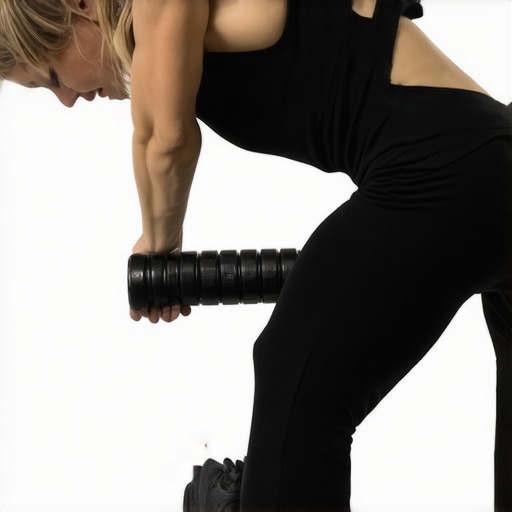
Why do some people stay ‘in’ longer than others?
It’s a sophisticated question: if the adjustment corrects the joint, why does it move back? Dr. Stuart McGill, a leading authority on spine biomechanics, often discusses the concept of ‘spine hygiene.’ If you get a world-class adjustment but then spend eight hours slumped in a chair, you are essentially ‘undoing’ the work through repetitive strain. The ‘adjustment high’ is real, but the truth about why your adjustments don’t seem to last usually boils down to your brain, not just your bones. If your nervous system still perceives a threat—due to poor movement patterns or old habits—it will pull your joints right back into that protective, misaligned shell. Using chiropractic techniques for faster recovery requires a partnership between the clinical work and your daily habits. This is also why I’m a huge advocate for how to recover faster from a hamstring strain using active release; it’s about addressing the soft tissue tension that literally yanks the joint out of place. Have you ever fallen into the trap of thinking one visit would ‘fix’ a decade of bad posture? Let me know in the comments.
That belief is the biggest hurdle to long-term success. If you want to keep the gains you make in the clinic, you have to look at your daily toolkit. I’m often asked what high-tech gear I use, but honestly, the most effective tools in my arsenal are the ones that cost less than a fancy lunch.
The Low-Tech Tools That Beat High-Priced Gadgets
If you look at my gym bag, you won’t find $500 recovery boots or complex electrical stimulation units. You’ll find a $5 lacrosse ball and a roll of athletic tape. I’ve found that learning how to use a lacrosse ball to melt away mid-back knots is the single most effective way to tackle trigger points that an adjustment can’t reach. It allows for surgical precision—you can find that one spot of “grime” and pin it down until it releases. Now, if I’ve had a brutal leg day, I might use a percussion massager, but there is a right and wrong way to do it. You have to understand the proper way to use a massage gun on your quads or glutes to avoid bruising the bone or irritating the nerves. These tools aren’t just for ‘feeling good’; they are for maintaining the mobility that your chiropractor helps you achieve. 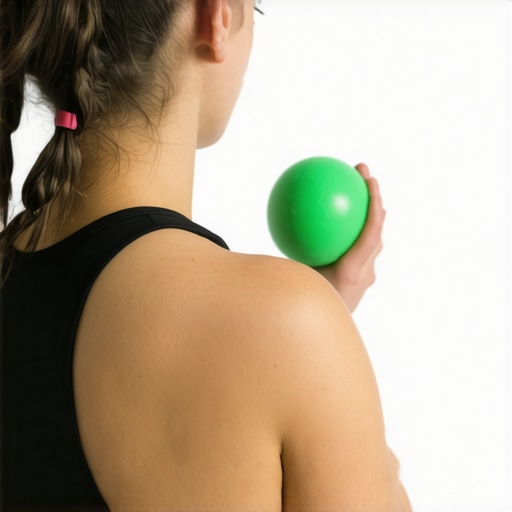
How do I maintain my spinal health between appointments?
Maintenance is about “micro-dosing” your recovery. You can’t spend 40 hours a week in a rounded posture and expect 30 minutes of rehab to save you. This is why I advocate for the 10-second posture reset you can do at your desk. It’s a neurological “ping” to your brain to remind your muscles where they belong. Dr. Kelly Starrett, author of the biomechanics guide “Becoming a Supple Leopard,” emphasizes that our goal should be to “organize our spine” before we perform any task. This concept of strategic chiropractic solutions for long-term back health relies on you becoming an active participant in your alignment. When you combine these small resets with the clinical work, you finally address the truth about why your adjustments don’t seem to last—it’s because the habits are finally catching up to the hardware.
The Wearable Future of Posture and Pain
I predict that in the next five years, we’ll stop guessing about our spinal health. We are heading toward a future of biofeedback-integrated clothing and wearables that track spinal shear and load in real-time. Imagine a shirt that gently vibrates the moment your lumbar spine begins to lose its neutral curve during a long drive. This tech will boost your sports rehab journey by giving your provider objective data on how you move when you aren’t in the office. It turns recovery from a reactive game into a proactive strategy. But until those gadgets are mainstream, you are the best sensor you have. Focus on enhancing athletic performance with targeted chiropractic care and listen to the signals your body is sending before they turn into screams. My challenge to you is simple: for the next 24 hours, set a timer for every hour and perform one scapular reset. See how much better your neck feels by dinner time.
The One Thing My Freezer Taught Me About My Spine
Looking back at my years of chronic pain, I realized I was treating my body like a science experiment instead of a living organism. The biggest lightbulb moment came when I stopped trying to ‘numb’ the signal and started listening to what it was asking for—which was blood flow, not a deep freeze. I learned that stopping the ice habit was actually the first step toward true healing. Another hard-won lesson? You can’t ‘stretch’ your way out of a joint that is physically stuck; you need to address the hardware first. Finally, I realized that my environment was often the silent culprit. If you wake up every day feeling like a pretzel, check your bed; your mattress could be destroying your alignment while you sleep, undoing all your hard work.
What Lives in My Gym Bag for Spine Survival
I’ve wasted thousands on gadgets, but my daily toolkit is now lean and effective. I swear by a high-quality moist heating pad—it’s the foundational layer of my routine. I also never travel without a standard lacrosse ball for those deep glute and mid-back knots. Beyond tools, I rely on the principles of biomechanics—understanding how to move without irritation. For the technical side of things, I always suggest looking into chiropractic techniques for faster recovery to handle the specific joint mechanics that home tools simply can’t reach. These resources focus on empowerment rather than just temporary relief.
It’s Time to Stop Managing Pain and Start Living Past It
You don’t have to be the person who always has to leave the party early because their back is acting up. By shifting from a mindset of ‘icing and resting’ to one of ‘warming and moving,’ you are giving your body the resources it needs to actually repair itself. Incorporating lifestyle choices that favor circulation and stability will change your life. Start small, be consistent, and don’t be afraid to ask for professional help to alleviate chronic back pain once and for all. You’ve got the tools; now you just need to turn up the heat.
Have you ever found that heat works better for your old injuries than ice? Let me know your experience in the comments below!