
I remember the exact moment my back finally gave out. It wasn’t during a heavy deadlift or some high-impact tackle on the field. It was mid-way through my 43rd sit-up on a cold garage floor. I heard a muffled pop, and suddenly, my legs felt like they’d been replaced by jelly. I thought I was being a beast by grinding through those reps, but in reality, I was just crushing my own discs into oblivion. Many of us grew up thinking that the more you crunch, the stronger you get. But for those of us dealing with chronic stiffness or recovering from an injury, this old-school approach is a recipe for disaster. Have you ever finished a set of abs only to find that your lower back is screaming louder than your stomach muscles? If so, you are definitely not alone. Today, I want to show you why those traditional sit-ups might be the very thing keeping you in a cycle of pain and how we can pivot to something that actually builds a bulletproof core. [image_placeholder_1]
Stop Trading Your Disc Health for a Six Pack
The math is simple but terrifying. Every time you perform a traditional sit-up, you are pulling your spine into a heavily flexed position while adding significant compressive load. I made the mistake of ignoring the warning signs early on, thinking my weak core was the reason for my pain, so I doubled down on the very exercises that were making it worse. We now know that the sheer force placed on the lumbar vertebrae during a sit-up is roughly 3,300 Newtons of compression. To put that in perspective, research from world-renowned spinal biomechanics expert Dr. Stuart McGill suggests this level of repeated force can lead to disc herniation far faster than we ever imagined. Instead of building a protective shield around your spine, you are essentially trying to squeeze the jelly out of a donut. If you are already dealing with a flare-up, you should look into rebuilding strength after a disc bulge rather than chasing the burn of a crunch.
Is all that crunching actually worth the risk?
It is a scary thought to ditch the exercise you have done since middle school gym class. You might be wondering if you are destined to have a soft middle if you stop doing sit-ups entirely. I was terrified of that too. I worried my athletic performance would tank if I wasn’t doing hundreds of repetitions. But once I shifted my focus toward stability rather than repeated bending, my back pain didn’t just fade—it disappeared. When you learn how to fix the butt wink and other mobility issues, you realize that true core strength is about resisting movement, not creating it through spinal flexion. If you’ve been struggling with that deep ache, it might be time to check out the best core exercises for people who hate planks to find a better way forward. We are going to break down the specific mechanics of why your spine hates the crunch and what moves will actually keep you on the field and out of the doctor’s office.
The first step in moving away from the crunch-heavy mindset is learning how to turn your torso into a rigid cylinder rather than a folding hinge. Think of your core like a soda can: when it is pressurized and sealed, it can support an incredible amount of weight, but once you put a kink in the side, it collapses instantly. This is why learning how your breathing mechanics are sabotaging your core strength is the absolute foundation of rehab. You aren’t just trying to look good in a swimsuit; you are trying to create an internal pressure system that takes the load off those sensitive spinal nerves. I remember the first time I tried to implement a proper ‘brace’ instead of just sucking in my gut. I was in a gym in downtown Omaha, trying to pick up a light kettlebell, and my coach told me to ‘breathe into my belt.’ I realized then that I had been breathing into my chest for years, leaving my lower back completely unsupported.
Breathe Like a Powerlifter to Save Your Discs
To start, you need to master the art of how to use diaphragmatic breathing to calm your nervous system and stabilize your trunk. Instead of pulling your belly button toward your spine—which is a common but misguided cue—you want to push your abdominal wall outward in every direction. Place your hands on your waist, just above your hips. When you inhale, your fingers should be pushed apart. This creates the intra-abdominal pressure needed to protect your lumbar spine during movement. Once you can breathe this way, you can apply the deadlift cue that stops your lower back from rounding even when you are just picking up a laundry basket or a toddler. 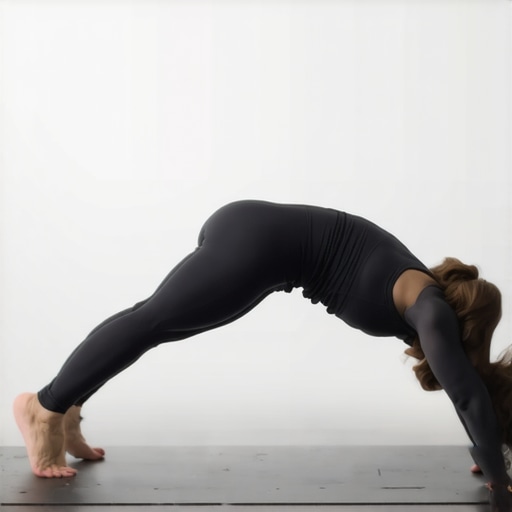
The Three Moves That Actually Matter
Rather than doing 100 sit-ups, I want you to focus on the ‘Big Three’ exercises popularized by Dr. McGill: the Bird-Dog, the Side Plank, and the Modified Curl-Up. These moves are designed to build endurance in the muscles that prevent spinal motion. When I first started these, I felt ridiculous. I was a former athlete who used to squat 400 pounds, and here I was on all fours, trying to lift my opposite arm and leg without wobbling. I actually fell over twice in my first session because my internal stabilizers were that weak. But that is the point. If you can’t hold a Bird-Dog for 10 seconds without your hips tilting, you have no business doing heavy rotations or crunches. If you feel like your hips are the limiting factor, it is vital to learn how to safely stretch your psoas without hurting your back, as tight hip flexors will often pull your pelvis into a position that makes core engagement nearly impossible.
Stop Stretching Your Way Into More Pain
A major mistake I see in the clinic is patients trying to ‘stretch out’ their back pain first thing in the morning. They wake up stiff and immediately go into a deep forward fold or a knees-to-chest stretch. You have to realize why your morning stretches might be making your back more sensitive. Your discs are most hydrated and pressurized right after you wake up, meaning they are more susceptible to injury from flexion. Instead of stretching the pain away, focus on these stability drills to ‘wake up’ the nervous system without compromising the structural integrity of your discs. This shift from movement-based core training to resistance-based core training is the single most important change you can make for long-term health.
But here is the nuanced truth that often gets lost in the noise of social media ‘cracking’ videos: an adjustment is not a fix-all, it is a window of opportunity. Most people think their chiropractor is just ‘putting a bone back in place.’ In reality, your spine doesn’t just ‘slip out’ like a loose drawer. If it did, you would be in the emergency room, not my clinic. This ‘bone out of place’ myth makes patients feel fragile, as if they could fall apart at any moment. The real science behind chiropractic adjustments for back pain relief involves neurophysiology, not just mechanical shifting. We are essentially ‘rebooting’ the nervous system to decrease muscle guarding and improve joint proprioception. By stimulating the mechanoreceptors within the joint capsule, we send a signal to the brain that says it is safe to move here again.
Why the Adjustment is Only Half the Battle
One of the biggest mistakes I see—the ‘Oops’ factor that keeps people in chronic pain—is the obsession with the sound. Many patients feel like the visit didn’t ‘work’ if they didn’t hear a loud crack. However, the science behind that popping sound in your joints proves it is just gas bubbles escaping the joint capsule, not a bone finding its home. If you chase the pop, you often end up self-adjusting, which is a dangerous trap. When you engage in the truth about cracking your own neck at your desk, you are usually manipulating the joints above or below the one that is actually stuck, leading to hypermobility and even more instability over time. This makes the area feel even stiffer a few hours later, leading to a vicious cycle of self-manipulation that never solves the root cause. 
Does a perfectly aligned spine actually exist?
The truth is that ‘perfect’ symmetry is a unicorn. Research published in the Journal of Electromyography and Kinesiology suggests that the clinical benefit of spinal manipulation comes from the temporary inhibition of pain-signaling nerves and the relaxation of hypertonic muscles. This means the adjustment clears the path, but your rehab exercises do the actual work of keeping the gate open. This is where people get it wrong: they treat chiropractic as a passive solution. For true the role of chiropractic care in effective sports injury recovery, the adjustment must be followed by active loading. If you get adjusted and then go right back to the same sedentary habits—or worse, go straight into a heavy lift without proper activation—you are essentially pouring water into a bucket with a hole in the bottom. You need to understand that the goal isn’t a straight spine on an X-ray; it is a spine that can handle the specific demands of your life.
Stop Chasing the Pop and Start Focusing on Function
We need to move toward strategic chiropractic solutions for long-term back health that prioritize how you move in the real world. I often explain the real difference between a chiropractor and a PT as a partnership rather than a rivalry. We clear the neurological interference, and then we build the structural strength to maintain it. This dual approach is what differentiates a weekend warrior from an athlete with longevity. If you are serious about staying active, you have to stop looking for a ‘quick fix’ and start looking for a comprehensive strategy. Have you ever fallen into this trap of thinking the ‘crack’ was the cure? Let me know in the comments.
Your Spine Survival Kit is Simpler Than You Think
I’ve spent thousands of dollars on gadgets that promised to ‘decompress’ my spine instantly, but most of them ended up in the back of my closet within a month. When it comes to strategic chiropractic solutions for long-term back health, the most effective tools are often the most basic. My personal daily driver is a standard lacrosse ball. I use it every evening to work through the hypertonicity—the fancy word for ‘super tight muscles’—in my mid-back that accumulates from hours of clinical work. Learning how to use a lacrosse ball for better thoracic mobility was a game-changer for me because it allowed me to address the ‘stuck’ feeling between my shoulder blades without waiting for my next appointment. If you find yourself constantly reaching back to rub a sore spot, you need to understand how to tell if that knot in your back is a trigger point or something that requires a different approach like nerve gliding.
How do I maintain these spinal gains over the long haul?
Consistency beats intensity every single time. I tell my patients that ten minutes of focused mobility work daily is worth more than a two-hour session once a week. You have to integrate essential tips for managing back pain through healthy lifestyle choices into your existing routine so they become as automatic as brushing your teeth. For me, that means doing a quick cat-cow and bird-dog sequence while my morning coffee is brewing. It’s also about knowing when to push and when to back off. We often get caught in the truth about no pain no gain in sports rehab trap, thinking that more pain equals more progress. In reality, your nervous system is the ultimate gatekeeper; if you irritate it with aggressive stretching or heavy loading before you are ready, it will just shut down and tighten your muscles even further. You need to be able to distinguish between how to tell the difference between muscle soreness and a real injury so you don’t accidentally set yourself back two weeks by ‘grinding’ through a flare-up.

The Future of Spinal Longevity is Data-Driven
I predict that in the next five years, we are going to see a massive shift toward wearable biofeedback for spinal posture and disc safety. Imagine a sensor that vibrates not just when you slouch, but when your lumbar spine exceeds a specific flexion threshold during a deadlift or while picking up a child. This real-time data will take the guesswork out of the role of chiropractic care in effective sports injury recovery. We are already seeing this in elite athletics, where tech like the Vmaxpro or Output Sports monitors power output and movement quality. Bringing that level of precision to the average person’s back health will be revolutionary. According to a 2021 study in the Journal of Manual & Manipulative Therapy, patients who utilized specific self-mobilization tools alongside clinical care showed a 30% higher improvement in functional outcomes compared to those who relied solely on clinical visits. My advanced tip for you today: buy a 4-inch firm foam roller and spend 60 seconds rolling your thoracic spine before you sit down for work. It prevents the ‘slump’ before it even starts. If you have questions about which tools are right for your specific injury, don’t hesitate to contact us for a personalized recommendation.
What I Finally Learned After Years of Chasing the Burn
Reflecting on my journey from that garage floor pop to where I am now, a few lightbulb moments changed everything. First, I realized that chasing the burn in my abs was often just me irritating the nerves in my lower back. If it hurts the next day in a way that makes you feel ‘stiff’ rather than ‘sore,’ you are likely over-flexing your spine. Second, those ‘boring’ stability drills like the Bird-Dog and Side Plank are actually the most athletic things you can do; they teach your body to transfer power without energy leaks. Finally, I learned that how to tell the difference between muscle soreness and a real injury is the most valuable skill any athlete can develop. It allows you to push when it is safe and pull back before a disaster happens.
My Personal Toolkit for a Resilient Spine
I don’t believe in hoarding secrets, so here is the exact gear and literature that kept me on the path to recovery. I highly recommend reading Back Mechanic by Dr. Stuart McGill; it is the definitive guide to understanding why your back hurts and how to fix it yourself. For daily maintenance, I never travel without a firm 4-inch foam roller and a lacrosse ball to manage those mid-back knots. These tools, combined with strategic chiropractic solutions for long-term back health, ensure that I am not just treating symptoms but building a foundation that lasts for decades. I trust these resources because they focus on biomechanics and physics, not just temporary relief or ‘quick fix’ gadgets.
Take Control of Your Movement Future
Your spine is not a fragile tower of blocks waiting to collapse; it is a dynamic, resilient structure that responds to the demands you place on it. By shifting your focus from aesthetic crunches to functional stability and targeted chiropractic care, you are investing in a future where you can play with your kids, hit the golf course, or lift heavy weights without fear. It takes patience to undo years of bad habits, but the reward is a life unhindered by chronic pain. Incorporating essential tips for managing back pain through healthy lifestyle choices will accelerate this process and keep you in the game longer. What’s the one core exercise you’ve been doing that always leaves your back feeling a bit ‘off’ the next day? Let me know in the comments below.