
I remember three weeks into my first real half-marathon block. I was limping by the time I hit my driveway. That dull ache in the front of my legs had turned into a screaming, localized throb. I felt like a total failure. I had just dropped a small fortune on ‘the best’ stability shoes, yet here I was, icing my shins while googling if I had stress fractures. It took me years of sports rehab and a few deep dives into gait analysis to realize those expensive, high-tech shoes were actually the primary culprit. [IMAGE_PLACEHOLDER]
Stop Blaming Your Fitness for That Leg Pain
It is so easy to think you are just out of shape or pushing too hard too fast. But if you find that your shins throb after running on the treadmill or even just a light jog around the block, the issue is likely sitting right in your closet. Today, we are going to solve the mystery of why your footwear is sabotaging your gait. We will look at how the wrong heel-to-toe drop, excessive cushioning, or simply wearing an old pair of sneakers is transferring impact straight into your bone. I used to wonder why my shin splints kept coming back every spring, and the answer was surprisingly simple once I stopped listening to the marketing and started listening to my biomechanics.
Are Your Shoes Really the Problem?
Many people are skeptical that a simple sneaker could cause so much agony. I was too. Early on, I made the classic mistake of buying heavy ‘stability’ shoes just because a salesman told me I overpronated. I didn’t realize that forcing my foot into a rigid, artificial shape was actually making my legs work harder. I should have been looking at how my foot arch affects everything up the chain. Have you ever felt like your brand-new shoes actually made your legs feel heavier or more ‘clunky’ when you hit the pavement? If so, you are not alone. According to a report by the American Academy of Orthopaedic Surgeons (AAOS), footwear that lacks proper shock absorption or fails to match an individual’s foot type is a primary mechanical trigger for medial tibial stress syndrome. If you have noticed that the first few steps out of bed really hurt, your shoes have likely already caused some significant inflammation. Now, let’s get into the nitty-gritty of exactly what you need to look for when you’re shopping for your next pair.
Drop the Invisible Wedges in Your Sneakers
Think of your running shoes like a car’s suspension system. If the rear shocks are twice as high as the front, the whole chassis is tilted, forcing the engine to work harder just to stay level. This is exactly what happens with a high ‘heel-to-toe drop.’ Most traditional running shoes have a 10mm to 12mm difference between the heel and the forefoot. While this is marketed as extra cushioning, it actually shifts your center of gravity forward, causing you to overstride and slam your heel into the pavement. That impact doesn’t just disappear; it travels directly into your tibia. I remember switching from a bulky stability trainer to a shoe with a 4mm drop. For the first two weeks, my calves were incredibly sore because they were finally doing their job, but that sharp, localized bone pain in my shins? It vanished almost overnight. If you’ve been relying on external supports, you should investigate how to know if your orthotics are making your feet weaker, as they might be preventing your natural arch from absorbing shock. 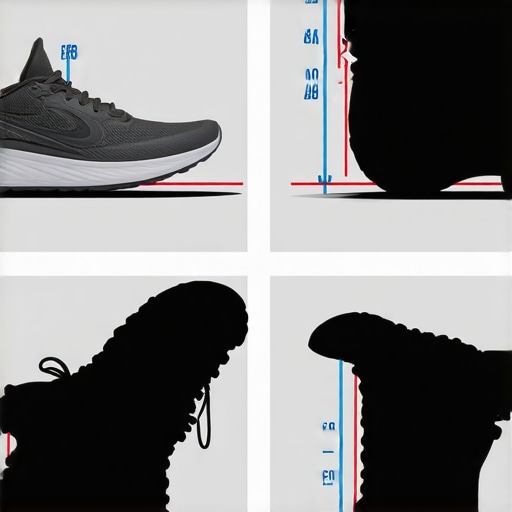
Read Your Sole Like a Road Map
Before you go out and buy a new pair, flip your current shoes over. Your wear pattern tells the story of your gait. If the outside of your heel is shaved down but the inner forefoot looks brand new, you are likely dealing with a rigid foot that isn’t dissipating force. Conversely, excessive wear on the inner edge suggests your arch is collapsing too fast. Understanding why your shoes are wearing out unevenly can reveal exactly where your kinetic chain is breaking down. I once worked with a runner who had ‘indestructible’ shins until he started wearing his favorite pair of old sneakers for yard work. He didn’t realize the internal foam had collapsed. Even if the tread looks fine, the ‘midsole’—the part that actually saves your shins—usually dies after 300 to 500 miles.
Prioritize Ground Feel Over Maximum Cushion
There is a massive trend toward ‘maximalist’ shoes with two inches of foam under the foot. While they feel like walking on clouds, they can be a nightmare for shin splints because they mute the feedback your brain receives from the ground. It is like trying to type on a keyboard while wearing oven mitts; you lose precision. When your brain can’t feel the impact, it doesn’t signal your muscles to contract and protect your bones. This often leads to the ‘no pain, no gain’ trap, but you have to understand the truth about no pain no gain in sports rehab—pain in the bone is a ‘stop’ sign, not a ‘push through’ sign. If you spend all summer in flat footwear, be mindful of the hidden cost of wearing flip flops, which can leave your posterior tibialis muscle exhausted before you even start your run. Focusing on a shoe that allows for a natural foot splay and provides enough firm feedback will force your body to use its own biological shock absorbers—your muscles—instead of dumping that stress onto your skeleton.The fitness industry wants you to believe that a $180 motion-control shoe is a medical device designed to fix your ‘broken’ gait. It is not. In fact, most ‘prescribed’ shoes for overpronation are based on outdated science that prioritizes restriction over function. Everyone says you need more foam to protect your shins, but I have found that the more ‘protection’ you add, the more you stop using your intrinsic foot muscles. It is a classic trap: we try to solve a movement problem with a piece of equipment, and it usually backfires. I have seen runners spend hundreds on custom orthotics, only to find that their orthotics are making their feet weaker over time by doing the work their muscles were meant to do. Have you ever fallen into this trap? Let me know in the comments. I personally spent an entire year in rigid boots thinking I was ‘fixing’ my flat feet, only to realize I was just atrophying my arches and setting myself up for chronic pain further up the chain. 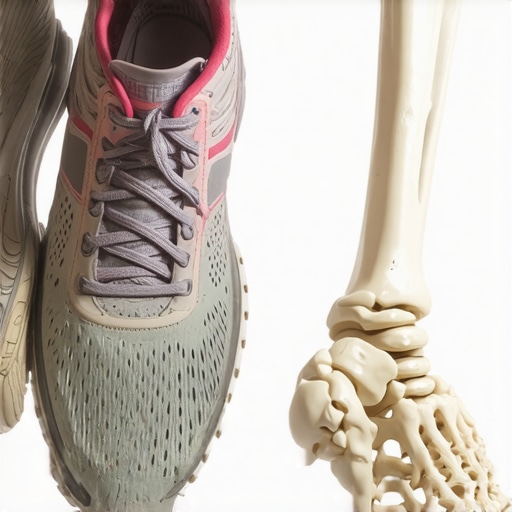
Avoid the Transition Trap and Earn Your Way into Better Movement
The ‘Oops’ factor for most people is not just the wrong shoe, but the speed of the transition. Even if you find the perfect low-drop, responsive trainer, switching from a 12mm heel drop to a zero-drop shoe overnight is a recipe for an Achilles rupture or a fresh case of shin splints. You have to ‘earn’ your way into minimalist footwear by rebuilding foot strength. If you are still struggling despite buying new shoes, you need to consider the role of chiropractic care in effective sports injury recovery. It is rarely just about the feet; if your pelvis is tilted or your lower back is jammed, your gait will be asymmetrical no matter what is on your feet. Realizing why your shoes are wearing out unevenly is your first clue that the problem might be coming from your hips. Research published in the British Journal of Sports Medicine suggests that a ‘comfort filter’ is actually a better predictor of injury prevention than high-tech biomechanical ‘corrections.’ This means that if a shoe feels like it is fighting your natural movement, it probably is.
Can a spinal adjustment actually stop shin splints?
It sounds like a stretch, but the nerves that control the muscles in your lower leg originate in your lumbar spine. If you have a hidden mechanical issue in your low back, your tibialis anterior—the muscle responsible for decelerating your foot—might not be firing with 100% efficiency. This is why many athletes find that proven chiropractic strategies often clear up ‘stubborn’ shin pain that physical therapy or new sneakers alone could not touch. You must be able to tell the difference between muscle soreness and a real injury before you decide to just ‘push through’ the ache. In many cases, I have found that your morning stretches might be making your back more sensitive, which inadvertently disrupts your leg’s nerve signals during your run. Stop looking at your shins in isolation and start looking at your body as a single, connected system.
Ditch the Foam Roller for a Five Dollar Ball
I see people hauling massive foam rollers to the track, but if you really want to target the muscles responsible for stabilizing your arch, you need something smaller and more precise. I personally swear by a standard lacrosse ball. By standing on it and slowly working through the plantar fascia, you are essentially waking up the sensory receptors in your feet that have been numbed by thick, cushioned sneakers. This is crucial because the hidden link between your ankles and lower back health is much tighter than most runners realize. If your foot can’t feel the ground effectively, your glutes won’t fire on time, and your shins end up taking the brunt of every landing. 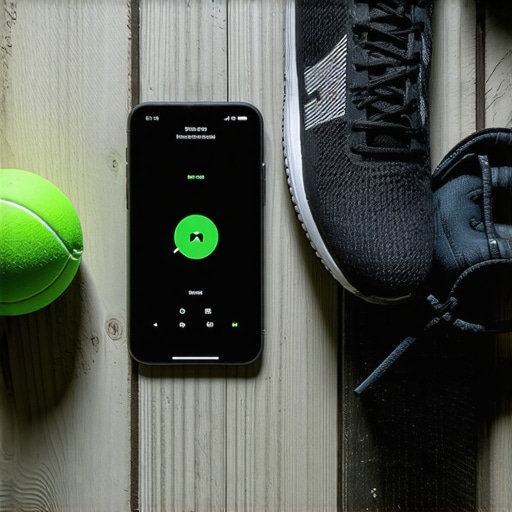
Why 180 Beats Per Minute is the Only Number That Matters
One of the best ‘software’ upgrades you can give your running gait is a simple metronome app. Most runners with chronic shin pain have a low cadence—usually around 160 steps per minute. This almost always leads to ‘overstriding,’ where your foot lands too far in front of your center of mass, acting like a brake. By bumping your cadence up to 170 or 180, you naturally shorten your stride and land more softly under your hips. Dr. Irene Davis, Director of the Spaulding National Running Center at Harvard, has demonstrated through extensive clinical research that even a 10% increase in cadence can significantly reduce the impact loading on the hip and knee joints. If you’ve noticed the hidden reason your knees cave during heavy squats is a lack of lateral stability, that same mechanical failure is likely wrecking your shins at a slower running pace.
How do I maintain my lower leg health over time?
Consistency beats intensity every single time in sports rehab. I recommend a ‘Maintenance Trio’: once-a-week intrinsic foot strengthening, a monthly check-in with a professional to ensure your mechanics haven’t drifted, and replacing your shoes long before they look ‘worn out.’ This is where enhancing athletic performance with targeted chiropractic care becomes a game changer. It’s not just about fixing a crisis; it’s about ensuring your pelvis and spine are aligned so that your gait remains symmetrical over hundreds of miles. Many runners don’t realize the real difference between a chiropractor and a PT often lies in the focus on the nervous system’s role in motor control. Using strategic chiropractic solutions for long-term back health ensures that the nerve signals reaching your lower legs are clear, allowing your muscles to respond instantly to the pavement.
Real Time Feedback is the Next Frontier
Looking ahead, I suspect we are moving away from ‘prescribed’ shoes and toward ‘intelligent’ footwear. We are already seeing the rise of wearable sensors that clip onto your laces and provide real-time audio feedback about your impact force and ground contact time. This technology will allow runners to adjust their form mid-run based on data, rather than waiting for a nagging ache to tell them something is wrong. Until that tech is in every sneaker, your best bet is to stay proactive with your own biomechanics. Try this on your next run: Download a free metronome app, set it to 175 bpm, and try to match your steps to the beat for just five minutes. It will feel fast at first, but your shins will immediately feel the relief of lighter, more efficient footfalls.
The Bone-Deep Lessons I Learned the Hard Way
After years of trial and error, I have realized that shin splints are rarely a localized problem; they are a symptom of a larger mechanical breakdown. First, I learned that a higher price tag on a sneaker often just buys you more interference between your brain and the ground. Second, I discovered that my 160-bpm shuffle was essentially hammering my legs into the concrete, regardless of how much foam I had underfoot. Most importantly, I finally accepted that ignoring the quiet warning signs—like when the first few steps out of bed really hurt—is the fastest way to end a season early. You cannot out-run a bad gait or a misaligned spine if you want to stay healthy long-term.
The Tools That Saved My Training Cycles
If you want to move away from chronic pain, you need a different kind of toolkit than what the big-box stores sell. I recommend starting with a standard lacrosse ball to wake up your feet; it is the most cost-effective way to restore ground feel after years in restrictive footwear. I also suggest using a metronome app to fix your cadence—this single software update does more for bone health than any two-hundred-dollar shoe ever could. Finally, do not overlook the power of proven chiropractic strategies to ensure your foundation is level. I have seen time and again how the hidden link between your ankles and lower back health determines whether your shins stay healthy or start to throb after every workout.
Take Your First Pain-Free Step Tomorrow
The path back from injury is not paved with more gear; it is paved with better awareness of how you move. You have the inherent ability to rebuild your foot strength and adjust your stride to protect your bones. Remember that the truth about no pain no gain in sports rehab is that bone pain is a non-negotiable stop sign. If you stop fighting your biomechanics and start working with them, you will find that shin splints become a distant memory rather than a seasonal guest. You do not have to settle for having delicate legs; you just need the right approach to alignment and impact. Have you ever tried switching to a lower-drop shoe only to have your calves scream at you the next day? Let me know your experience in the comments below!