
I remember staring at my ceiling at 3:17 AM, my right shoulder throbbing with a dull, rhythmic ache that felt like it had its own heartbeat. Every time I tried to roll onto my side, a sharp zing would shoot down my arm, forcing me back onto my back. I was exhausted, grumpy, and honestly? I was scared that I would never sleep through the night again. I spent months thinking I just needed a better pillow or that I was simply sleeping wrong, but the truth was much more complicated—and luckily, much more fixable. Today, we are going to dive into why the darkness seems to turn up the volume on your shoulder pain and the exact steps I used to finally quiet the noise so you can stop waking up feeling like you went ten rounds in a boxing ring.
Gravity and Stillness Are Your Shoulder’s Secret Enemies
For the longest time, I made the classic rookie mistake of thinking that if my shoulder hurt, I should just stretch it more before bed. I would spend twenty minutes cranking my arm across my chest, thinking I was helping. In reality, I was just aggravating an already inflamed rotator cuff and making the nighttime throb even more intense. According to the Mayo Clinic, inflammation often peaks when we are sedentary because blood flow slows down and fluid begins to pool in the joint space. When you are moving during the day, your muscles act like natural pumps. At night, that pump shuts off, and the pressure builds. It is also why how to pick the right mattress for your spine type becomes so critical; if your shoulder is being crushed into a mattress that doesn’t support your frame, you are basically cutting off the very circulation you need to heal.
Is this really just about alignment or is my shoulder actually broken?
It is easy to get skeptical when people talk about posture and alignment. I used to roll my eyes at it too, thinking it was just fluff. But then I realized that my nighttime agony was directly linked to how my shoulder sat during the day. If you have ever noticed why your shoulders round forward even when you try to sit straight, you are already dealing with a mechanical disadvantage before your head even hits the pillow. Your shoulder is a complex ball-and-socket joint that requires a very specific amount of space to move without pinching. When you lay down, gravity shifts that ball, and if your joint space is already limited by tight lats or a weak upper back, you are in for a long night of tossing and turning. I found that incorporating the lat stretch that stops your shoulder from clicking during my lunch break did more for my sleep than any miracle pillow ever could. Have you ever felt like you were winning the battle against pain all day, only to lose it the second you got under the covers? Tell me if this sounds like your typical Tuesday night, because understanding this mechanical ‘pinch’ is the first step to finally fixing it.
Build a Support System That Actually Works
To stop the cycle of waking up at 3:00 AM, you have to stop treating your shoulder like a flat surface and start treating it like a bridge. When you lie on your side without support, your top shoulder collapses forward and down. This creates a mechanical closing of the joint space, which is exactly why your shoulder pinches during lateral raises or while you are reaching for the alarm clock. I learned this the hard way after a week of trying to ‘tough it out.’ I woke up one Thursday feeling like a hot poker was being driven into my bicep tendon. The fix was surprisingly low-tech: the ‘Hugging Pillow’ strategy. By placing a thick, firm pillow vertically against my chest and resting my top arm on it, I kept my shoulder in a neutral, open position. This prevents the humerus from sliding forward and irritating the already inflamed subacromial space. Think of the pillow as a spacer for a delicate piece of machinery; it keeps the parts from grinding against each other while the ‘engine’ is off.
Handle Your Flare-ups Without Panic
If you are in the middle of an acute phase where even the weight of a blanket feels heavy, you need to know how to manage a flare-up with more than just ice packs. I remember one night I was so desperate I tried duct-taping a tennis ball to my back to keep me from rolling over. It was a disaster—I woke up with a bruise and even less sleep. What actually worked was moving the focus away from the shoulder itself and toward the thoracic spine. If your mid-back is locked up, your shoulder has nowhere to go but forward. Taking two minutes before bed to learn how to use a lacrosse ball for better thoracic mobility can create the ‘slack’ your shoulder needs to rest comfortably. 
Reset Your Upper Back to Take Pressure Off the Socket
The pain you feel at night is often just the bill coming due for how you moved during the day. If you have been hunched over a laptop, your pec minor is likely tight, pulling your shoulder blade into a tilted position. This tilt is the primary culprit behind that nagging nighttime throb. To counter this, I started performing the scapular stability move every baseball player needs right before my evening shower. It isn’t about a heavy workout; it is about ‘re-centering’ the ball in the socket. When the scapula sits correctly on the rib cage, the tendons have more room to breathe. I’ve seen this mechanical reset provide more relief than any anti-inflammatory ever could.
Stop the Monday Morning Stiffness Trap
Many people find that their pain follows a predictable weekly rhythm. I used to wonder why your neck stiffness returns every monday morning, only to realize my shoulder was the hidden catalyst. A stiff neck often forces you to tuck your chin and roll your shoulders while sleeping to find comfort, which creates a ‘closed’ posture that ruins your rotator cuff. If you are struggling to find a breakthrough, it might be time to look at the underlying alignment. This is where the science behind chiropractic adjustments for back pain relief and shoulder function becomes vital. A professional adjustment can clear the neurological ‘noise’ and mechanical blockages that prevent your muscles from relaxing fully at night. You can’t out-stretch a joint that is physically stuck in the wrong position. Once I had my mid-back and neck aligned, the ‘pillows and stretches’ actually started working because they were finally reinforcing good alignment rather than fighting a losing battle against a stuck joint. Discover how chiropractic adjustments can alleviate chronic back pain and the shoulder issues that often travel with it by addressing the root mechanical dysfunction before it becomes a permanent sleep-stealer.
Stop Stretching Your Way Into More Inflammation
Most people think that if a muscle feels tight, the only solution is to pull on it until it gives up. I fell into this trap for years. I would wake up with that burning shoulder pain and immediately start cranking my arm into every doorway I passed. But here is the nuance most beginners miss: tightness is often a protective response, not a flexibility issue. If your brain senses that your shoulder joint is unstable or poorly positioned, it will command the surrounding muscles to lock down to protect the nerves. When you stretch those ‘tight’ muscles, you are essentially fighting your body’s own security system. This is why why your hamstrings always feel tight even though you stretch them is such a common complaint—it is the same principle. You aren’t lacking length; you are lacking stability and proper neurological signaling.
Why does my shoulder still throb even if my MRI looks totally normal?
This is the question that keeps patients up at night. We’ve been conditioned to believe that pain equals damage, but the science says otherwise. A landmark study published in the Journal of Orthopaedic & Sports Physical Therapy (JOSPT) found that a significant percentage of people with zero pain have rotator cuff tears or bulging discs on their scans. This means that your pain might not be coming from a ‘broken’ part, but from a ‘glitched’ system. When you focus solely on the structural ‘tear,’ you miss the functional ‘movement.’ That is why unlocking back pain relief through expert chiropractic adjustments is about more than just moving bones; it is about resetting the neurological input to the brain so it stops sending pain signals for a joint that is simply misfiring. 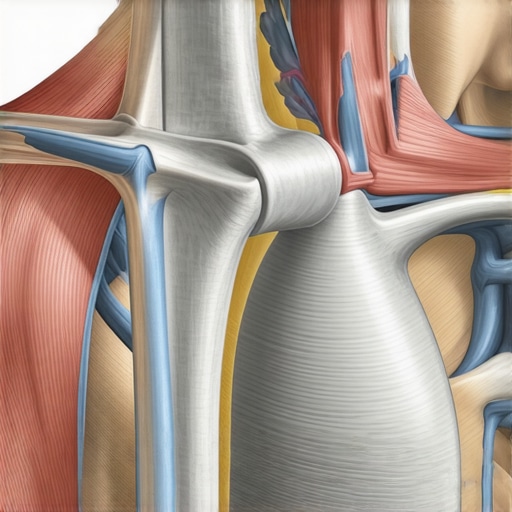
The Hidden Trap of the No Pain No Gain Mindset
In the world of sports rehab, there is a dangerous tendency to push through the ‘pinch.’ I’ve seen athletes aggravate a minor impingement into a full-blown tear because they followed the old-school advice of ‘no pain, no gain.’ The truth is that the truth about no pain no gain in sports rehab is that pain is your most valuable data point. If a movement causes a sharp, electrical zing, your body is telling you that the joint space is closed. Pushing through it doesn’t make you tougher; it just ensures you’ll be back in the clinic in three weeks with a worse injury. Instead, you should focus on revolutionize your rehab with chiropractic techniques that open that joint space first, creating the room your tendons need to move freely without friction during those critical hours of sleep.
The Neurological Reset Your Body is Actually Craving
Have you ever noticed how an adjustment seems to make your muscles ‘melt’ even though the chiropractor didn’t actually massage them? That is the power of addressing the nervous system. When a joint is restricted or misaligned, it sends a constant stream of ‘danger’ signals to the spinal cord. This keeps your muscles in a state of high tension, which leads to that familiar 3:00 AM throb as your body fails to enter a state of deep recovery. By utilizing strategic chiropractic solutions for long-term back health and shoulder function, we aren’t just ‘fixing a kink.’ We are clearing the line so your brain can finally tell those shoulder muscles it is safe to relax. Have you ever fallen into the trap of stretching a muscle that just wouldn’t let go? Let me know in the comments, because once you stop fighting your body and start working with its mechanics, the real healing begins.
Once you move past the emergency phase where every night is a battle for sleep, you transition into the maintenance phase. I used to think I could just stop doing the work once the pain vanished, but that is like stopping your car’s oil changes because the engine isn’t smoking yet. I personally swear by a specific color-coded system of resistance bands to keep my rotator cuff resilient. Knowing how to choose the right resistance band for shoulder rehab is the difference between actually strengthening your infraspinatus and just irritating your bicep tendon again. I keep a light-tension red band hooked to my office door handle; it serves as a visual cue to perform a few external rotations every time I get up for water. Dr. Kelly Starrett, a renowned physical therapist and author of Becoming a Supple Leopard, often emphasizes the importance of ‘upstream’ and ‘downstream’ mechanics. This means your shoulder pain might actually be a downstream symptom of a stiff neck or a locked-up rib cage. If you do not address the source, the symptom will always return. This is where enhancing athletic performance with targeted chiropractic care becomes your secret weapon. It is not just about a quick fix; it is about ensuring the upstream structures, like your cervical and thoracic spine, are providing the stable base your shoulder needs to function without friction. 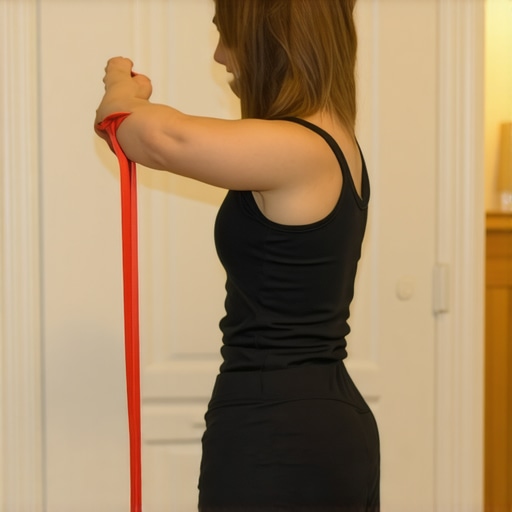
How can I keep my shoulders healthy for the next decade?
Consistency beats intensity every single time. I have found that a maintenance check-in with a professional every few weeks prevents small mechanical hitches from snowballing into full-blown injuries. Integrating essential tips for managing back pain through healthy lifestyle choices, like staying hydrated to keep your spinal discs resilient, creates a foundation that supports your shoulder joint too. I also focus on strategic chiropractic solutions for long-term back health because your shoulder blade literally floats on your rib cage. If the cage is stuck, the blade cannot glide. Looking ahead, I see the world of sports rehab moving toward high-resolution biofeedback and wearable sensors that tell you exactly when your scapula starts to wing during a workout, allowing you to self-correct in real-time. Until those sensors are in every gym shirt, we rely on professional expertise. Utilizing the role of chiropractic care in effective sports injury recovery ensures that even as you scale your training or return to the sport you love, your mechanics remain sound. I want you to try this right now: find a doorway and perform a slow, controlled W-stretch, focusing on pulling your shoulder blades down toward your back pockets rather than just squeezing them together. If you feel a sharp pinch, stop and schedule a professional assessment before that 3 AM throb returns.
The Hardest Lessons I Learned While My Shoulder Ached
I wasted thousands of dollars and months of sleep before realizing that my shoulder wasn’t actually ‘weak’—it was just constantly being asked to perform in a compromised position. Here are the lightbulb moments that changed everything for me.
- Chasing the pain is a trap. I spent so much time rubbing the spot that hurt, never realizing the real issue was a stiff rib cage and a ‘stuck’ neck.
- MRI scans aren’t destiny. Learning how to read your MRI report without panicking was a game-changer. Just because a scan shows wear and tear doesn’t mean you are doomed to a life of thumping pain; it just means your mechanics need an upgrade.
- Stability is the precursor to peace. You can’t stretch your way out of a stability problem. Once I started using proven chiropractic strategies to stabilize my upper back, the tightness I was fighting every night simply vanished.
#IMAGE_PLACEHOLDER_E#
My Personal Toolkit for Pain-Free Sleep
I’ve tried every gimmick in the book, from weighted blankets to copper-infused sleeves. Most of it is fluff. If you want to actually fix your sleep, focus on these few essentials. First, a high-quality firm pillow isn’t for your head—it’s for your arm. Keeping your shoulder in a neutral ‘hug’ position is the single most effective way to stop nighttime impingement. Second, keep a lacrosse ball on your nightstand. If you wake up tight, two minutes of thoracic work can reset your system faster than any pill. Finally, remember that chiropractic techniques for faster recovery aren’t just for when you are broken; they are part of a maintenance toolkit that keeps your joints ‘oiled’ and your nervous system calm.
You Deserve to Wake Up Without a Fight
Chronic pain has a way of shrinking your world. It makes you say no to the activities you love and makes the simple act of lying down feel like a chore. But please hear me: you aren’t ‘just getting old,’ and your shoulder isn’t a lost cause. By combining proper sleep mechanics with professional care, you can break the cycle. When you revolutionize your rehab through better alignment, you aren’t just fixing a shoulder; you are reclaiming your energy. I want you to imagine a morning where your first thought isn’t about your pain, but about what you actually want to do with your day. What is the one activity you’ve been avoiding because of your shoulder pain? Let me know in the comments below—I’d love to help you find a way back to it.