
I was out there at 6:00 AM, breath freezing in the air, trying to clear the driveway before my wife had to leave for work. I reached for a particularly heavy pile of slush at the end of the drive, twisted to toss it, and—snap. Not a literal bone snap, but that terrifying electric jolt that tells you your lower back has officially left the building. I spent the next three days staring at the ceiling, realizing that my ‘muscular’ approach to yard work was a total lie. I’d made the classic rookie mistake of planting my feet and rotating from my lumbar spine instead of my hips. It was a painful, localized lesson in anatomy, but it forced me to find a better way. Today, I’m going to share the exact weight-shift technique that saved my winters. We’re going to fix your form so you can clear the driveway without waking up the next day feeling like you’ve been folded into a suitcase. If you’ve ever felt that ‘catch’ in your spine while lifting a heavy load, you know exactly how high the stakes are. Have you ever had your back lock up mid-shovel, or are you just trying to prevent that first winter injury?
Stop Treating Your Spine Like a Rusty Crane
Most of us approach a snow pile like we’re a piece of heavy machinery. We hinge at the waist, grab the handle, and pray our discs are feeling resilient. But your spine isn’t built to be a crane; it’s a stabilizer. When you lift and twist simultaneously, you’re putting massive shear force on your vertebrae. In fact, research published in the American Journal of Emergency Medicine notes that snow shoveling leads to thousands of ER visits every year, with soft tissue strains being the most frequent culprit. I used to think I could just power through it with sheer grit, but that ego is exactly what leads to a desperate search for why bed rest is the worst thing for acute back spasms once the damage is done. The ‘Simple Move’ isn’t about building more muscle; it’s about the ‘Belly Button Pivot.’ Instead of throwing the snow with your arms and twisting your torso, you keep the shovel handle tight to your center and move your entire body as one unit. You need to master the correct way to brace your core for heavy carries so your legs do the work and your spine just stays for the ride.
Will this tiny shift actually save your weekend?
It sounds too simple to be true, right? ‘Just pivot your feet.’ But the mechanics of a back spasm are usually triggered by a micro-instability that causes your muscles to lock down in a protective ‘splint.’ By moving your feet, you eliminate the rotational torque that causes that instability. I’ve helped dozens of my own neighbors avoid the need for strategic chiropractic solutions for long-term back health—which are vital for recovery, don’t get me wrong—but I’d much rather you see your chiropractor for a performance tune-up than an emergency rescue. This move keeps the pressure off the facet joints and keeps your nervous system from hitting the panic button every time you hit a patch of ice. Ready to see exactly how to time your breathing and footwork to stay pain-free? Let’s break down the mechanics of the pivot.
Turn Your Hips Into a Barn Door Hinge
The biggest mistake I see—and the one that sent me to the floor—is bending from the waist. Your lumbar spine is essentially a stack of delicate blocks; it’s not meant to fold like an accordion under load. Instead, you need to initiate every scoop by pushing your hips back. Think of your hips as the heavy-duty hinges on a barn door. When you hinge correctly, you’re engaging the glutes and hamstrings, which are designed for power. By applying the deadlift cue that stops your lower back from rounding, you keep your spine in a neutral, safe position. I tell my clients to imagine they are trying to close a car door with their butt while their hands are full of groceries. That’s the movement pattern that keeps you out of the ER.
The Core Shield That Protects Your Discs
Once you’ve mastered the hinge, you need to create internal pressure to support the weight of the snow. Most people hold their breath or let their stomach go soft, which leaves the spine vulnerable. You need to employ the correct way to brace your core for heavy carries before the shovel even touches the ground. This isn’t about sucking your stomach in; it’s about ‘stiffening’ your midsection as if someone is about to punch you. Coupling this with how to breathe while lifting to protect your pelvic floor creates a pressurized cylinder around your spine. If you feel your lower back arching, you’ve lost that tension.
Move Your Boots Instead of Your Spine
Here is the ‘meat’ of the technique: the Belly Button Pivot. When you have a full shovel, your belly button and the shovel handle should move together like they are connected by a rigid bar. If your shovel moves to the left while your feet stay planted, you are twisting your lower back under load—the exact recipe for a herniated disc. Instead, you must ‘step’ into the direction you want the snow to go. I remember the blizzard of 2021 when the drifts were waist-high. I was exhausted, and I almost went back to my old ‘twist and throw’ habit. I caught myself, reset my feet, and focused on pointing my toes toward the pile before dumping. It took five minutes longer, but I woke up the next morning without a single ‘zap’ in my lumbar region.

Keep the Shovel in the Safe Zone
Physics is a cruel mistress when it comes to back health. The further the shovel is from your body, the heavier the load becomes for your spine. This is the ‘lever arm’ effect. By keeping the shovel handle as close to your thighs as possible, you drastically reduce the torque on your lower vertebrae. If the snow is too heavy to keep close, take smaller scoops. It is much better for your long-term health to take ten small, controlled trips than one massive, spine-straining heave. This mechanical efficiency is why many people discover how chiropractic adjustments can alleviate chronic back pain—it realigns the frame so these movements feel natural again. Understanding the science behind chiropractic adjustments for back pain relief helps you realize that your body is a system of levers; keep those levers short and your hinges greased, and you’ll survive the winter unscathed.
Most of the advice you hear in the gym or at the dinner table revolves around ‘loosening up.’ People tell you to touch your toes or do deep yoga twists when your back feels stiff. But here is the truth: for many of us, especially those who have already dealt with a disc issue, more flexibility is often the last thing we need. In my practice, I’ve found that the ‘stiffness’ you feel is actually your brain’s way of protecting you—a muscular splint. If you try to stretch through that splint, you’re essentially picking a scab. This is exactly why your morning stretches might be making your back more sensitive and why I often tell people to stop the aggressive mobility work until we’ve stabilized the core. Have you ever fallen into this trap of stretching harder when it hurts? Let me know in the comments.
Are You Overloading Your Spine Without Even Realizing It?
The ‘Oops’ factor in recovery often comes down to how we manage inflammation. We’ve been told for decades to ‘ice everything,’ but modern sports rehab is shifting away from that. Research published in the Journal of Athletic Training suggests that excessive icing can actually delay the arrival of the growth factors needed for tissue repair. This is precisely why icing your lower back might be slowing down recovery. You want blood to flow and waste to be removed; by freezing the area, you’re putting the internal ‘cleaning crew’ on a mandatory break. Instead of ice, we look at movement. I’ve seen patients who think they need strategic chiropractic solutions for long-term back health only to realize their primary issue was a micro-loading habit they hadn’t even noticed.
Why the Suck It In Advice Is Killing Your Stability
If you’ve been told to ‘pull your belly button to your spine’ while lifting, you’ve been given bad advice. That action actually narrows your base of support and weakens your structural integrity. You want to expand outward, creating a 360-degree ‘hoop’ of tension. This is one of the core principles when people discover how chiropractic adjustments can alleviate chronic back pain—it is not just about the ‘pop’; it is about resetting the system so you can brace effectively. The real difference between a chiropractor and a PT often comes down to this: one focuses on the alignment and nervous system communication, while the other builds the capacity of the tissue. You need both to survive a long winter or a heavy lifting session.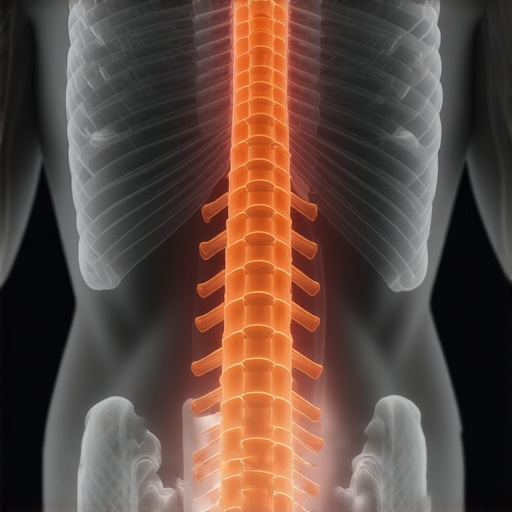
Don’t Mistake Nerve Tension for Muscle Tightness
One final hidden nuance is the role of the nervous system. Often, that ‘tight’ hamstring isn’t a short muscle at all; it is a nerve being tugged on at the spinal level. If you stretch that ‘muscle,’ you are actually irritating the nerve further. We focus on ‘nerve flossing’ and spinal decompression to ensure the truth about no pain no gain in sports rehab is respected. Pushing through a ‘burning’ stretch when a nerve is involved is a recipe for a multi-week setback. According to spinal expert Dr. Stuart McGill, building ‘muscular endurance’ in the stabilizers is significantly more protective than building raw strength or extreme flexibility. Stop trying to be a contortionist and start trying to be a pillar.
Upgrade Your Gear Before the Next Blizzard
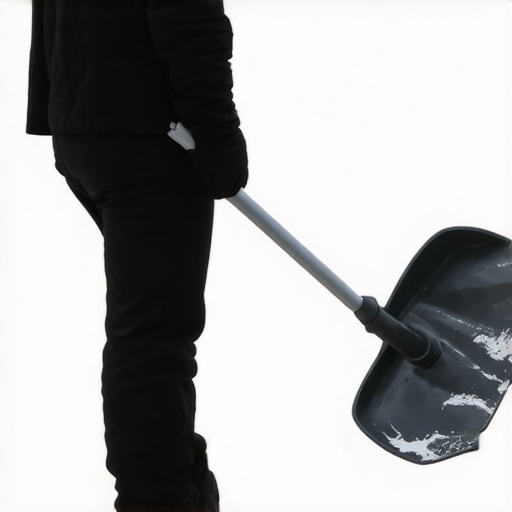
When the snow starts piling up, the right equipment is your first line of defense. I’ve personally switched to using an ‘ergonomic’ shovel with a secondary handle midway down the shaft. This specific design significantly reduces the amount of forward bending required to lift a heavy scoop. If you’re still using that flat wooden shovel from 1994, you are essentially asking for a disc flare-up. Beyond the shovel, I rely on a firm foam roller—not to ‘roll out’ a painful lower back, which is a common mistake, but to maintain thoracic mobility. If your mid-back stays mobile, your lower back doesn’t have to compensate. You can find the best way to use a foam roller for it-band relief and other areas to keep the entire kinetic chain functioning. I also swear by a 2-minute bracing drill before I even step outside. This isn’t just about warming up; it’s about ‘reminding’ the brain how to stabilize.
How do I maintain spinal resilience over time?
Maintenance isn’t a one-time event; it’s a lifestyle choice. I’ve seen patients who think one visit fixes everything, but the real magic happens in the follow-up. Using proven chiropractic strategies to keep your joints moving through their full range of motion prevents the stiffness that leads to acute injury. This proactive approach is a cornerstone of strategic chiropractic solutions for long-term back health. I also recommend keeping a simple log of your activity levels. If you notice your back feels ‘twingy’ after every heavy lifting session, it’s time to adjust your mechanics. Integrating essential tips for managing back pain through healthy lifestyle choices—like staying hydrated and maintaining a consistent sleep schedule—supports the nervous system’s ability to recover from physical stress.
The Future of Not Throwing Your Back Out
The field of biomechanics is moving toward real-time biofeedback. I predict that within the next five years, we will see ‘smart’ base layers—compression shirts and leggings—with integrated sensors that vibrate the moment your spine enters a high-risk loading zone (like that dreaded twist-and-throw). Until that tech is standard, we have to rely on our internal sensors. The North American Spine Society (NASS) clinical guidelines emphasize that patient education on movement patterns is just as critical as the physical treatment itself. If you’ve already suffered a setback, focusing on the best exercises for rebuilding strength after a disc bulge is the fastest way to get back to a full life. I challenge you to try this today: before you pick up any heavy object, take one deep breath into your belly and ‘stiffen’ your core for just three seconds. That one habit alone could save you months of rehab. We aren’t finished with the winter proofing yet; next, we’re looking at how to fix the damage if you’ve already pushed too far.
What My Emergency Room Scare Taught Me About Grit
After years of treating patients and dealing with my own ‘snap’ moments, I’ve realized that the biggest barrier to a healthy back isn’t lack of muscle—it’s a lack of awareness. Here is the insider wisdom I wish I’d had a decade ago:
- Pain is a protective brake, not a speed bump. If your back feels ‘tight,’ it’s often your nervous system trying to stabilize a perceived threat. This is exactly why your morning stretches might be making your back more sensitive if you aren’t careful.
- Symmetry is your best friend. We all have a ‘favorite’ side to throw snow toward, but that leads to massive imbalances. Force yourself to switch hands every five minutes to distribute the load evenly across your joints.
- The ‘One Last Scoop’ Trap is real. Most injuries happen at the very end of the driveway when fatigue has eroded your form. If you’re tired, leave the last patch of snow for later; your discs will thank you.
Building Your Winter Resilience Kit
You don’t need a home gym to protect your spine, but a few specific tools make a world of difference. First, invest in a dual-handle ergonomic shovel; it changes the leverage point so your lumbar spine doesn’t have to act as the primary fulcrum. Second, I always keep a lacrosse ball handy. I use it for better thoracic mobility, which ensures my mid-back moves so my lower back doesn’t have to compensate. Finally, check out the clinical work on spinal stabilization by experts like Dr. Stuart McGill; it is the gold standard for anyone trying to understand their own mechanical limits during the winter months.
Take the First Step Toward a Pain-Free Winter
Winter shouldn’t be a season of dread. By mastering the pivot and learning essential tips for managing back pain through healthy lifestyle choices, you can reclaim your freedom of movement. Remember, your body is resilient, but it requires the right input to stay functional. If you’ve been struggling with a lingering ache after a storm, you can unlock back pain relief with expert chiropractic adjustments that work to get your nervous system back in sync. Don’t wait for the next blizzard to start thinking about your form. Start today, one small, intentional movement at a time. Have you ever tried an ergonomic shovel, or do you prefer the old-school flat ones? Let me know below.