
I remember that one July morning three years ago. I stepped out of bed, and it felt like a bolt of lightning shot from my heel right up to my lower back. I’d spent the last three months living in those flimsy $5 rubber flip-flops. I thought I was being airy and free, but I was actually destroying my gait. It’s a classic mistake I made early on: assuming that convenience equals comfort. I ignored the dull ache in my arches until my entire kinetic chain was out of whack. Today, we are going to dive into the messy reality of what happens to your body when you ditch support for style. I’ll show you how to identify the subtle shifts in your stride and, more importantly, how to reverse the damage to your joints. Have you ever noticed that weird clicking in your hip after a day at the beach?
Your Feet are Working Overtime Just to Stay Put
[IMAGE_PLACEHOLDER] When you wear flip-flops, your toes have to constantly scrunch to keep the shoe from flying off. This isn’t just a foot problem; it’s a structural nightmare. That repetitive gripping changes how your muscles fire all the way up to your hips. In fact, research cited by the American Podiatric Medical Association highlights that the constant toe-grip required to hold on to a flip-flop can lead to muscle overextension and permanent changes to your walking mechanics. I learned the hard way that the hidden link between your ankles and lower back health is no joke. By the time August rolled around, I wasn’t just dealing with sore feet; I was looking for chiropractic adjustments to alleviate chronic back pain that I had basically invited into my life by choosing bad footwear.
Is a few months of seasonal footwear really enough to ruin my gait?
You might think I’m being dramatic, but the biomechanics do not lie. When your heel isn’t secured, your stride shortens and your impact increases. It’s similar to how your running shoes might be the cause of your shin splints if they aren’t suited for your specific foot type. Your body is incredibly good at compensating, right up until it isn’t. If you’ve been feeling stiff lately, let me know in the comments—did your pain start right around the time you broke out the sandals?
Fix Your Gait Before the Damage Sticks
Fixing a summer-ruined gait starts with re-teaching your feet how to move without gripping. I remember trying to go for my first proper trail run in late August after a season of ‘beach lifestyle.’ Three miles in, my shins felt like they were being hit with hammers and my lower back was so tight I couldn’t bend over to untie my laces. I had to spend three weeks undoing the ‘scrunch’ habit my toes had developed. The first thing you need to do is address your ankle range of motion. When you wear flat, unsupportive sandals, your calves tighten and your ankles lose their ability to flex upward. You can test this and fix it simultaneously with the 45-second drill to improve your ankle dorsiflexion. This drill forces the joint to glide correctly, preventing that ‘block’ feeling that sends shockwaves into your knees and hips. 
Restore Your Pelvic Alignment with a Simple Reset
Your pelvis acts like a bowl of water. When you wear flip-flops, that ‘toe-scrunch’ pulls your center of gravity forward, causing the ‘water’ to spill out the front. This is an anterior pelvic tilt, and it’s the primary driver of that dull, nagging ache in your lumbar region. To correct this, stand barefoot and try to ‘shorten’ your foot by pulling the ball of your foot toward your heel without curling your toes. This engages the intrinsic muscles of the arch that have likely gone dormant. I practiced this every morning while brushing my teeth for two weeks, and the difference in my standing stability was night and day. If you don’t address this foundational collapse, even expert chiropractic adjustments that work will only provide temporary relief because your daily walking habits will keep pulling the vertebrae back out of sync.
Lengthen Your Stride to Decompress the Spine
Flip-flops force a short, choppy, shuffling walk because you are subconsciously afraid the shoe will slide off. This lack of a ‘terminal stance’—the phase of walking where your leg is behind you—keeps your hip flexors in a constant state of contraction. To fix this, you must consciously focus on a ‘heel-to-toe’ roll and actually push off with your big toe. It sounds basic, but it is the simple change to your walking stride that relieves sciatica by naturally decompressing the nerve through movement. If you’re still feeling that sharp arch in your spine while you walk, you need to learn how to stop your lower back from arching by engaging your lower abdominals as you step. Finally, when the skeletal system has shifted significantly over a season, DIY stretches might not be enough. You often need strategic chiropractic solutions for long-term back health to reset the joint segments that have locked up in a compensatory pattern. This restores the neurological communication between your brain and your feet, ensuring your muscles stop overworking for a skeleton that is out of alignment.
Let’s dig deeper. Most people assume that if their summer footwear choice caused the problem, a pair of high-end sneakers or rigid orthotics will automatically solve it. This is the first major misconception I see in sports rehab. While support is necessary during the acute phase of an injury, staying in a “corrective” shoe for too long is like keeping a broken arm in a cast for a year; eventually, the muscles underneath simply waste away. This is the “trap” of over-correction. Before you commit to expensive inserts, you need to learn how to know if your orthotics are making your feet weaker. By bypassing the natural mechanics of the foot, you are effectively muting the proprioceptive feedback your brain needs to stabilize the spine.
Stop Looking at Your Feet to Fix Your Back
In clinical practice, we often see patients who have “fixed” their footwear but still suffer from recurring lumbar issues. This happens because the brain has already adapted to a dysfunctional gait pattern. Even with better shoes, your nervous system might still be firing as if you’re trying to keep a flip-flop from flying off. A study in the Journal of Manipulative and Physiological Therapeutics highlights that targeted spinal adjustments can significantly alter gait parameters and pressure distribution in the feet. This suggests that the real solution isn’t just external (shoes), but internal (neurological). This is where the role of chiropractic care in effective sports injury recovery becomes undeniable. It’s about resetting the communication between the ground and the brain. If you ignore the kinetic chain, you’re just chasing symptoms. When we look at the science behind chiropractic adjustments for back pain relief, it’s clear that we aren’t just moving bones; we are influencing the mechanoreceptors that tell your body where it is in space. 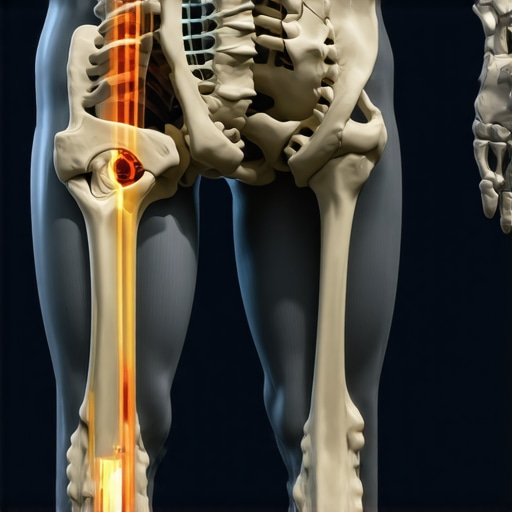
Why Do My Adjustments Feel Great Only to Fade by Tuesday?
This is the most common question I get from patients who are active in sports. If you feel fantastic after leaving the office but find yourself stiff again by the next morning, you are likely dealing with the truth about why your adjustments don’t seem to last. It usually comes down to “muscle memory” for a bad posture. If your chiropractor hasn’t mentioned it yet, ask why your chiropractor checks your leg length every visit; it’s a vital indicator of whether your pelvis is actually holding its new, corrected position or slipping back into that seasonal “slouch.” Another critical “oops” factor to avoid is the urge to self-treat with intense tools. For instance, why you should never roll your lower back on a foam roller is a piece of advice that saves dozens of my patients from making their disc issues worse. Pushing a foam roller into the lumbar curve can actually force the vertebrae into an even more precarious position by creating excessive localized extension. Instead, you need strategic chiropractic solutions for long-term back health that focus on core stabilization alongside joint manipulation. Have you ever fallen into this trap of thinking more “gear” was the answer when you actually needed better movement? Let me know in the comments below. By addressing the neurological “map” as much as the physical bones, you can stop the cycle of seasonal pain before it becomes a permanent part of your gait.
I’ve personally switched to using toe spacers—specifically Correct Toes designed by Dr. Ray McClanahan—for at least two hours every evening. Unlike generic gel versions found in big-box stores, these are designed to be worn while moving, which is crucial for re-educating the nervous system. This isn’t just about foot comfort; it’s about restoring the tripod of the foot. When your big toe can’t splay, your arch inevitably collapses, and as we discussed, that’s when your lower back starts compensating for the lack of a stable base. To keep this alignment intact between your sessions, I rely on essential tips for managing back pain through healthy lifestyle choices like switching to a wide-toe-box shoe for my daily commute.
Widen Your Base with Functional Tools
I also keep a slant board under my desk. It sounds like a niche piece of gym equipment, but for anyone who has suffered through a season of flat sandals, it is a godsend for lengthening the gastroc and soleus muscles. Tight calves are the silent killers of a healthy stride. When the back of your leg is tight, your heel lifts early, forcing a “bouncy” walk that shears the discs in your lower back. Combining slant board work with strategic chiropractic solutions for long-term back health ensures that we are tackling the problem from both the soft tissue and the skeletal side.
How do I maintain a healthy gait over time?
Maintaining your results requires a permanent shift from “fixing” a problem to “tuning” a system. I’ve found that the best way to prevent a relapse into that “summer shuffle” is to integrate how to safely adjust your own posture throughout the day. It’s not about being rigid or standing like a soldier; it’s about checking in with your pelvis every time you’re at a red light or sitting in a meeting. If you feel that anterior tilt creeping back, you need to revisit how to breathe through your belly for instant lower back relief. Diaphragmatic breathing creates internal pressure that acts like a natural weight belt, stabilizing the spine from the inside out so your feet don’t have to work as hard to balance you. 
The Coming Age of Smart Insoles
As we look toward the next few years, I predict we’re going to see a massive shift toward “Bio-Feedback Footwear.” We’re already seeing early prototypes of smart insoles—like those being developed by companies specializing in pressure mapping—that sync with your phone to alert you when your gait symmetry drops below a certain threshold. This tech will make enhancing athletic performance with targeted chiropractic care even more precise because we’ll have weeks of actual movement data. If you want to feel an immediate difference in your stability right now, I challenge you to try this: next time you’re standing in line, don’t just stand there. Spread your toes as wide as possible inside your shoes and try to “shorten” your foot by lifting the arch. It sounds simple, but this active engagement is a cornerstone of revolutionize your rehab chiropractic techniques for faster recovery. Stop letting your shoes do all the work, and start reclaiming the strength your feet were built for.
What I Wish Someone Told Me Before My Arch Collapsed
Looking back at my own recovery, the most humbling lesson was realizing that ‘convenience’ footwear like flip-flops creates a massive neurological lag. Even after I threw those flimsy sandals away, my feet continued to behave as if they were still there, with my toes constantly ‘clawing’ the ground. I wish I’d known that the arch isn’t just a bone structure; it’s a dynamic muscle system that needs constant engagement. Another ‘lightbulb’ moment was discovering that my pelvic tilt wasn’t just a core issue, but a direct response to my shortened stride. By the time you feel the ache, your body has likely been compensating for months, which is why a ‘wait and see’ approach usually just embeds the problem deeper into your nervous system.
My Daily Toolkit for Structural Resilience
To keep my alignment in check, I rely on a few non-negotiable tools that go beyond the standard gym kit. First is a slant board, which I use for three minutes every morning to counteract the calf-shortening effects of flat footwear. Second, I’ve integrated Correct Toes spacers into my evening routine to help restore the natural ‘splay’ that modern shoes tend to destroy. For those who want to dig into the ‘why’ behind these fixes, I highly recommend exploring boost your sports rehab journey with proven chiropractic strategies. These tools work in tandem with professional care to ensure you aren’t just stretching tight muscles, but actually stabilizing the joints. I also find that essential tips for managing back pain through healthy lifestyle choices, like checking your monitor height and car seat angle, prevent these foot-driven issues from escalating into full-blown spinal crises.
Your Move Toward a Pain-Free Stride
You don’t have to let a few months of summer freedom dictate the health of your spine for the rest of the year. Your body is a masterpiece of adaptation, and with the right stimulus, it can unlearn those destructive ‘flip-flop’ habits just as quickly as it acquired them. By committing to mindful movement and leveraging strategic chiropractic solutions for long-term back health, you can ensure that every step you take builds strength rather than wear and tear. Don’t be afraid to challenge your current habits; your future self—and your lower back—will thank you for it. Using revolutionize your rehab chiropractic techniques for faster recovery isn’t just about fixing a problem; it’s about optimizing how you move through the world. Have you ever noticed your back pain flaring up specifically after a weekend in sandals or flat shoes? Let me know in the comments below!