
I was sitting on my porch, sweating after a three-mile run, when I noticed something that made my stomach drop. I’d been dealing with this nagging, sharp pinch in my right hip for weeks, and as I pulled off my sneakers, I saw it: the outer heel of my right shoe was ground down to almost nothing, while the left looked brand new. It wasn’t just a bum pair of shoes; it was a physical roadmap of why my body was failing me. I realized then that my shoes weren’t the enemy—they were the snitch. For a long time, I wrongly assumed that my running shoes were the cause of my shin splints, but the real culprit was a silent hip misalignment that was throwing my entire gait off. Today, I’m going to help you decode what those worn-down soles are saying and how you can finally find relief for your hips.
Your Sneakers Are Snitching on Your Hip Alignment
I’ll be the first to admit that I spent way too much money on ‘top-tier’ footwear early in my journey, thinking the gear would fix the person. I made the classic mistake of replacing my shoes every few months instead of addressing the fact that my right hip was hiked. This is exactly why your chiropractor checks your leg length every visit; it’s the most basic indicator of how your foundation is holding up. If your wear pattern is asymmetrical, your hips are likely compensating for a lack of mobility somewhere else. I remember the frustration of thinking I was doing everything right—stretching, icing, resting—only to have that hip pain return the moment I hit the pavement. It felt like I was fighting a losing battle against my own anatomy. But your body is incredibly smart; it doesn’t just develop pain for no reason. It’s communicating. When I finally stopped looking at my hip as an isolated problem and started looking at the role of chiropractic care in effective sports injury recovery, the pieces started falling into place.
Is a little uneven wear really worth worrying about?
You might think it’s just a quirk of how you walk, but that friction is a sign of wasted energy and joint stress. According to the American Podiatric Medical Association, even a slight abnormality in your gait can increase the mechanical load on your hip and knee joints by up to 25%, leading to premature wear and tear. If you’ve been trying to stop ignoring that click in your hip, looking at your soles is the first step toward a real solution. If you’ve been wondering why your hip flexors are still tight after a year of stretching, the answer might be literally staring you in the face from the bottom of your closet. We aren’t just talking about aesthetic wear; we’re talking about the integrity of your joints.
The Invisible Link Between Your Soles and Your Spine
Everything in your body is part of a kinetic chain. When your foot hits the ground improperly, it sends a shockwave up through your ankle and knee, eventually landing right in your pelvis. I eventually discovered the hidden link between my ankles and lower back health, and it changed everything about how I approached my recovery. It’s not just about the feet; it’s about how your brain is positioning your body to avoid pain. Have you looked at the bottom of your shoes lately and seen a lopsided pattern? I’d love to hear if your ‘good’ shoe and ‘bad’ shoe match up with where you feel your aches. Understanding this connection is the key to moving from temporary fixes to long-term stability, and we’re going to dive into the specific patterns you need to look for next.
Flip Your Shoes Over and Look for These Three Patterns
To start your physical audit, grab your most-worn pair of sneakers and hold them up at eye level. Don’t look at the logos; look at the rubber. If you see heavy smoothing on the outside edge of the heel—similar to what I found during my marathon training—you’re likely dealing with supination. I once ignored a shaved-down outer heel for an entire training cycle, only to find that my ‘sleepy’ glute medius was letting my hip drop with every single stride. This isn’t just about footwear; it’s a sign that your body is searching for stability in all the wrong places. When your foot doesn’t roll inward naturally, the shock of the pavement travels directly into your femur and into your pelvic bowl. You might even notice that why your glutes won’t fire during your workout is directly tied to this rigid foot posture.
The Inner Edge Grind and What It Says About Your Core
Conversely, if the wear is concentrated on the inner edge of the sole, near the big toe, you are overpronating. This is essentially your arch collapsing under pressure, which forces your knee to valgus (cave inward) and your hip to rotate internally. This constant internal rotation pulls on the lower back, often leading to that dull, nagging ache after a long day of standing. It’s a perfect example of why your foot arch affects your knee alignment during lunges. If you’ve been struggling with form, the culprit might be your foundation rather than your focus. 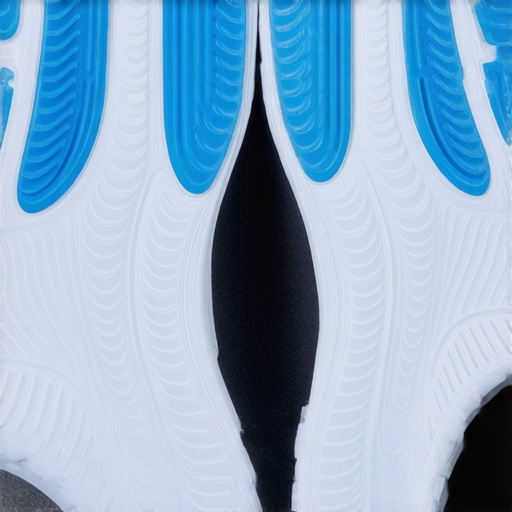
The Two-Step Reset for a Balanced Gait
Once you’ve identified your pattern, you have to address the mobility restrictions that forced your body into that habit. Think of your joints like the hinges on a door; if the frame is crooked, the hinge will squeak no matter how much oil you use. The ‘oil’ in this case is movement. First, you need to address ankle stiffness. I’ve found that the 45-second drill to improve your ankle dorsiflexion is the fastest way to give your hips more breathing room. If your ankles can’t flex, your hips have to overwork, which eventually leads to that lopsided wear you see on your shoes.
Why Chiropractic Adjustments Act as a System Re-Boot
While stretching is great, it often targets the muscle without addressing the joint’s ‘stuck’ position. This is where professional intervention becomes a game-changer. You can’t stretch your way out of a bone-on-bone restriction. When you discover how chiropractic adjustments can alleviate chronic back pain, you’re essentially hitting the reset button on your nervous system. By realigning the pelvis and spine, the chiropractor allows the brain to communicate clearly with the legs again. I remember my first adjustment after that hip injury; it felt like someone had finally greased the gears in my lower back. This isn’t magic; it’s physics. Understanding the science behind chiropractic adjustments for back pain relief helps you realize that we are just removing the mechanical interference that’s making you walk like a lopsided tripod.
Correcting the Butt Wink and Pelvic Tilt
Finally, look at your squat mechanics. If your tailbone tucks under at the bottom of a movement, you’re dealing with the ‘butt wink.’ This is a classic sign that your hips and lower back aren’t playing nice together. Learning how to fix the butt wink in your deep squat is essential for anyone who wants to stop the cycle of wearing out their shoes and their joints simultaneously. By combining these mechanical fixes with regular maintenance, you stop being a victim of your own gait and start moving with the efficiency your body was designed for.
I was sitting on my porch, sweating after a three-mile run, when I noticed something that made my stomach drop. I’d been dealing with this nagging, sharp pinch in my right hip for weeks, and as I pulled off my sneakers, I saw it: the outer heel of my right shoe was ground down to almost nothing, while the left looked brand new. It wasn’t just a bum pair of shoes; it was a physical roadmap of why my body was failing me. I realized then that my shoes weren’t the enemy—they were the snitch. For a long time, I wrongly assumed that my running shoes were the cause of my shin splints, but the real culprit was a silent hip misalignment that was throwing my entire gait off. Today, I’m going to help you decode what those worn-down soles are saying and how you can finally find relief for your hips.
Your Sneakers Are Snitching on Your Hip Alignment
I’ll be the first to admit that I spent way too much money on ‘top-tier’ footwear early in my journey, thinking the gear would fix the person. I made the classic mistake of replacing my shoes every few months instead of addressing the fact that my right hip was hiked. This is exactly why your chiropractor checks your leg length every visit; it’s the most basic indicator of how your foundation is holding up. If your wear pattern is asymmetrical, your hips are likely compensating for a lack of mobility somewhere else. I remember the frustration of thinking I was doing everything right—stretching, icing, resting—only to have that hip pain return the moment I hit the pavement. It felt like I was fighting a losing battle against my own anatomy. But your body is incredibly smart; it doesn’t just develop pain for no reason. It’s communicating. When I finally stopped looking at my hip as an isolated problem and started looking at the role of chiropractic care in effective sports injury recovery, the pieces started falling into place.
Is a little uneven wear really worth worrying about?
You might think it’s just a quirk of how you walk, but that friction is a sign of wasted energy and joint stress. According to the American Podiatric Medical Association, even a slight abnormality in your gait can increase the mechanical load on your hip and knee joints by up to 25%, leading to premature wear and tear. If you’ve been trying to stop ignoring that click in your hip, looking at your soles is the first step toward a real solution. If you’ve been wondering why your hip flexors are still tight after a year of stretching, the answer might be literally staring you in the face from the bottom of your closet. We aren’t just talking about aesthetic wear; we’re talking about the integrity of your joints.
The Invisible Link Between Your Soles and Your Spine
Everything in your body is part of a kinetic chain. When your foot hits the ground improperly, it sends a shockwave up through your ankle and knee, eventually landing right in your pelvis. I eventually discovered the hidden link between my ankles and lower back health, and it changed everything about how I approached my recovery. It’s not just about the feet; it’s about how your brain is positioning your body to avoid pain. Have you looked at the bottom of your shoes lately and seen a lopsided pattern? I’d love to hear if your ‘good’ shoe and ‘bad’ shoe match up with where you feel your aches. Understanding this connection is the key to moving from temporary fixes to long-term stability, and we’re going to dive into the specific patterns you need to look for next.
Flip Your Shoes Over and Look for These Three Patterns
To start your physical audit, grab your most-worn pair of sneakers and hold them up at eye level. Don’t look at the logos; look at the rubber. If you see heavy smoothing on the outside edge of the heel—similar to what I found during my marathon training—you’re likely dealing with supination. I once ignored a shaved-down outer heel for an entire training cycle, only to find that my ‘sleepy’ glute medius was letting my hip drop with every single stride. This isn’t just about footwear; it’s a sign that your body is searching for stability in all the wrong places. When your foot doesn’t roll inward naturally, the shock of the pavement travels directly into your femur and into your pelvic bowl. You might even notice that why your glutes won’t fire during your workout is directly tied to this rigid foot posture.
The Inner Edge Grind and What It Says About Your Core
Conversely, if the wear is concentrated on the inner edge of the sole, near the big toe, you are overpronating. This is essentially your arch collapsing under pressure, which forces your knee to valgus (cave inward) and your hip to rotate internally. This constant internal rotation pulls on the lower back, often leading to that dull, nagging ache after a long day of standing. It’s a perfect example of why your foot arch affects your knee alignment during lunges. If you’ve been struggling with form, the culprit might be your foundation rather than your focus.
The Two-Step Reset for a Balanced Gait
Once you’ve identified your pattern, you have to address the mobility restrictions that forced your body into that habit. Think of your joints like the hinges on a door; if the frame is crooked, the hinge will squeak no matter how much oil you use. The ‘oil’ in this case is movement. First, you need to address ankle stiffness. I’ve found that the 45-second drill to improve your ankle dorsiflexion is the fastest way to give your hips more breathing room. If your ankles can’t flex, your hips have to overwork, which eventually leads to that lopsided wear you see on your shoes.
Why Chiropractic Adjustments Act as a System Re-Boot
While stretching is great, it often targets the muscle without addressing the joint’s ‘stuck’ position. This is where professional intervention becomes a game-changer. You can’t stretch your way out of a bone-on-bone restriction. When you discover how chiropractic adjustments can alleviate chronic back pain, you’re essentially hitting the reset button on your nervous system. By realigning the pelvis and spine, the chiropractor allows the brain to communicate clearly with the legs again. I remember my first adjustment after that hip injury; it felt like someone had finally greased the gears in my lower back. This isn’t magic; it’s physics. Understanding the science behind chiropractic adjustments for back pain relief helps you realize that we are just removing the mechanical interference that’s making you walk like a lopsided tripod.
Correcting the Butt Wink and Pelvic Tilt
Finally, look at your squat mechanics. If your tailbone tucks under at the bottom of a movement, you’re dealing with the ‘butt wink.’ This is a classic sign that your hips and lower back aren’t playing nice together. Learning how to fix the butt wink in your deep squat is essential for anyone who wants to stop the cycle of wearing out their shoes and their joints simultaneously. By combining these mechanical fixes with regular maintenance, you stop being a victim of your own gait and start moving with the efficiency your body was designed for.
Why your morning stretches might be backfiring
We’ve been conditioned to believe that if a muscle feels ‘tight,’ we should pull on it until it lets go. I spent years aggressively reaching for my toes every morning, only to realize that why your morning stretches might be making your back more sensitive is often due to neural tension. In many cases, your brain is using that ‘tightness’ as a protective brake. If your hips are unstable, your hamstrings and lower back muscles will lock down to keep your spine from moving into a dangerous range. When you force a stretch on a muscle that is actively trying to protect a joint, your nervous system responds by tightening up even further the moment you stop. It’s a tug-of-war you will never win until you address the underlying instability.
The Ice Trap and the logic of heat
Another common mistake is the reflexive reach for the ice pack. While icing can numb a sharp pain, the traditional ‘RICE’ protocol is being phased out by top-tier athletic trainers. A study published in the British Journal of Sports Medicine introduced the ‘PEACE & LOVE’ approach, which suggests that why icing your lower back might be slowing down recovery is because it constricts blood flow and delays the arrival of the cells your body needs to actually repair the tissue. Inflammation is the first stage of healing, not an error code that needs to be deleted. Unless there is massive swelling that threatens joint mobility, I usually advocate for movement and gentle heat to encourage circulation rather than freezing the process in its tracks.
Is your ‘tightness’ actually a weakness in disguise?
Advanced athletes often ask why their mobility plateaued despite doing all the ‘right’ things. The nuance lies in the fact that flexibility without strength is just a liability. This is a core part of the real difference between a chiropractor and a PT; a comprehensive approach must address both the structural ‘stuckness’ and the functional weakness. When you boost your sports rehab journey with proven chiropractic strategies, the goal is to clear the joint restriction so that you can finally load the muscle correctly. If you skip the strengthening phase, you’re just making yourself more ‘bendy’ without being more stable, which is a recipe for a flare-up. Have you ever fallen into this trap of stretching a ‘tight’ muscle only to have it feel worse the next day? Let me know in the comments. Remember, the truth about no pain no gain in sports rehab is that your body shouldn’t be screaming at you—it should be communicating with you. If you listen to the subtle whispers of your gait and your ‘tight’ spots, you won’t have to listen to the shouts of an injury later.
Keep your hips from falling back into old habits
Once you’ve cleared the initial pain, the real work begins. I used to think that because the sharp pinch was gone, I could go back to my old ‘redline’ training volume immediately. I was wrong. Maintenance isn’t just about avoiding injury; it’s about enhancing athletic performance with targeted chiropractic care so you don’t just return to baseline—you exceed it. If you don’t reinforce the new alignment your chiropractor provides, your brain will revert to the path of least resistance. This is why I schedule my check-ups like I do the oil changes on my car; it’s much easier to nudge a vertebra back into place than it is to rebuild a blown-out lumbar disc. When you revolutionize your rehab with chiropractic techniques, you’re playing the long game for your mobility.
The two dollar tool that saved my thoracic spine
People love to spend hundreds on high-tech massage guns, but my most trusted tool cost me two dollars at a sporting goods store: a standard lacrosse ball. I use it specifically to tackle the spots that my foam roller is too blunt to reach. Learning how to use a lacrosse ball for better thoracic mobility was a turning point for my hip health. If your mid-back is locked up, your lower back will over-rotate to compensate, which eventually manifests as that lopsided wear on your shoes we talked about earlier. I also keep a set of mini-bands in my gym bag. Knowing how to choose the right resistance band is crucial because if the tension is too high, your big prime movers take over and the stabilizing muscles you actually need to target—like the glute medius—stay dormant. 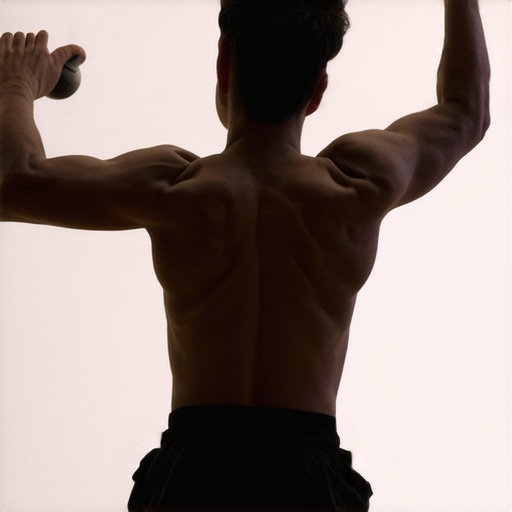
How do I stay balanced when I’m stuck at a desk all day?
Maintenance happens in the micro-moments. I’ve integrated what I call ‘posture snacks’ throughout my day. Every time I finish a phone call, I do a quick check of my pelvis. According to a study in the Journal of Bodywork and Movement Therapies, the ‘Hip-Spine Syndrome’ describes a clinical overlap where hip osteoarthritis and lumbar spinal stenosis masquerade as one another. To prevent this, I focus on strategic chiropractic solutions for long-term back health that emphasize joint centration. This means keeping the ‘ball’ of your hip joint perfectly centered in the ‘socket’ during every movement. It sounds technical, but it’s really about essential tips for managing back pain through healthy lifestyle choices, like not crossing your legs for four hours straight at a desk.
The future of gait analysis is living in your socks
I predict that in the next five years, we won’t need to look at the wear patterns on our shoes to know our hips are out of alignment. We are already seeing the rise of smart insoles and wearable sensors that provide real-time biofeedback to your smartphone. Imagine getting a vibration on your wrist the moment your gait starts to shift because your hip is hiking—that’s where we are headed. This technology will allow us to unlock back pain relief with expert chiropractic adjustments that are guided by data rather than just feel. Until then, stay diligent with your self-assessments. If you want to see an immediate change, I challenge you to try that lacrosse ball drill for your thoracic spine tonight and see if your hips feel ‘lighter’ during your walk tomorrow. Don’t wait for the pain to return to take action.
Three Hard Truths About Living in a Lopsided Body
I’ve spent thousands of hours analyzing movement, and if there’s one thing I’ve learned, it’s that your body never lies to you. First, tightness is rarely the enemy; it’s usually a protective signal that your brain is trying to stabilize a joint it doesn’t trust. If you keep stretching that ‘tight’ hip without fixing the underlying alignment, you’re just taking the batteries out of a smoke detector while the fire is still burning. Second, you cannot outsource your health to a pair of insoles. I’ve seen many athletes wonder how to know if your orthotics are making your feet weaker because they used them as a permanent crutch instead of a temporary fix. Finally, don’t ignore the ‘quiet’ side of your body. Often, the hip that doesn’t hurt is the one causing the problem because it’s too stiff to move, forcing the opposite side to do double duty.
The High-Performance Toolkit for Your Hips
Consistency is more valuable than intensity when it comes to structural health. I recommend three specific things to keep your kinetic chain from breaking down. First, master your diaphragm. It sounds strange, but how your breathing mechanics are sabotaging your core strength is often the missing link in pelvic stability. Second, keep a set of mini-bands in your gym bag. Ten reps of monster walks during a lunch break can prevent that ‘hip hike’ from returning by waking up your glutes. Third, learn the language of your nervous system. You need to be able to how to tell the difference between muscle soreness and a real injury so you know when to push through a workout and when to seek a professional adjustment. #IMAGE_PLACE_HOLDER_E#
Reclaiming the Movement You Thought Was Gone
It’s easy to feel like your body is just ‘getting old,’ but more often than not, you’re just dealing with a backlog of mechanical errors that haven’t been cleared. When you finally decide to revolutionize your rehab with chiropractic techniques, you aren’t just fixing a single symptom; you are restoring the original blueprint of how you were meant to move. Your shoes will stop wearing out unevenly, your ‘clicky’ hip will find its rhythm again, and you can get back to the activities you love without that nagging fear of a flare-up. You deserve to move with confidence, not caution. Have you looked at the bottom of your favorite sneakers today? What did the wear pattern tell you about your own hip alignment? Let me know in the comments below.